CM Majhi: Cyclone Shelters Stocked With Food, Water For All

Synopsis
Odisha Chief Minister Mohan Charan Majhi declared on October 30, 2026, that cyclone shelter residents are being provided food, drinking water, and full assistance, calling the safety of people the government's 'highest resolve' during the active weather emergency.
Key Takeaways
Odisha CM Mohan Charan Majhi posted a public assurance on October 30, 2026 during an active cyclone event.
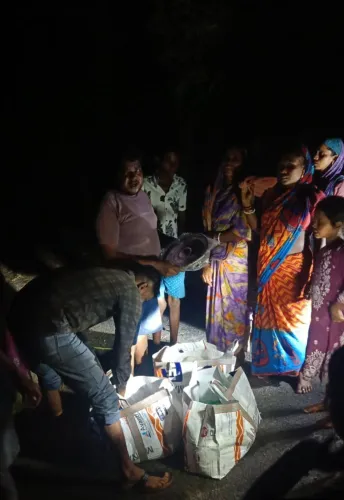
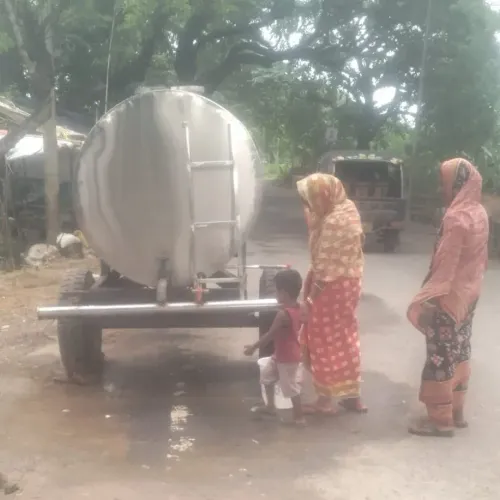
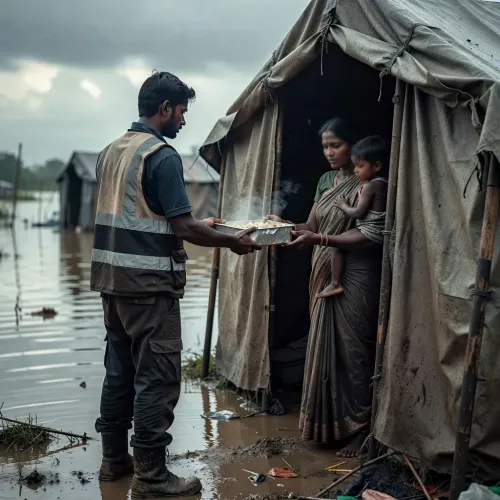
Every person in a cyclone shelter is being provided food, drinking water, and essential support, per Majhi.
Odisha's shelter network was built up after the 1999 super cyclone and expanded significantly after Cyclone Fani (2019) .
The Odisha State Disaster Management Authority (OSDMA) manages hundreds of multi-purpose cyclone shelters along the coast.
CM Majhi framed public safety not as routine administration but as the government's 'highest resolve' — a direct, personal commitment.
Post-cyclone damage assessment and rehabilitation planning are expected as the immediate emergency passes.
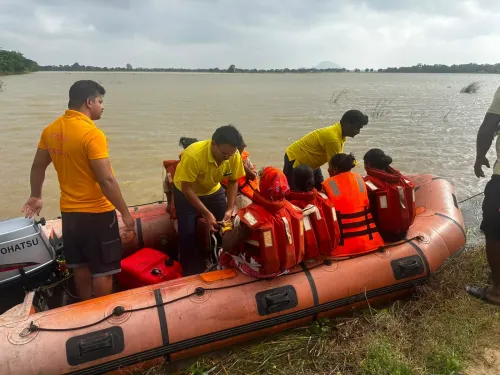
With a cyclone bearing down on Odisha's coast, Chief Minister Mohan Charan Majhi assured citizens on Friday, October 30, 2026 that every person sheltering in a cyclone relief centre is being provided food, drinking water, and all essential assistance — and that being with the people through this crisis is the government's highest resolve.
Posting in Odia on X, CM Majhi wrote: 'ଏହି ସମୟରେ ଲୋକଙ୍କ ସହ ରହିବା ଓ ସେମାନଙ୍କ ସୁରକ୍ଷା ସୁନିଶ୍ଚିତ କରିବା ଆମର ସର୍ବୋଚ୍ଚ ସଂକଳ୍ପ' — 'Being with the people at this time and ensuring their safety is our highest resolve.' The message signals an active, visible administration at a moment when Odisha's coastal communities are most vulnerable.Shelter Network Holding the Line
Odisha runs one of India's most extensive cyclone shelter networks, built up after the catastrophic 1999 super cyclone killed nearly 10,000 people. The Odisha State Disaster Management Authority (OSDMA) oversees hundreds of multi-purpose cyclone shelters along the coast — reinforced structures designed to house evacuees with provisions for days at a stretch. CM Majhi's post confirms those provisions are flowing: food, potable water, and 'all necessary support' for every evacuee.
The benchmark for shelter-based relief in modern Odisha is Cyclone Fani (2019), when roughly 1.2 million people were evacuated within 48 hours — an operation widely recognised as a global model for disaster preparedness. Successive governments have invested in expanding and maintaining that infrastructure, and the current BJP-led administration under Majhi, which took office in June 2024, has continued that institutional continuity.
Real-Time Assurance, Not Just Administration
What sets this post apart from routine official communication is its tone of direct, personal accountability. Majhi does not simply announce a government response — he frames it as a sankalp (resolve), a word that carries moral weight in Odia public life. For coastal communities who have lived through cyclones that left trail of devastation, a chief minister's visible presence on social media during an active weather event is itself a form of reassurance.
The state has also historically used real-time public communication during cyclones to counter rumour and panic — keeping residents informed about shelter locations, relief availability, and when it is safe to return home. Majhi's message fits squarely into that established playbook.
Damage assessments and rehabilitation planning will follow once the cyclone passes — the harder, slower work of recovery. But tonight, the priority is exactly what the Chief Minister says it is: every person in a shelter, fed and safe.
Point of View
He signals political ownership of the response, which matters in a state where disaster management has historically been a key measure of governance quality. For a BJP administration that came to power in June 2024 — inheriting a disaster infrastructure built largely under the previous government — demonstrating operational continuity and visible leadership during a cyclone is both a policy imperative and a political statement. The quality and speed of post-cyclone rehabilitation will be the real test of that promise.
NationPress
30 Oct 2026
Frequently Asked Questions
What did Odisha CM Mohan Majhi say about cyclone shelters?
CM Mohan Charan Majhi stated on October 30, 2026 that every person in a cyclone shelter is being provided food, drinking water, and all essential assistance, calling the people's safety the government's highest resolve.
How many cyclone shelters does Odisha have?
Odisha operates hundreds of multi-purpose cyclone shelters along its coastline, built and expanded by the Odisha State Disaster Management Authority (OSDMA) following the 1999 super cyclone and subsequent major storms like Cyclone Fani in 2019.
What was Cyclone Fani and how did Odisha respond?
Cyclone Fani struck Odisha in 2019 and triggered one of India's largest-ever peacetime evacuations, with roughly 1.2 million people moved to shelters within 48 hours — a response recognised globally as a disaster management benchmark.
Who is Mohan Charan Majhi?
Mohan Charan Majhi is the Chief Minister of Odisha and a BJP leader who took office in June 2024 after the state assembly elections ended the previous government's long run.
What happens after a cyclone in Odisha — relief and rehabilitation?
Once a cyclone passes, Odisha typically conducts rapid damage assessments followed by rehabilitation programmes covering housing, agriculture, and infrastructure, coordinated through OSDMA and state government departments.