Odisha CM Majhi orders extended food relief for flood-hit residents
Synopsis
Chief Minister Mohan Charan Majhi has directed all Odisha government departments to accelerate flood relief, extending cooked-food distribution periods and ensuring drinking water, medical services, and safety at shelters so no affected family faces food shortage.
Key Takeaways
CM Mohan Charan Majhi issued special directions on 29 July 2026 to accelerate flood relief across Odisha.
The government has ordered an extension of cooked-food distribution in flood-affected zones to prevent food insecurity.
All state departments have been placed on full operational readiness at the ground level.
Flood shelters are to be equipped with drinking water, medical services, and safety provisions.
The government has committed to reaching every affected family with relief assistance.
Further steps — damage assessment and ex-gratia payments — are expected once floodwaters recede.
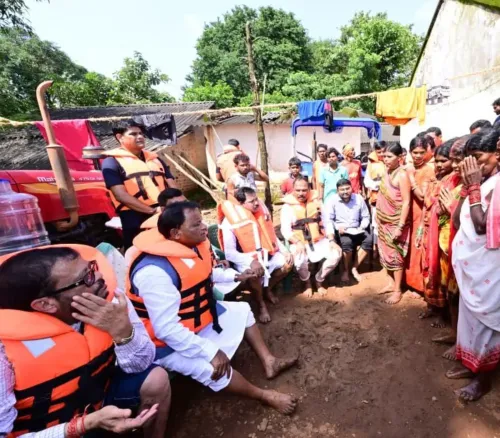
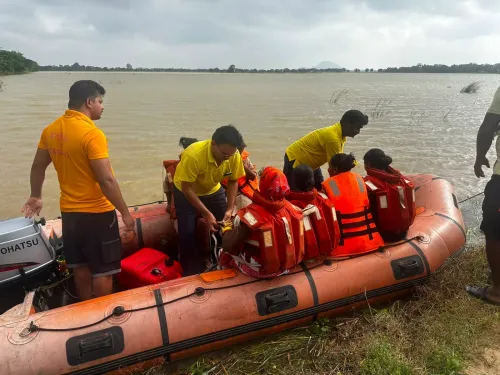
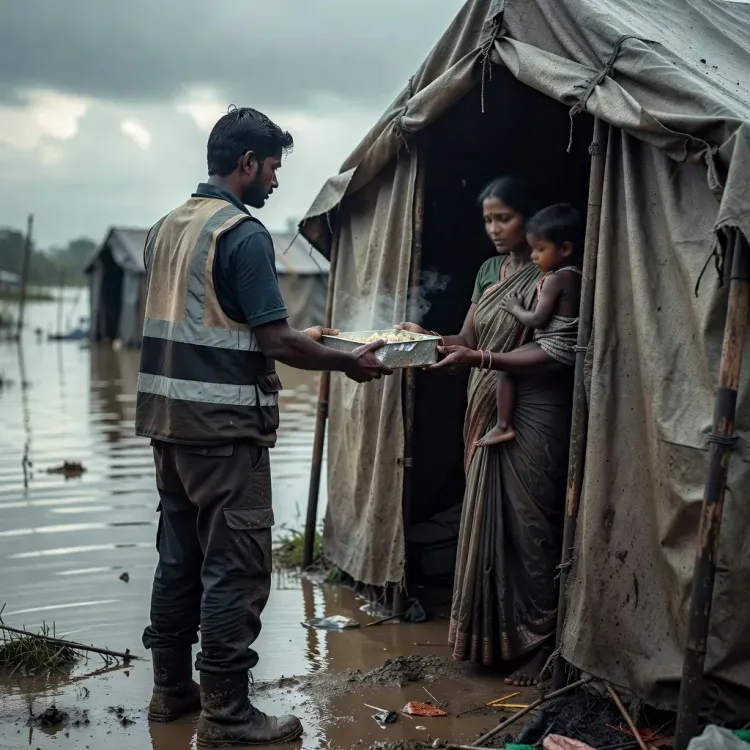
No flood-affected family in Odisha will go hungry — that is the direct order Chief Minister Mohan Charan Majhi has issued as rising waters continue to displace communities across the state. The Chief Minister's Office of Odisha confirmed on Wednesday, 29 July 2026 that Majhi has directed all concerned departments to accelerate relief operations and, critically, to extend the duration of cooked-food distribution in flood-affected zones.
The directive: cooked meals, clean water, medical cover
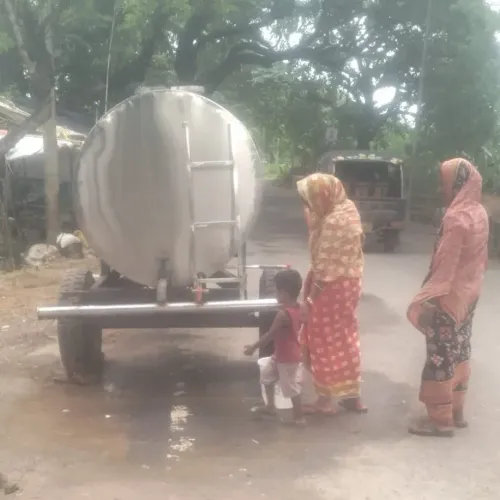
The CM's office stated that special instructions have been issued to ensure no affected person faces food shortage in inundated areas. Beyond food, the government has committed to guaranteeing drinking water, medical services, and safety at every flood shelter across the state. The order signals a shift from passive standby to active, ground-level delivery — every department has been told to operate at full readiness at the site of impact.
The Odia-language post from the CMO put it plainly: 'ପ୍ରତିଟି ପ୍ରଭାବିତ ପରିବାର ନିକଟରେ ସହାୟତା ପହଞ୍ଚାଇବା ପାଇଁ ସରକାର ପ୍ରତିଶ୍ରୁତିବଦ୍ଧ' — 'the government is committed to reaching every affected family.'
Odisha's monsoon flood cycle and the Mahanadi factor
Odisha's vulnerability to annual flooding is structural. The Mahanadi river system and its tributaries swell predictably each monsoon, inundating low-lying districts and forcing thousands into relief camps. Successive state governments have maintained standing protocols — cooked-food kitchens, shelter management, district-level command structures — precisely because the crisis recurs. What changes each year is the scale and the speed of response.
CM Majhi's intervention follows that established pattern, but the explicit instruction to extend the cooked-food provision period suggests the current flood situation is assessed as prolonged rather than a short-duration event. That detail matters: it is the difference between a two-day relief kitchen and a sustained feeding operation for displaced families who cannot return home.
What comes next for affected families
The immediate priority is shelter and sustenance. Once waters recede, the focus will shift to damage assessment and ex-gratia payments to affected households — the next test of whether the state's relief machinery converts ground-zero urgency into lasting support. For now, the government's message is unambiguous: the administration is at 'ground zero,' and no family should be left waiting.
Point of View
Not a short-duration emergency. For a BJP government in Odisha that came to power in 2024 partly on promises of improved governance, visible, proactive disaster response is also political currency. The real test, however, will come after the waters recede: whether the state's relief machinery translates ground-zero urgency into timely ex-gratia payments and structural rehabilitation for the most vulnerable households.
NationPress
28 Oct 2026
Frequently Asked Questions
What has Odisha CM Mohan Majhi ordered for flood relief?
CM Mohan Charan Majhi has directed all concerned state departments to accelerate flood relief operations, with special instructions to extend the duration of cooked-food distribution so that no flood-affected person faces food shortage.
Which areas of Odisha are affected by floods in 2026?
The CMO post refers to flooding across 'various regions' of the state. Specific affected districts have not been officially confirmed in this announcement.
What facilities are being provided at Odisha flood shelters?
The state government has committed to ensuring drinking water, medical services, and safety at all flood shelters, in addition to cooked-food distribution for displaced families.
Why does Odisha flood every monsoon season?
Odisha is highly flood-prone due to the Mahanadi river system and its tributaries, which swell significantly during the monsoon, inundating low-lying districts and displacing communities annually.
What relief comes after Odisha flood waters recede?
Once floodwaters recede, the standard next steps include damage assessment and ex-gratia payments to affected families — measures the state government is expected to announce in subsequent updates.