CM Fadnavis Chairs Pune Urban Transport Committee Meet
Synopsis
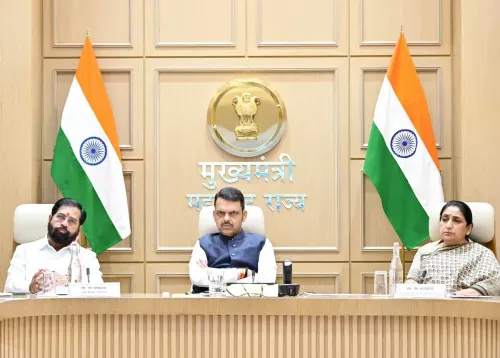
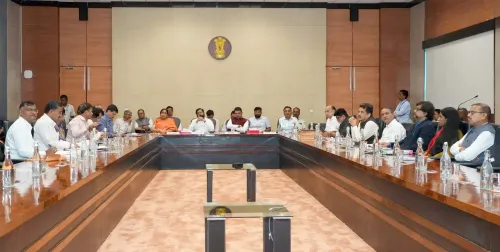
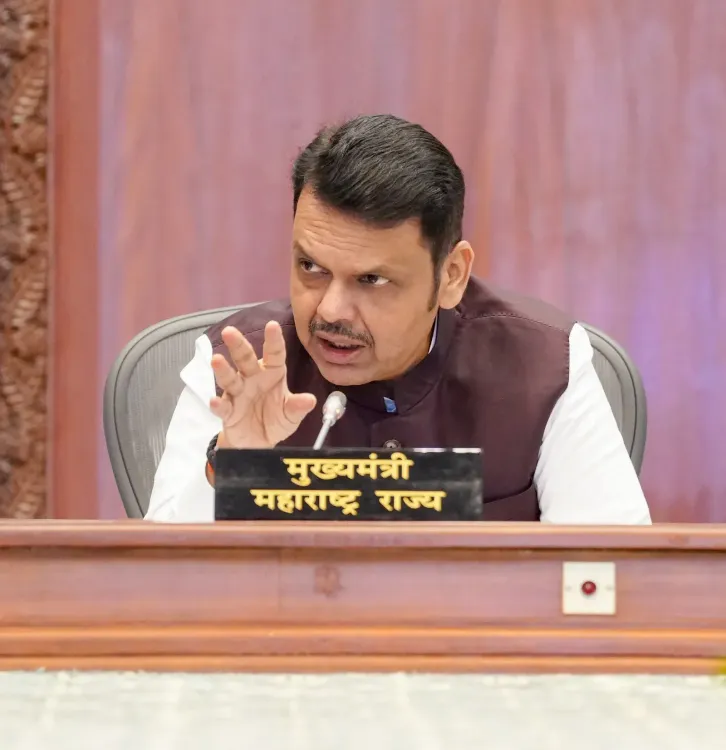
Chief Minister Devendra Fadnavis chaired a high-powered committee meeting at Sahyadri Guest House on 27 July 2026 to oversee planning, funding and implementation of major urban transport projects in Pune, with both Deputy CMs and senior officials present.
Key Takeaways
CM Devendra Fadnavis chaired the high-powered committee meeting on 27 July 2026 at Sahyadri Guest House, Mumbai at 2:15 PM .
The committee is mandated for planning, financial management, implementation and monitoring of major urban transport projects in Pune .
Deputy CM Eknath Shinde , Deputy CM Sunetra Ajit Pawar and MoS Madhuri Misal were present alongside senior officials.
The Pune Metro Rail project, which entered construction phases from 2018-2019 , is among the flagship initiatives under the committee's purview.
The meeting reflects Maharashtra's consistent approach of using high-level oversight bodies to coordinate metro, road and multimodal projects in fast-growing cities.
Next steps include potential announcements on funding releases and revised timelines for Pune Metro corridors.
The Chief Minister's Office of Maharashtra announced on Monday, 27 July 2026 that Chief Minister Devendra Fadnavis chaired a meeting of the high-powered committee constituted for the planning, financial management, implementation and monitoring of major urban transport projects in Pune. The meeting was held at 2:15 PM at Sahyadri Guest House, Mumbai.
Context
The high-powered committee brings together the state's top executive leadership to provide unified oversight over Pune's major urban mobility infrastructure. Present at the meeting were Deputy Chief Minister Eknath Shinde, Deputy Chief Minister Sunetra Ajit Pawar, Minister of State Madhuri Misal, and senior officials from relevant departments. The CMO's post, issued in English, Marathi and Hindi, described the body as being constituted for 'planning, financial management, implementation and monitoring' of these projects.
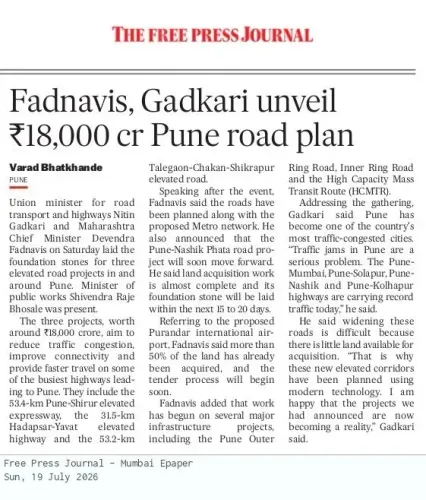
Pune, Maharashtra's second-largest city, has been grappling with acute urban mobility pressures driven by its rapid expansion as a hub for information technology, manufacturing and higher education. Coordinating multiple large-scale infrastructure projects across agencies has historically required dedicated oversight mechanisms at the highest levels of state government.
Policy Backdrop
The Pune Metro Rail project received central government approval and moved into active construction phases beginning in 2018-2019, making it one of the flagship urban transport initiatives in Maharashtra. Maharashtra governments have repeatedly constituted oversight committees to coordinate planning and funding for urban transport in fast-growing cities, reflecting a consistent state-level push to integrate metro, road and multimodal projects under unified monitoring.
Such mechanisms align with national urban schemes that channel central funds to state capitals and tier-2 cities. CM Fadnavis, who has served multiple terms as Chief Minister with a stated emphasis on infrastructure and urban development, has positioned these committees as tools to accelerate project delivery and ensure financial accountability.
Stakeholders and Impact
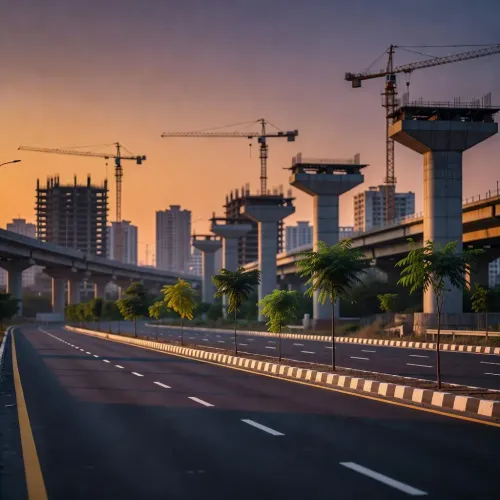
Pune's commuters stand as the primary beneficiaries of any progress emerging from this committee's deliberations. The city's road network faces severe congestion, and the expansion of metro corridors and associated multimodal infrastructure is widely seen as essential to easing daily mobility for millions of residents.
The presence of both Deputy Chief Ministers — Eknath Shinde and Sunetra Ajit Pawar — alongside MoS Madhuri Misal signals that the Maharashtra Mahayuti coalition is treating Pune's urban transport agenda as a shared political and administrative priority, not merely a departmental matter. Senior officials in attendance would typically include representatives from the urban development, finance and public works departments.
What's Next
Observers will watch for announcements on funding releases, revised timelines for ongoing Pune Metro corridors, and any decisions on new road or multimodal projects that may emerge from the committee's deliberations. The outcomes could also surface in forthcoming state budget sessions or legislative assembly discussions on urban infrastructure allocations.
With Pune's population and economic footprint continuing to grow, the frequency and outcomes of such high-level committee meetings will be a key indicator of how aggressively the Maharashtra government intends to push urban mobility reform in the state's interior cities.
Point of View
Who has built much of his political identity around infrastructure delivery, visible movement on Pune Metro and allied projects ahead of future electoral cycles carries clear strategic value. The trilingual CMO communication — in English, Marathi and Hindi — also reflects a deliberate outreach to Pune's diverse, educated electorate. Whether the committee translates into accelerated ground-level progress or remains a coordination ritual will be the metric by which urban voters ultimately judge the exercise.
NationPress
26 Oct 2026
Frequently Asked Questions
What is the high-powered committee for Pune urban transport?
It is a committee constituted by the Maharashtra government for the planning, financial management, implementation and monitoring of major urban transport projects in Pune, chaired by Chief Minister Devendra Fadnavis.
Who attended the Pune transport committee meeting on 27 July 2026?
Chief Minister Devendra Fadnavis chaired the meeting. Deputy Chief Ministers Eknath Shinde and Sunetra Ajit Pawar, Minister of State Madhuri Misal, and senior officials were also present.
Where was the Pune urban transport committee meeting held?
The meeting was held at Sahyadri Guest House in Mumbai at 2:15 PM on 27 July 2026.
What is the current status of the Pune Metro Rail project?
The Pune Metro Rail project received central government approval and entered active construction phases beginning in 2018-2019. It is one of the flagship urban transport initiatives under the Maharashtra government's oversight.
Why does Pune need a high-powered urban transport committee?
Pune is Maharashtra's second-largest city facing acute mobility pressures due to rapid growth in IT, manufacturing and education sectors. A high-level committee helps coordinate funding and implementation across multiple agencies for metro, road and multimodal projects.