CM Rekha Gupta Intensifies Delhi's Winter Pollution Crackdown
Synopsis
Delhi CM Rekha Gupta chaired a high-level pollution review at the Integrated Command and Control Centre on 18 November 2026, directing intensified enforcement against road dust, construction emissions and vehicular smoke, days after the Cabinet approved ₹5 crore to modernise PUC testing infrastructure.
Key Takeaways
CM Rekha Gupta held a high-level multi-department meeting at the Integrated Command and Control Centre on 18 November 2026 to accelerate Delhi's anti-pollution drive.
Directives cover all three major local pollution sources: road dust, construction-site emissions, and vehicular exhaust , with orders for immediate action against violators.
The Delhi Cabinet approved ₹5 crore to modernise Pollution Under Control (PUC) testing centres across the capital the day before the meeting.
Cabinet ministers Manjinder Singh Sirsa and Dr.
Pankaj Kumar Singh attended the review alongside senior departmental officials.
Delhi has run annual Winter Action Plans since 2017 , operating under the CAQM framework constituted by Parliament in 2020 .
The rollout timeline of the PUC modernisation funds and the pace of on-ground enforcement will be the key indicators to track in the coming weeks.
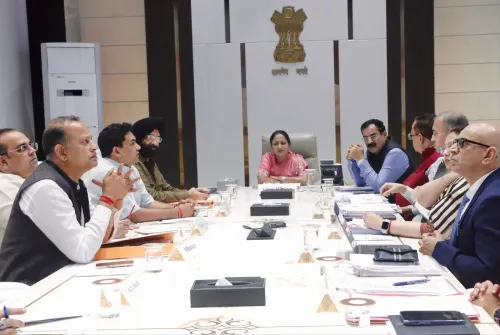
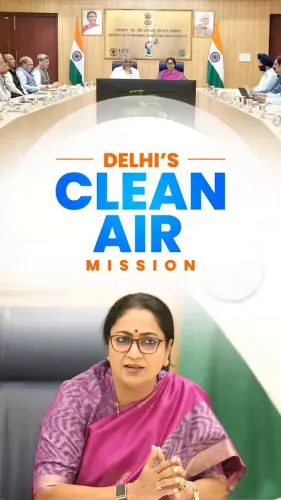
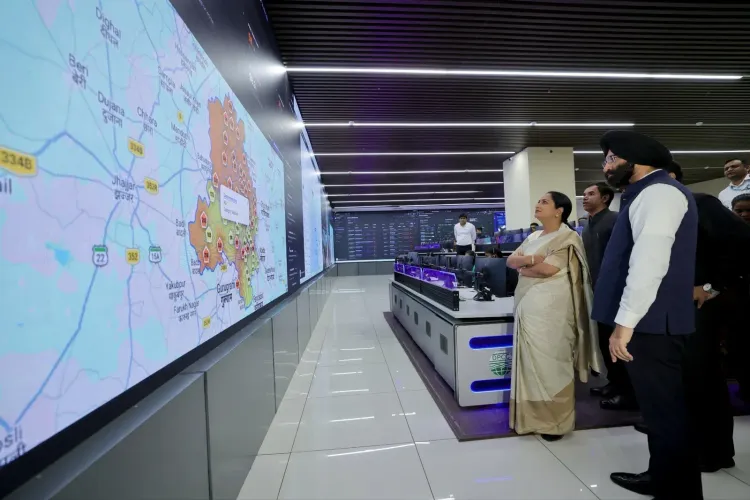
With winter smog tightening its grip on the capital, Delhi Chief Minister Rekha Gupta convened a high-level multi-department review at the Integrated Command and Control Centre on Wednesday, 18 November 2026, issuing sharp directives to accelerate enforcement against road dust, construction emissions, and vehicular smoke — and warning that violators will face immediate action.
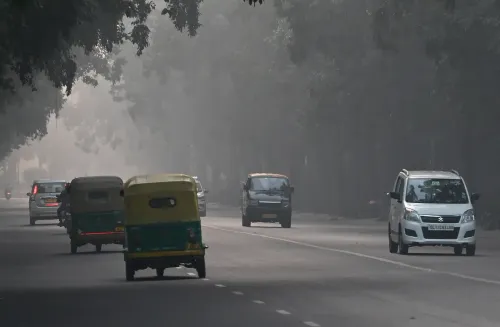
Posting on X in Hindi, the Chief Minister declared: 'दिल्ली में प्रदूषण के खिलाफ हमारी लड़ाई पूरी ताकत से जारी है। अब कार्रवाई और तेज होगी.' ('Our fight against pollution in Delhi is continuing with full force. Now the action will be even sharper.') The directive covers every major ground-level pollution source — dusty arterial roads, active construction sites, and the kilometres-long exhaust trails of the city's ageing vehicle fleet.
₹5 Crore Cabinet Nod to Modernise PUC Centres
One day before the meeting, the Delhi Cabinet approved ₹5 crore to upgrade Pollution Under Control (PUC) testing centres across the city. PUC checks are the first line of defence against vehicle emissions — if the testing infrastructure is outdated, the entire enforcement chain downstream is compromised. The funding is meant to close that gap before peak winter pollution months arrive in earnest.
Cabinet colleagues Manjinder Singh Sirsa and Dr. Pankaj Kumar Singh, along with senior officials from all relevant departments, were present at the review. The Chief Minister was unambiguous: surveillance at every level will be intensified and there will be no slack in enforcement speed.
Delhi's Perennial Winter Battle — and Why This Year's Playbook Matters
Delhi's winter pollution crisis is not a surprise — it is a calendar event. Every year, a combination of local sources and regional stubble burning conspires to push the city's air quality into the 'severe' and 'hazardous' bands. Since 2017, successive administrations have run annual Winter Action Plans, activating the Graded Response Action Plan (GRAP) stages as air quality deteriorates. The Commission for Air Quality Management (CAQM), constituted by Parliament in 2020, now provides the overarching coordination architecture for Delhi-NCR.
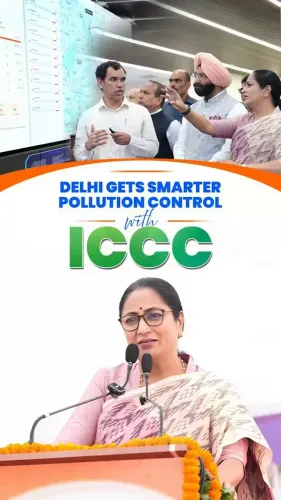
What the Gupta government is adding to this established playbook is a sharper institutional focus through the Integrated Command and Control Centre — a facility built for real-time monitoring of civic parameters — and the signal that enforcement, not just monitoring, is the priority this season. 'Neither the pace of work will slow down, nor will any laxity be allowed in action,' the Chief Minister stated.
What to Watch: Funds, Enforcement Numbers, and the GRAP Escalation Ladder
The immediate test is the rollout of the ₹5 crore PUC modernisation fund — how quickly new equipment reaches testing centres will determine whether vehicle emission checks become a genuine deterrent or remain a bureaucratic formality. Beyond that, the speed and scale of on-ground enforcement actions — fines issued, construction sites sealed, polluting vehicles impounded — will be the real metric of whether this week's directives translate into cleaner air before December deepens the inversion layer over the capital.
Delhi's air is a political as much as an environmental story. The Chief Minister's choice to anchor this push publicly, with named ministers and a concrete budget figure, sets a visible accountability benchmark — one that the city's residents, and its monitors, will hold her to.
Point of View
Rekha Gupta is converting what previous governments often framed as a seasonal crisis into a governance deliverable with visible accountability markers. The move also reflects a broader BJP strategy to demonstrate administrative competence in Delhi after years in opposition, with air quality serving as a tangible, citizen-felt benchmark. The real test, however, lies downstream: Delhi's Winter Action Plans have existed since 2017 and CAQM since 2020, yet the city regularly records hazardous air quality levels in November and December. Whether this iteration breaks that cycle will depend less on the meeting's optics and more on the speed and consistency of ground-level enforcement over the next six to eight weeks.
NationPress
18 Nov 2026
Frequently Asked Questions
What action did Delhi CM Rekha Gupta take on pollution on 18 November 2026?
CM Rekha Gupta chaired a high-level review meeting at Delhi's Integrated Command and Control Centre on 18 November 2026, directing all departments to intensify surveillance and take immediate action against road dust, construction-site pollution, and vehicular emissions.
How much money has the Delhi Cabinet approved for PUC centres?
The Delhi Cabinet approved ₹5 crore to modernise Pollution Under Control (PUC) testing centres across the city, a move aimed at strengthening vehicle emissions enforcement ahead of peak winter pollution.
What is the Integrated Command and Control Centre in Delhi?
The Integrated Command and Control Centre is a Delhi government facility used for real-time monitoring of civic services and pollution parameters, and serves as a hub for coordinating multi-department responses.
What is CAQM and what role does it play in Delhi's pollution control?
The Commission for Air Quality Management (CAQM) was constituted by Parliament in 2020 to coordinate pollution control across Delhi and the NCR region, providing the overarching framework within which state governments run their Winter Action Plans.
Which ministers attended the Delhi pollution review meeting?
Cabinet ministers Manjinder Singh Sirsa and Dr. Pankaj Kumar Singh, along with senior officials from all relevant departments, were present at the pollution review meeting chaired by CM Rekha Gupta.