CM Rekha Gupta Deploys 30 EV Sweepers, IIT Delhi Air Monitor
Synopsis
Delhi CM Rekha Gupta's cabinet approved 30 EV mechanical road-sweepers to clean 854 roads across 250 wards and commissioned IIT Delhi to run 24x7 real-time PM2.5 and PM10 source-attribution monitoring — framing both moves as year-round, science-led pollution management.
Key Takeaways
30 EV mechanical road-sweeping machines will be deployed on 854 roads across 250 wards to tackle dust-based particulate pollution.
IIT Delhi will operate round-the-clock real-time monitoring of both PM2.5 and PM10 levels to enable source-specific enforcement.
The cabinet decisions were announced by Delhi Chief Minister Rekha Gupta on 29 September 2026 .
The EV specification of the sweepers eliminates the irony of diesel-powered machines adding emissions while cleaning roads.
The government explicitly frames the effort as 365-day, 24x7 management — departing from the historically reactive, season-only approach.
Rollout timelines and integration of IIT Delhi data into live enforcement remain the key metrics to watch as winter approaches.
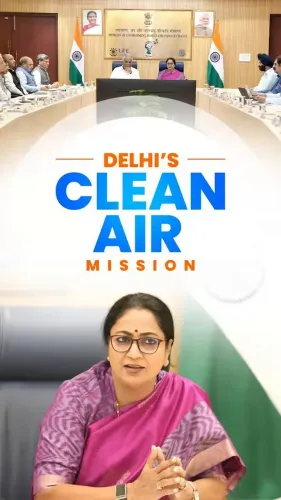
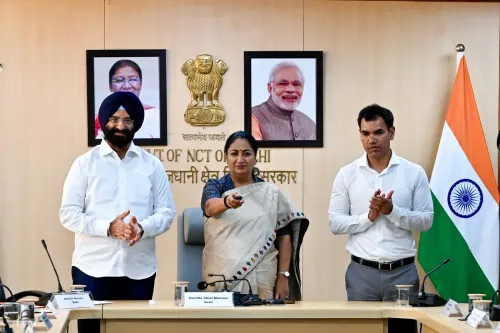
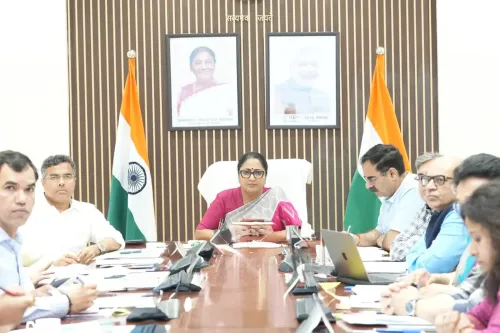
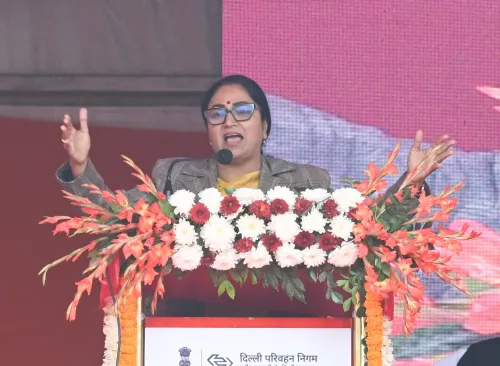
Delhi's war on dust just got a hardware upgrade. Delhi Chief Minister Rekha Gupta announced on Tuesday, 29 September 2026 that her cabinet has cleared two concrete anti-pollution moves — electric road-sweeping machines and a round-the-clock air-quality monitoring network — aimed at attacking the capital's particulate problem at its source, not just its symptoms.
In a post on X, the Chief Minister wrote: 'आज कैबिनेट की बैठक में दिल्ली में प्रदूषण नियंत्रण के लिए दो महत्वपूर्ण फैसले लिए गए हैं' ('Today's cabinet meeting took two important decisions for pollution control in Delhi'). The announcements come weeks before the onset of Delhi's worst pollution season, when stagnant air, crop stubble fires, and construction dust routinely push air quality into the 'severe' category.
30 EV Sweepers Across 854 Roads in 250 Wards
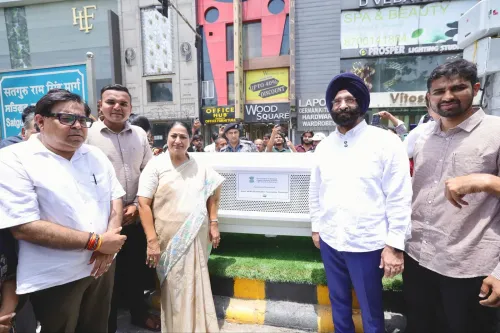
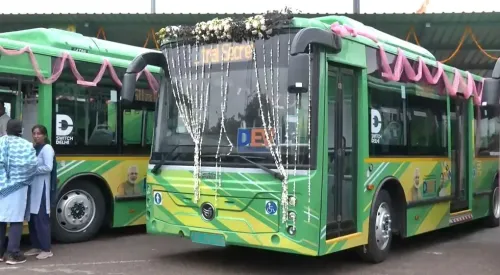
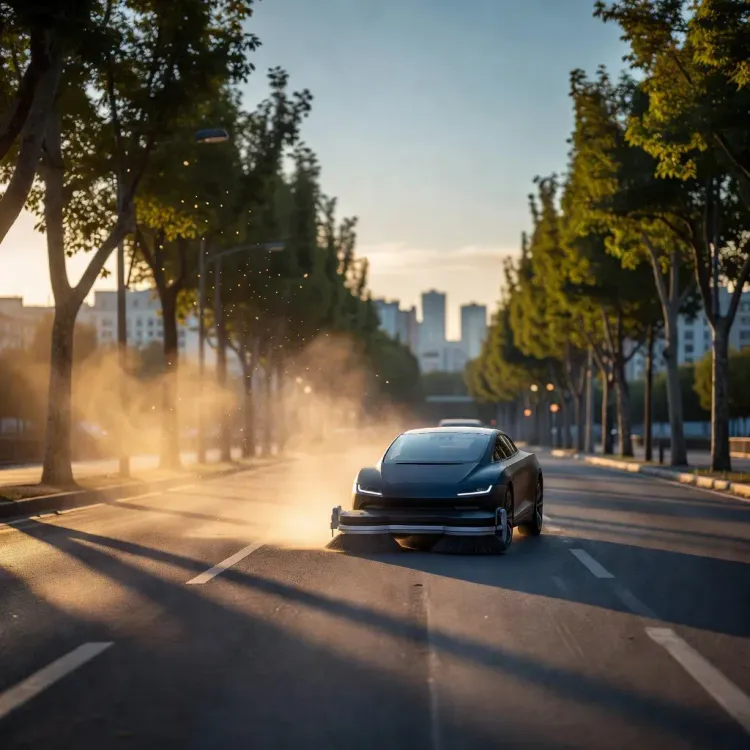
The first decision deploys 30 electric mechanical road-sweeping machines specifically targeting the smaller arterial and residential roads where conventional, larger sweepers cannot manoeuvre. The fleet will service 854 roads across 250 wards — effectively blanketing Delhi's neighbourhood-level street grid. Road dust is consistently identified as one of the dominant contributors to the capital's PM10 load, and mechanical sweeping with water suppression is among the fastest interventions available.
The EV specification matters beyond optics: diesel-powered sweepers running for hours would themselves add to the pollution they are meant to reduce. Electric machines eliminate that contradiction and align with the city's wider push to electrify its fleet.
IIT Delhi to Run 24x7 PM2.5 and PM10 Surveillance
The second — and arguably more consequential — decision partners the government with IIT Delhi to operate real-time, round-the-clock monitoring of both PM2.5 and PM10 particulate levels. The stated goal is granular source attribution: knowing not just how bad the air is, but precisely where the pollution is originating and in what volume, so enforcement can target the source rather than applying blanket restrictions citywide.
That source-attribution ambition is significant. Delhi has historically struggled to distinguish the relative contributions of road dust, construction sites, vehicle tailpipes, industrial emissions, and cross-border stubble smoke. Real-time data tied to a credible academic institution gives enforcement agencies an evidence base that is harder to dispute and faster to act on than periodic manual sampling.
Where This Fits Delhi's Long Pollution Battle
Delhi governments have cycled through decades of anti-pollution measures — from the odd-even vehicle rationing experiment of 2016 to the Graded Response Action Plan (GRAP), which has governed seasonal emergency restrictions since 2017. Both were reactive: triggered when pollution crossed a threshold. The Rekha Gupta cabinet's framing is deliberately year-round — '365 दिन 24x7' ('365 days, 24x7') — signalling a shift toward continuous management rather than crisis-mode response.
The critical test will be execution. Deploying 30 sweepers across a city of 250 wards requires a maintenance ecosystem, a scheduling protocol, and accountability structures that outlast the cabinet announcement. Similarly, IIT Delhi's monitoring data will only translate into cleaner air if the enforcement chain — from sensor reading to field action — is swift and consistent. Both rollout timelines bear watching as the winter pollution cycle approaches.
Delhi's lungs have heard promises before. This time, the government has named the machines, the roads, the institute, and the target pollutants — the specificity alone sets a measurable bar.
Point of View
Data-driven pollution management can break Delhi's entrenched cycle of winter-crisis-then-amnesia. Partnering with IIT Delhi signals an attempt to insulate enforcement decisions from political contestation by anchoring them in institutional data. The EV sweeper choice also threads a needle — addressing dust while avoiding the optics of diesel-powered anti-pollution machinery. The real test of intent will be whether the IIT monitoring data is made publicly accessible and whether ward-level sweeper deployment is tracked transparently, since both would convert a cabinet decision into accountable governance.
NationPress
29 Sept 2026
Frequently Asked Questions
What did Delhi CM Rekha Gupta announce for pollution control?
CM Rekha Gupta announced two cabinet-approved decisions: deployment of 30 electric mechanical road-sweeping machines across 854 roads in 250 Delhi wards, and a 24x7 real-time PM2.5 and PM10 monitoring system to be run in collaboration with IIT Delhi.
How many roads will the new EV sweepers cover in Delhi?
The 30 EV mechanical road-sweeping machines will cover 854 roads spread across 250 wards, targeting smaller neighbourhood roads where larger sweepers cannot operate.
What is IIT Delhi's role in Delhi's pollution monitoring?
IIT Delhi will partner with the Delhi government to operate continuous, round-the-clock monitoring of PM2.5 and PM10 particulate levels, with a focus on identifying pollution sources so that targeted enforcement action can be taken.
Why are EV sweepers better than regular road-sweeping machines for pollution?
Electric sweepers produce zero direct tailpipe emissions, unlike diesel-powered machines. Using EVs means the vehicles cleaning road dust do not themselves contribute to the air pollution they are meant to reduce.
What is the Graded Response Action Plan (GRAP) and how is this different?
GRAP, operational since 2017, is a set of emergency restrictions triggered when Delhi's air quality crosses specific thresholds — it is reactive and seasonal. The Rekha Gupta government's approach explicitly targets year-round, 365-day continuous action rather than crisis-mode responses alone.