CM Bhupendra Patel begins 3-day tribal outreach in Dahod's Garbada
Synopsis
Gujarat CM Bhupendra Patel kicked off a three-day grassroots tour of Garbada villages in Dahod district on 18 November 2026, paying tribute to Birsa Munda and engaging directly with Adivasi families to review development works and hear community concerns.
Key Takeaways
CM Bhupendra Patel launched a three-day tour of Garbada taluka, Dahod district on 18 November 2026 .
The tour focuses on direct dialogue with Adivasi families , review of development works, and experiencing rural life first-hand.
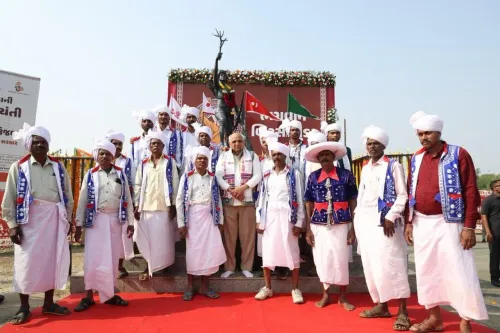
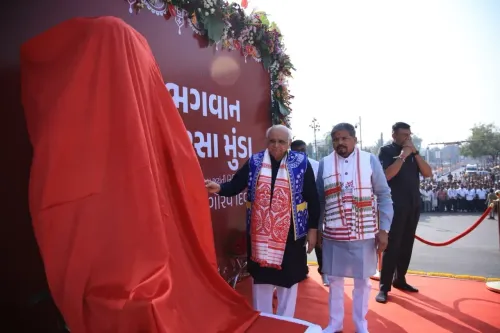
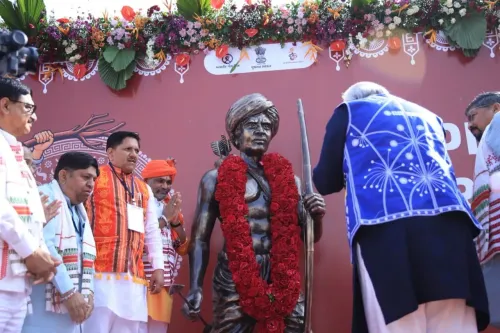
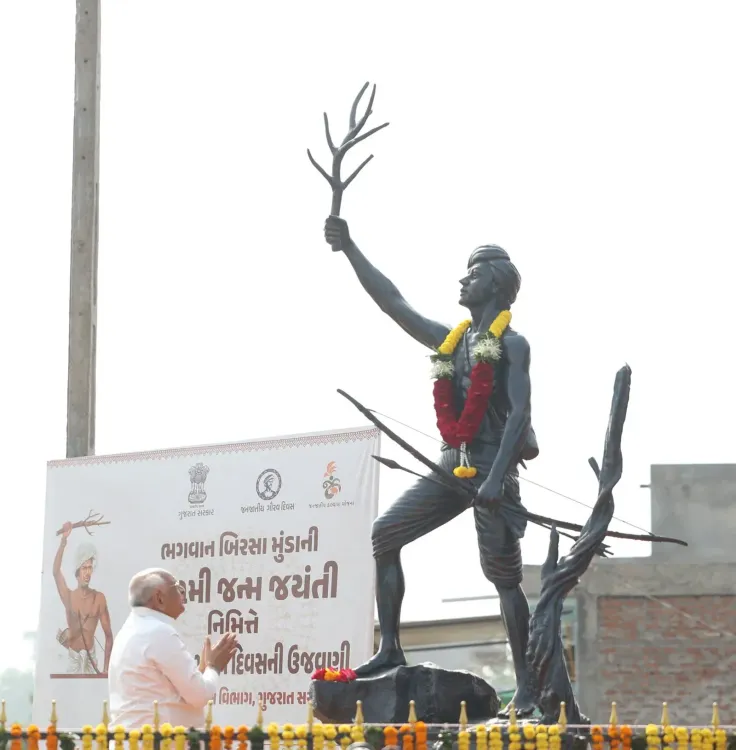
Patel began the visit with a floral tribute to the statue of Birsa Munda — the 19th-century tribal freedom fighter — at Garbada.
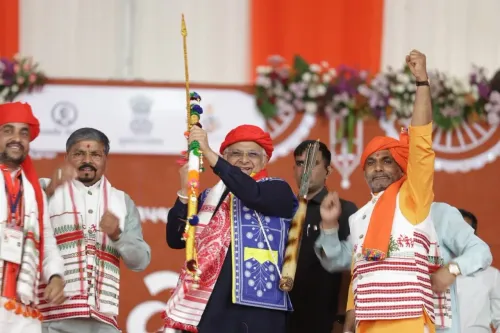
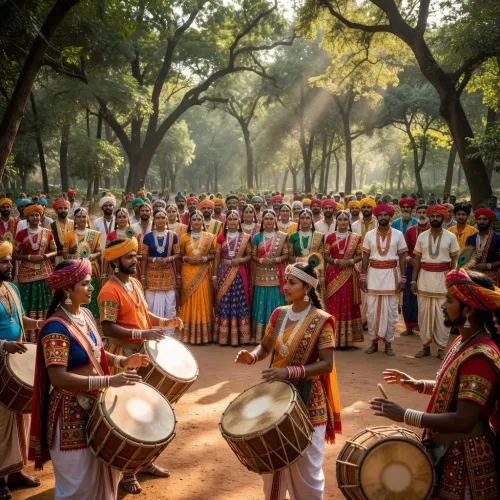
Tribal community members greeted the CM with traditional folk dances at the start of the tour.
Dahod district is a key focus area under Gujarat's Vanbandhu Kalyan Yojana (launched 2007), targeting tribal-belt development.
Any announcements on reviewed projects or new welfare allocations during the visit will be watched ahead of the next state budget cycle.
Gujarat's eastern tribal belt rarely makes headlines — but it commands political weight. Gujarat Chief Minister Bhupendra Patel launched a three-day grassroots tour of villages in the Garbada taluka of Dahod district on Wednesday, 18 November 2026, beginning the visit with a floral tribute to the statue of Birsa Munda — the revered 19th-century Adivasi freedom fighter — right at Garbada itself.
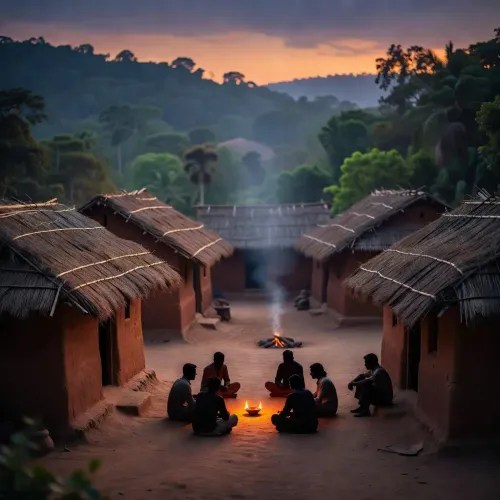
Patel announced the tour in a Gujarati post on X, writing: 'Aajathi tran divas Dahod jillana Garbada kshetrana gamo ma janta janardan vacche rahish' — 'Starting today, I will spend three days living among the people in the villages of Garbada region, Dahod district.' The stated purpose: direct dialogue with Adivasi families and villagers, a review of ongoing development works, and an up-close experience of rural life. Tribal men and women welcomed the Chief Minister with traditional folk dances, an arrival that, Patel noted, left him grateful.
Why Birsa Munda at Garbada — and why it matters
Opening the tour with a tribute to Birsa Munda was a deliberate act of cultural signalling. Munda led the Ulgulan — the 'Great Tumult' — a late-19th-century uprising in present-day Jharkhand demanding Adivasi land rights and dignity against colonial encroachment. His legacy carries weight far beyond Jharkhand: across India's tribal belt, his name is synonymous with self-respect and resistance. Patel described him as a source of inspiration for 'national service' whose life continues to motivate people today.
The gesture also carries a contemporary political dimension. Dahod district sits in Gujarat's eastern tribal corridor, home to a large Scheduled Tribe population and several ST-reserved assembly segments. Gujarat governments have, over successive terms, used both scheme delivery and high-profile leader visits to maintain a strong political connect in this belt — a pattern this tour continues.
Dahod, Garbada, and the Vanbandhu legacy
Dahod is not new to policy focus. Gujarat's Vanbandhu Kalyan Yojana, launched in 2007, was designed specifically to accelerate infrastructure, education, and livelihood improvements in tribal-dominated districts — with Dahod among the primary target areas. Development indicators in this belt have historically trailed state averages, and periodic review tours by senior leaders serve as accountability checkpoints for scheme implementation on the ground.
Patel's three-day stay — rather than a single-day flag-off visit — signals an intent to go beyond ribbon-cutting. Sitting with Adivasi families, hearing grievances first-hand, and reviewing project pipelines in village settings is a format that BJP administrations in Gujarat have used to combine administrative oversight with visible political outreach in ST constituencies.
What follows the Garbada visit
The immediate watch-point is what emerges from the review of development works during the tour. Any announcements on stalled projects, new infrastructure, or expanded tribal welfare allocations in Garbada — particularly those that feed into the next state budget cycle — will indicate how much of the visit translates from outreach into policy action. For now, the message from Garbada is clear: Gujarat's Chief Minister has chosen to begin this week not in Gandhinagar's corridors, but in the villages of Dahod, marigold petals at Birsa Munda's feet.
Point of View
Where ST-reserved seats remain electorally critical. Opening with a Birsa Munda tribute layers cultural legitimacy onto an administrative exercise, speaking to a national BJP emphasis on reclaiming tribal icons as part of its broader outreach to Scheduled Tribe communities. The tour also functions as a ground-level audit of Vanbandhu Kalyan Yojana delivery, where the gap between scheme announcements and village-level outcomes remains a persistent governance question. If substantive project announcements follow, the visit will carry policy weight; if not, it reads primarily as political maintenance of a key constituency.
NationPress
18 Nov 2026
Frequently Asked Questions
Why is CM Bhupendra Patel visiting Dahod district?
CM Bhupendra Patel is on a three-day grassroots tour of Garbada taluka in Dahod district to hold direct dialogue with Adivasi families, review development works, and experience rural life first-hand.
Who is Birsa Munda and why did CM Patel pay tribute to him?
Birsa Munda was a 19th-century Adivasi leader from Jharkhand who led the Ulgulan movement for tribal land rights against colonial rule. CM Patel paid floral tribute to his statue at Garbada to honour his legacy of fighting for tribal self-respect and rights.
What is the Vanbandhu Kalyan Yojana and does it cover Dahod?
The Vanbandhu Kalyan Yojana is a Gujarat government scheme launched in 2007 to improve infrastructure, education, and livelihoods in tribal-dominated districts. Dahod is one of its primary target areas.
Where exactly is Garbada in Gujarat?
Garbada is a taluka (sub-district) within Dahod district in eastern Gujarat, an area with a large Scheduled Tribe population and significant tribal welfare focus.
What is expected to come out of CM Patel's Garbada tour?
Observers are watching for announcements on stalled or new development projects reviewed during the three-day stay, and whether outcomes feed into expanded tribal welfare allocations in Gujarat's next state budget.