CM Nayab Saini Hails Kulgam Op That Killed LeT's Last Local Militant
Synopsis
Haryana CM Nayab Singh Saini praised a successful joint Kulgam operation on 18 November 2026 that killed Latif Bhat, reportedly Lashkar-e-Taiba's last active local militant in the Kashmir Valley, a day after the elimination of Omar Nisar.
Key Takeaways
Latif Bhat , described as Lashkar-e-Taiba's last active local militant in the Kashmir Valley, was killed in a joint operation in Kulgam on 18 November 2026 .
The operation came just one day after the killing of another militant, Omar Nisar , marking a significant 48-hour security sweep.
The joint operation involved JKP, Indian Army, CRPF, and intelligence agencies , with CM Saini highlighting their 'outstanding coordination'.
Lashkar-e-Taiba has been active in the Kashmir insurgency since the 1990s ; losing its last confirmed local recruit would mark a structural setback for the group.
India's intensified joint counter-insurgency operations in J&K accelerated after the abrogation of Article 370 in August 2019 .
Official confirmation from Ministry of Home Affairs or J&K Police is awaited to verify militant identities and operational details.
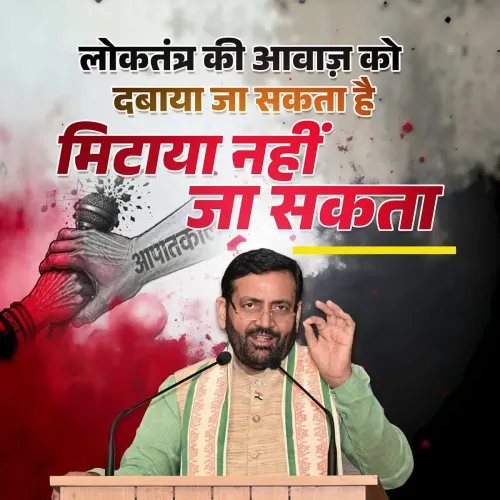
Two militants down in two days — and one of them, according to Haryana Chief Minister Nayab Singh Saini, was the last locally-active operative of Lashkar-e-Taiba still operating in the Kashmir Valley. On Wednesday, 18 November 2026, Saini took to X to salute the security forces that neutralised Latif Bhat in Kulgam district, calling it a landmark victory in the country's fight against terrorism.
Posting in Hindi, Saini described a remarkable 48-hour window of operations. Omar Nisar was eliminated the previous day; now Latif Bhat — described in the post as 'ghati mein Lashkar-e-Taiba ka aakhri sakriy sthaniya aatankwadi' ('the last active local militant of Lashkar-e-Taiba in the Valley') — has been killed. 'The courage and strong coordination of the security forces against terrorism has once again proven decisive,' Saini wrote, offering his salutations to India's brave soldiers.
Four Forces, One Target: How Kulgam Became a Kill Zone
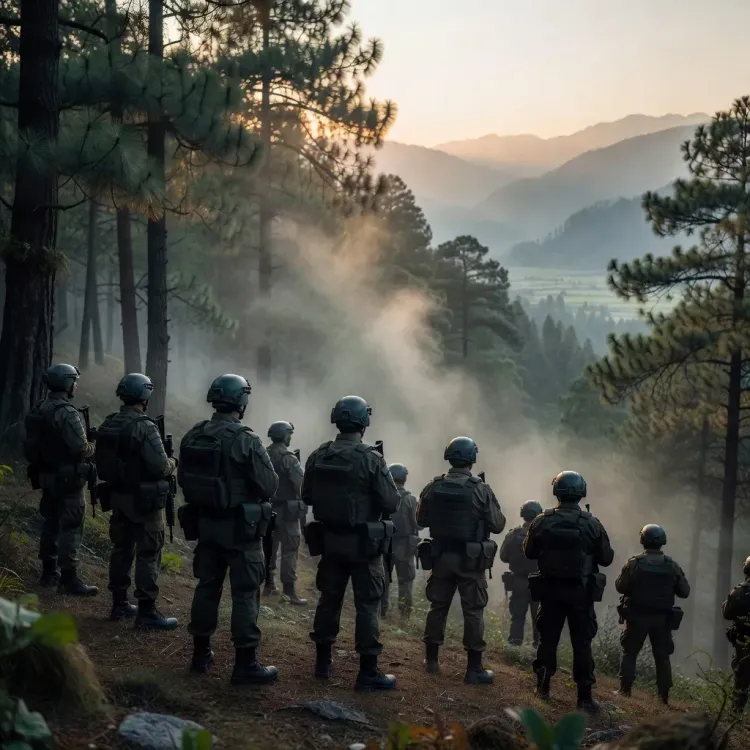
The operation drew together four pillars of India's counter-insurgency architecture: the Jammu and Kashmir Police (JKP), the Indian Army, the Central Reserve Police Force (CRPF), and intelligence agencies. That precise multi-agency mesh — each unit feeding the others with real-time information — has been the defining feature of successful encounters in Kulgam, a district that sits at the confluence of militant supply routes in the southern Valley.
Saini singled out the coordination as exemplary, a nod to years of painstaking investment in joint-command structures. 'Outstanding coordination was seen between JKP, the Indian Army, CRPF and intelligence agencies,' he wrote. The result, if confirmed by official authorities, would mark not just two individual eliminations but the unravelling of Lashkar-e-Taiba's last locally-rooted network in the Valley.
Lashkar-e-Taiba's Shrinking Local Footprint
Lashkar-e-Taiba, the Pakistan-based Islamist militant group active in the Kashmir insurgency since the 1990s, has long relied on a combination of foreign infiltrators and locally recruited operatives. Local recruits are strategically valuable — they know the terrain, the population, and the escape routes. Eliminating the last confirmed local member, therefore, is not a routine encounter; it is, operationally, the severing of a root.
The intensification of joint operations across Jammu and Kashmir accelerated sharply after the abrogation of Article 370 in August 2019, when the central government committed to dismantling militant networks through sustained, coordinated pressure. The pattern since then has been methodical: intelligence-led operations, rapid cordon-and-search, and no sanctuary for either foreign infiltrators or local overground workers.
A Chief Minister Speaks for a National Consensus
Saini governs Haryana, hundreds of kilometres from the Kashmir Valley — but his statement reflects a wider political reality. Leaders across party lines and state boundaries have consistently endorsed counter-terrorism operations in J&K as an expression of national will, not merely a local security matter. 'The country is proud of its brave soldiers,' Saini wrote, closing with a salute to their courage, valour, and dedication.
Official confirmation of casualty details and militant identities from the Ministry of Home Affairs or J&K Police will be the next critical marker — and any follow-up operations to consolidate what may be a historic security gain in the Valley.
Point of View
If officially confirmed, would represent a significant operational milestone in India's post-Article-370 counter-insurgency strategy — specifically the elimination of Lashkar-e-Taiba's locally-rooted network, which provides the group with terrain knowledge and community cover. Saini's statement from Haryana underscores how security gains in J&K are routinely absorbed into a broad, pan-India political narrative of national security consensus. The 48-hour window that eliminated two militants also signals the increasing tempo and precision of intelligence-led joint operations. What remains to be established is whether the elimination of the 'last local' operative marks a durable disruption or whether Lashkar-e-Taiba's recruitment pipeline will refill from new sources.
NationPress
18 Nov 2026
Frequently Asked Questions
Who was Latif Bhat and why does his killing matter?
Latif Bhat was described by Haryana CM Nayab Singh Saini as the last active local militant of Lashkar-e-Taiba in the Kashmir Valley. Local operatives are strategically valuable to militant groups because of their terrain knowledge, making his elimination a significant security gain if confirmed by official agencies.
What was the Kulgam joint operation on 18 November 2026?
The Kulgam operation was a coordinated anti-terror encounter involving Jammu and Kashmir Police, the Indian Army, the CRPF, and intelligence agencies. It resulted in the killing of Latif Bhat, a day after another militant, Omar Nisar, was also neutralised.
Which forces were involved in the Kulgam anti-terror operation?
The operation involved four agencies working in coordination: Jammu and Kashmir Police (JKP), the Indian Army, the Central Reserve Police Force (CRPF), and intelligence agencies.
What is Lashkar-e-Taiba and what is its role in Kashmir?
Lashkar-e-Taiba is a Pakistan-based Islamist militant group designated as a terrorist organisation by India. It has been active in the Kashmir insurgency since the 1990s, relying on both foreign infiltrators and locally recruited operatives.
Why is Nayab Singh Saini, Haryana's CM, commenting on a Kashmir operation?
Counter-terrorism operations in Jammu and Kashmir are treated as a matter of national security, and political leaders from across India routinely issue statements in support of security forces. Saini's statement reflects this established cross-state political consensus.