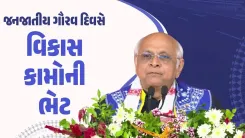
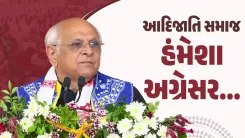
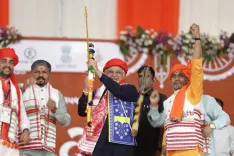
CM Bhupendra Patel joins tribal kin at Chhota Udepur on Birsa Munda's 151st birth anniversary
Synopsis
On Birsa Munda's 151st birth anniversary, Gujarat CM Bhupendra Patel joined Janjatiya Gaurav Diwas celebrations in Chhota Udepur, e-inaugurating 109 tribal development works worth over Rs. 2,280 crore, disbursing benefits to 27,900 beneficiaries, and launching 'Johar Cafe' and 'Shabari Booth' for Adivasi women's self-reliance.
Key Takeaways
Janjatiya Gaurav Diwas was observed nationwide on 15 November 2026 , marking Bhagwan Birsa Munda's 151st birth anniversary .
Gujarat CM Bhupendra Patel attended the state-level event in Chhota Udepur and virtually joined PM Modi's address from Gadchiroli , Maharashtra.
109 development works worth more than Rs.
2,280 crore were e-inaugurated or given groundbreaking for tribal areas.
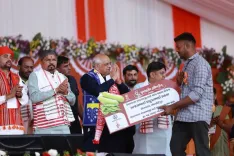
More than 27,900 beneficiaries received support under schemes including Van Adhikar, housing, Kunvarbai nu Mameru, and Mahila Doodhala Pashu Yojana. 'Johar Cafe' (run by women self-help groups) and 'Shabari Booth' at weekly tribal markets were launched to boost Adivasi women's livelihoods.
Janjatiya Gaurav Diwas was first instituted by the Government of India in 2021 , with annual observances pairing cultural commemoration with welfare delivery.
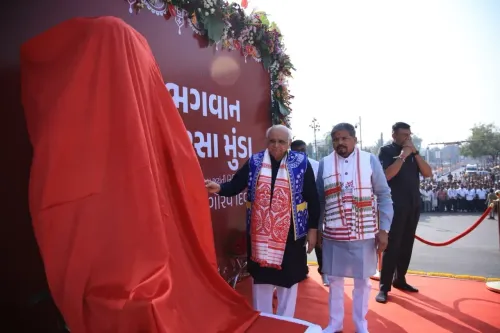
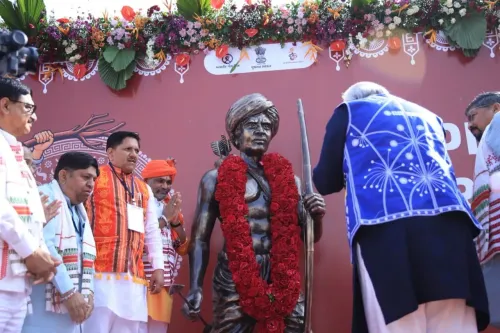
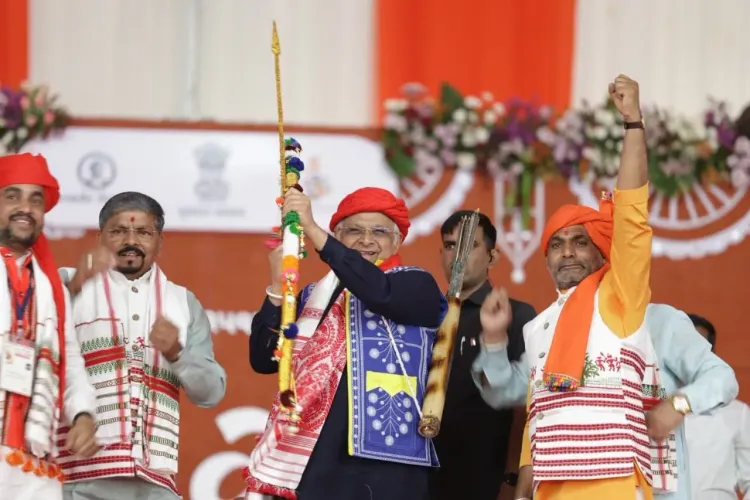
On the 151st birth anniversary of Bhagwan Birsa Munda, Gujarat Chief Minister Bhupendra Patel stood shoulder to shoulder with tribal communities in Chhota Udepur on Sunday, 15 November 2026 — the same day the nation observed Janjatiya Gaurav Diwas in every corner of the country. The occasion marked far more than a ceremonial tribute: it was a day of project launches, beneficiary outreach, and a fresh push for Adivasi women's economic self-reliance.
CM Patel, posting in Gujarati, described the gathering as 'sahbhagi thavano avsaar' — 'an opportunity to participate' — alongside tribal brethren. He joined the audience virtually to hear Prime Minister Narendra Modi's address from Gadchiroli, Maharashtra, where the national-level celebrations were anchored. Modi's speech was relayed to tribal audiences across the country as the government marked the fifth consecutive year of the observance instituted in 2021.
Rs. 2,280 crore in development works, 109 projects e-inaugurated in Chhota Udepur
The event's centrepiece was the e-inauguration and groundbreaking of 109 development works for tribal-majority areas, with a combined outlay of more than Rs. 2,280 crore. The projects span infrastructure, connectivity, and community services across Gujarat's Scheduled Tribe regions. The simultaneous launch of so many works in a single sitting is a signature format of Janjatiya Gaurav Diwas observances since 2021 — turning the cultural commemoration into a policy delivery event.
27,900 beneficiaries receive support under forest rights, housing, and livestock schemes
Alongside the infrastructure push, benefits were disbursed to more than 27,900 beneficiaries under a basket of welfare schemes — including Van Adhikar (forest rights), housing programmes, Kunvarbai nu Mameru (a marriage assistance scheme for tribal girls), and the Mahila Doodhala Pashu Yojana (a dairy cattle support scheme for women). Each of these targets a distinct vulnerability in tribal households, from land tenure insecurity to access to productive assets.
'Johar Cafe' and 'Shabari Booth' — Adivasi women take the lead
Perhaps the most grassroots element of the day was the launch of two livelihood platforms. 'Johar Cafe', run by women self-help groups, opens a formal dining and community enterprise space managed entirely by tribal women. 'Shabari Booth', introduced at the weekly haat (tribal market), gives Adivasi women a dedicated sales counter to reach local consumers. Together, the two initiatives represent a small but concrete step toward the economic autonomy the government has described as atmanirbharta — self-reliance.
Birsa Munda at 151: the icon behind the observance
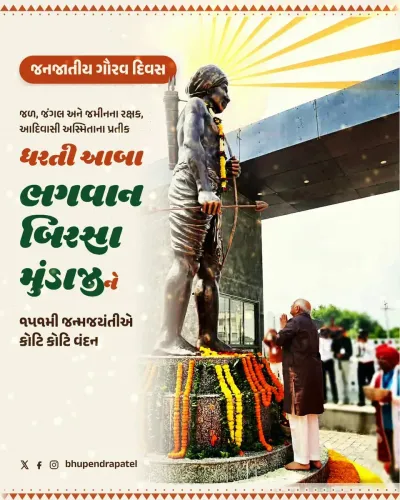
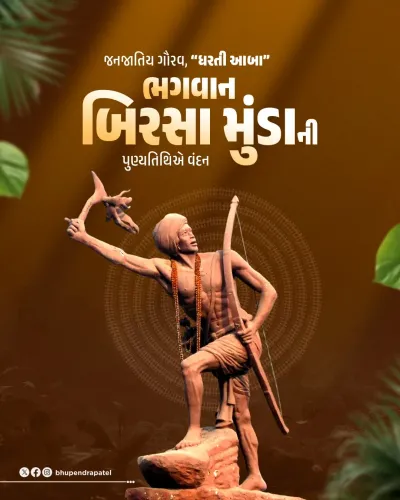
Bhagwan Birsa Munda led the Munda Ulgulan — the great rebellion — against British colonial dispossession of tribal land in the late 19th century and died in British custody in 1900, aged just 25. Revered as Dharti Aaba ('Father of the Earth'), he remains the defining symbol of tribal dignity and land rights on the Indian subcontinent. The Government of India chose his birth anniversary to institutionalise Janjatiya Gaurav Diwas in 2021, anchoring a national policy narrative around tribal history and welfare delivery.
Chhota Udepur, Gujarat's tribal heartland bordering Madhya Pradesh and Maharashtra, was not a random venue choice. The district is home to a dense Bhil and Rathwa tribal population and has been a focal point for Scheduled Area development programmes. As the 109 projects move from e-inauguration to ground reality, that community will be watching — and counting.
Point of View
Part high-visibility welfare delivery platform. By anchoring project e-inaugurations and beneficiary disbursements to a single symbolic date, the BJP at both the central and state level creates a policy-meets-identity moment designed to deepen electoral and social ties with Scheduled Tribe communities. The 'Johar Cafe' and 'Shabari Booth' initiatives signal a push beyond passive welfare toward active economic agency for tribal women — a narrative shift worth tracking for substance. How quickly the 109 projects in Chhota Udepur translate from e-inauguration to on-the-ground delivery will determine whether the day's symbolism converts into durable development.
NationPress
15 Nov 2026
Frequently Asked Questions
What is Janjatiya Gaurav Diwas and why is it celebrated on 15 November?
Janjatiya Gaurav Diwas is an annual national observance instituted by the Government of India in 2021 to honour tribal heritage and contributions. It is held on 15 November because that date marks the birth anniversary of Bhagwan Birsa Munda, the 19th-century tribal leader revered as 'Dharti Aaba' for his resistance against British colonial land dispossession.
What projects did CM Bhupendra Patel launch in Chhota Udepur on 15 November 2026?
CM Bhupendra Patel e-inaugurated and laid the foundation for 109 development works worth more than Rs. 2,280 crore in Gujarat's tribal areas. He also launched 'Johar Cafe' run by women self-help groups and 'Shabari Booth' at weekly tribal markets for Adivasi women's livelihoods.
Who is Bhagwan Birsa Munda?
Bhagwan Birsa Munda was a 19th-century tribal leader from Jharkhand who led the Munda Ulgulan, a rebellion against British colonial dispossession of tribal land. He died in British custody in 1900 at the age of 25 and is widely revered across India as a symbol of tribal dignity, land rights, and resistance.
What is 'Johar Cafe' and who runs it?
Johar Cafe is a community dining and enterprise initiative launched at the Janjatiya Gaurav Diwas event in Chhota Udepur, run by tribal women self-help groups. It is designed to create sustainable livelihood opportunities and promote economic self-reliance among Adivasi women in Gujarat.
How many beneficiaries received welfare scheme benefits on Janjatiya Gaurav Diwas 2026 in Gujarat?
More than 27,900 beneficiaries received support during the event in Chhota Udepur under schemes including Van Adhikar (forest rights), housing assistance, Kunvarbai nu Mameru (tribal girl marriage support), and the Mahila Doodhala Pashu Yojana (dairy cattle support for women).