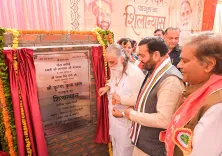
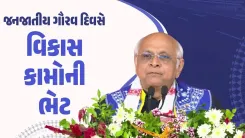
CM Bhupendra Patel Marks Janjatiya Gaurav Diwas With Tribute to Tribal Welfare Push
Synopsis
On Janjatiya Gaurav Diwas, Gujarat CM Bhupendra Patel credited PM Modi's leadership for 25 years of tribal transformation in Gujarat, spotlighting the 2007 Vanbandhu Kalyan Yojana, high-speed corridor connectivity, and a statewide sickle cell anaemia health campaign.
Key Takeaways
Janjatiya Gaurav Diwas (15 November) marks the birth anniversary of tribal leader Birsa Munda and is a national observance day for tribal welfare.
Gujarat CM Bhupendra Patel credited PM Narendra Modi's 25-year leadership for historic transformation in the state's tribal regions.
The Vanbandhu Kalyan Yojana , launched in 2007 by then-Gujarat CM Modi, is cited as the cornerstone scheme for tribal development in the state.
Tribal areas that once demanded basic paved roads now benefit from high-speed corridors , illustrating the scale of infrastructure investment.
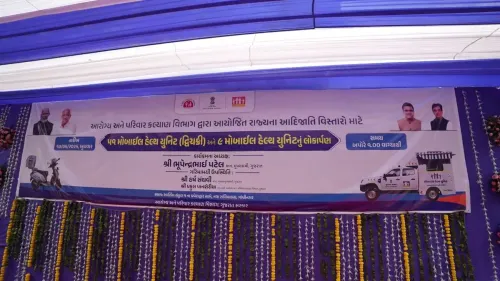
A sickle cell anaemia campaign and expansion of hospitals have strengthened health security in Scheduled Tribe districts.
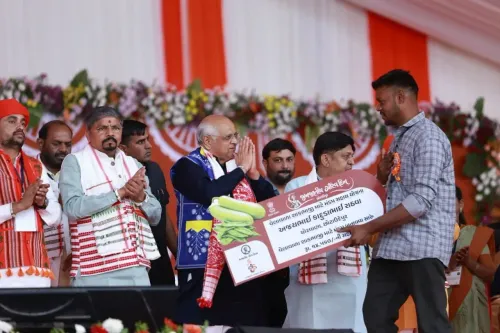
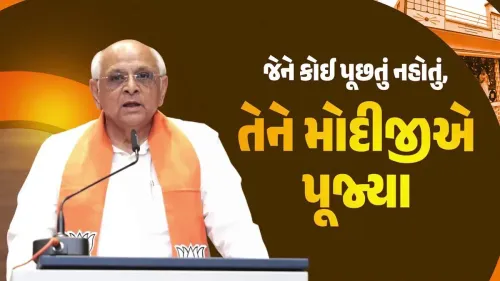
Regions that once had no paved roads now host high-speed corridors — that is the transformation Gujarat Chief Minister Bhupendra Patel highlighted on Sunday, 15 November 2026, marking Janjatiya Gaurav Diwas with a sweeping tribute to 25 years of tribal development in Gujarat under Prime Minister Narendra Modi's leadership.
The Vanbandhu Yojana: A 2007 Blueprint Still Bearing Fruit
At the heart of CM Patel's message is the Vanbandhu Kalyan Yojana, the comprehensive tribal welfare scheme launched in 2007 by Modi when he was Gujarat's Chief Minister. The scheme was designed to close stubborn development gaps in the state's eastern Scheduled Tribe districts — targeting infrastructure, health, and livelihoods simultaneously. Patel described it as a 'milestone in the holistic development of tribals,' and nearly two decades on, it remains the policy anchor for state-level tribal programming.
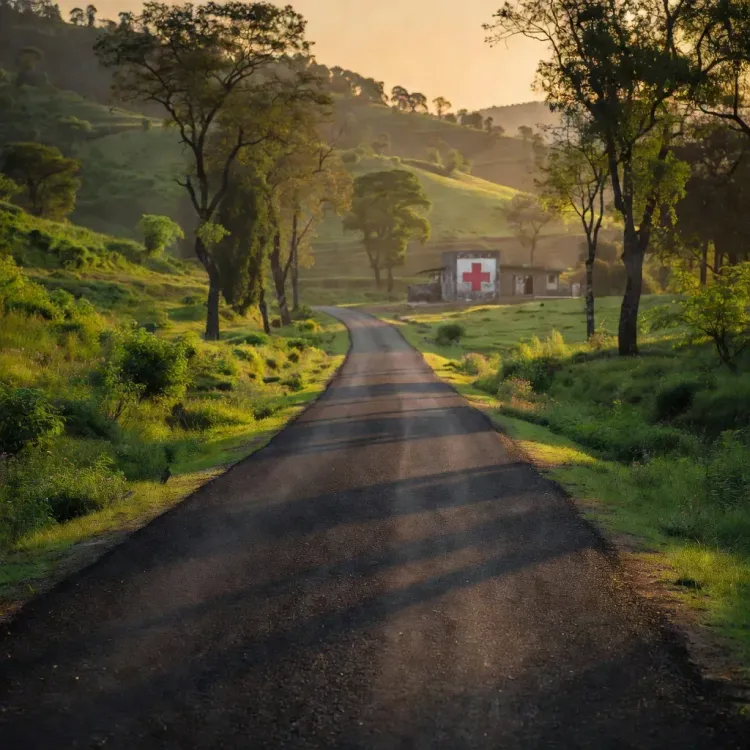
The connectivity angle is striking. Where communities once petitioned for a simple pakka raasta (paved road), state investment has scaled up to high-speed corridors that connect remote tribal blocks to economic hubs. That leap — from dirt track to expressway-grade access — frames the narrative Patel is amplifying on this national observance day.
Sickle Cell Anaemia: A Health Battle in Tribal Gujarat
Beyond roads, Patel singled out healthcare gains — specifically the campaign against sickle cell anaemia, a genetic blood disorder that disproportionately affects tribal populations across western and central India. The post points to a progression from basic health centres to modern hospitals, coupled with a 'comprehensive campaign' targeting sickle cell disease. Sickle cell anaemia has long been recognised as a critical public-health challenge in tribal belts, and state-run screening and management drives have been expanded as part of broader tribal health architecture.
Janjatiya Gaurav Diwas and the National Frame
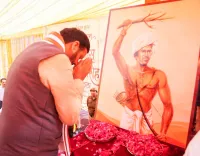
Janjatiya Gaurav Diwas is observed annually on 15 November — the birth anniversary of tribal icon and freedom fighter Birsa Munda — to honour the contributions of India's tribal communities. The BJP government elevated the date to a national observance, and it has since become a focal point for state governments to review and showcase tribal-welfare milestones. CM Patel's post slots neatly into that national messaging rhythm, anchoring Gujarat's local achievements to the broader political and cultural moment.
The 25-year arc Patel invokes — stretching from Modi's early years as Gujarat CM through his decade-plus as Prime Minister — is a deliberate political framing: continuity of vision from state to national government, with tribal welfare as proof of delivery.
With sickle cell screening programmes expanding and new road corridors still being rolled out into deep tribal blocks, the development story Patel is narrating is not a chapter closed — it is one still being written.
Point of View
The communication reinforces the party's claim of consistent tribal-welfare priority over a quarter-century. The sickle cell disease callout is particularly significant — it aligns with a central government initiative to eliminate the disorder in tribal communities, suggesting coordinated state-Centre messaging. The real test, however, will be independent progress data on corridor reach and health outcomes in the most remote tribal blocks.
NationPress
15 Nov 2026
Frequently Asked Questions
What is Janjatiya Gaurav Diwas and why is it celebrated on 15 November?
Janjatiya Gaurav Diwas is a national observance held on 15 November every year to honour tribal communities and their contributions to India. The date marks the birth anniversary of tribal freedom fighter Birsa Munda.
What is the Vanbandhu Kalyan Yojana?
The Vanbandhu Kalyan Yojana is a comprehensive tribal welfare scheme launched in Gujarat in 2007 by then Chief Minister Narendra Modi. It targets infrastructure, health, and livelihood development in Scheduled Tribe areas of the state.
Why does sickle cell anaemia affect tribal populations in Gujarat?
Sickle cell anaemia is a genetic blood disorder that occurs at higher rates among tribal communities across western and central India due to inherited genetic traits. Gujarat's tribal belts have been a focus of state-run screening and management campaigns.
What infrastructure changes have happened in Gujarat's tribal areas?
According to CM Bhupendra Patel's statement, tribal regions that previously lacked basic paved roads now have access to high-speed corridors, reflecting decades of connectivity investment under BJP-led state governments.
What did Gujarat CM Bhupendra Patel say on Janjatiya Gaurav Diwas 2026?
CM Bhupendra Patel credited PM Narendra Modi's 25-year leadership for historic changes in Gujarat's tribal areas, highlighting the Vanbandhu Kalyan Yojana, improved road connectivity, modern hospitals, and a sickle cell anaemia health campaign.