CM Bhupendra Patel Marks 12 Years of Modi's Garib Kalyan Vision
Synopsis
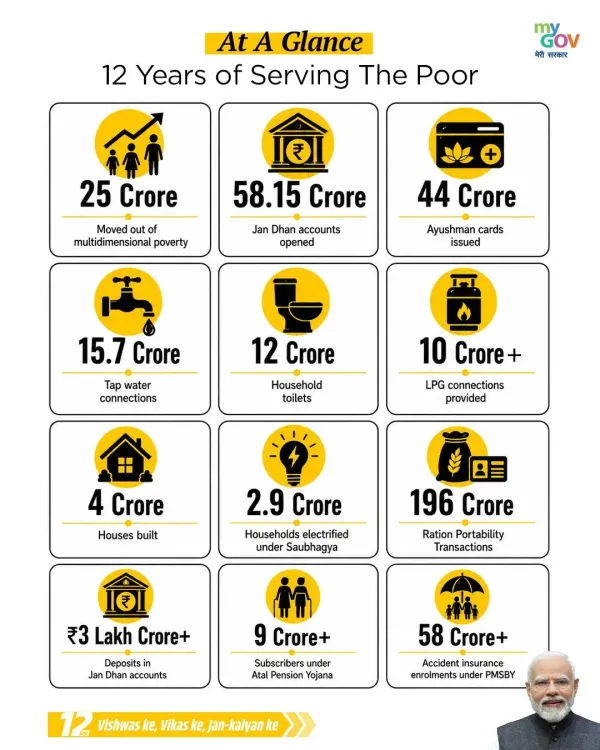
Gujarat Chief Minister Bhupendra Patel has marked 12 years of PM Narendra Modi's leadership, calling it transformative for crores of poor and underprivileged citizens. The tribute invokes the Garib Kalyan governance model spanning Jan Dhan, Ujjwala, Ayushman Bharat, and free food grain schemes delivered through direct benefit transfers.
Key Takeaways
CM Bhupendra Patel posted a tribute on June 8, 2026 marking 12 years of PM Narendra Modi's leadership.
The tribute was made under the hashtag #12YearsOfGaribKalyan , reflecting the BJP's welfare-first communication frame.
Key schemes spanning this period include Jan Dhan Yojana (2014), Ujjwala Yojana (2016), Ayushman Bharat (2018), and Garib Kalyan Anna Yojana (2020).
The Pradhan Mantri Garib Kalyan Anna Yojana has provided free food grain to over 80 crore beneficiaries since its launch.
The Direct Benefit Transfer architecture has been central to routing welfare funds with reduced leakage across all these programmes.
Future budget sessions will determine the continuation and funding of flagship food-security and health coverage schemes.
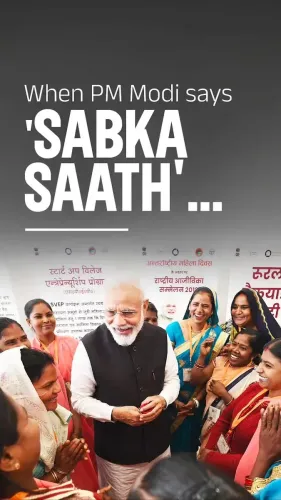
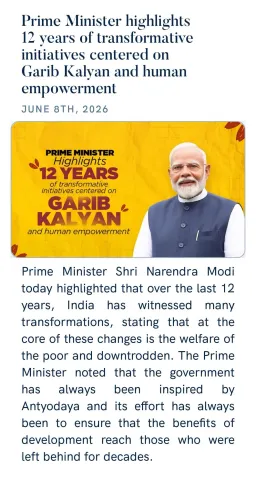
Gujarat Chief Minister Bhupendra Patel on Monday, June 8, 2026, paid tribute to Prime Minister Narendra Modi on completing 12 years of leadership, crediting the decade-plus tenure with delivering transformative welfare gains for crores of poor and underprivileged citizens across India.
Context
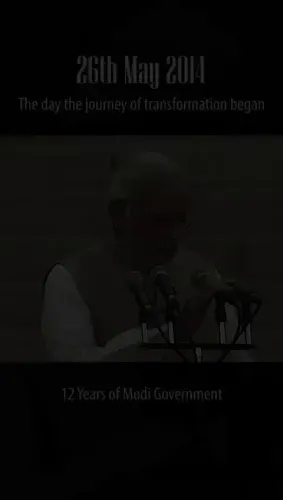
Posting under the hashtag #12YearsOfGaribKalyan, CM Patel described the Modi government's governance model as one 'rooted in service, inclusion and empowerment,' asserting that the nation had witnessed 'unprecedented progress in the welfare of the poor and the underprivileged.' The tribute coincides with the anniversary of Narendra Modi first assuming office as Prime Minister in May 2014, with BJP leaders across states marking the milestone on social media.
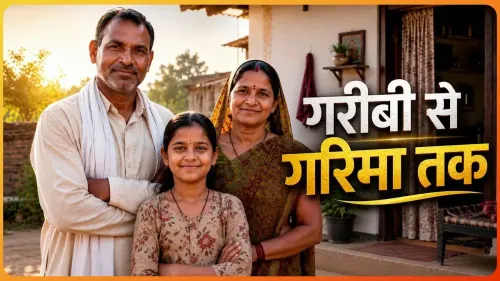
The phrase garib kalyan — meaning 'welfare of the poor' — has been a defining slogan of the ruling party's communication strategy since 2014, used to umbrella a wide range of targeted benefit schemes.
Policy Backdrop
The 12-year period referenced by CM Patel encompasses a series of flagship welfare programmes that reshaped direct benefit delivery in India. The Pradhan Mantri Jan Dhan Yojana, launched in August 2014, opened bank accounts for financially excluded households, laying the plumbing for subsequent direct transfers. This was followed by the Pradhan Mantri Ujjwala Yojana in May 2016, which extended LPG cooking-gas connections to women from below-poverty-line families.
In September 2018, the Ayushman Bharat Pradhan Mantri Jan Arogya Yojana introduced health coverage for economically weaker sections. When the COVID-19 pandemic struck, the Pradhan Mantri Garib Kalyan Anna Yojana — launched in March 2020 — extended free food grain to over 80 crore beneficiaries and was renewed in successive phases. Underpinning all these schemes is an expanded Direct Benefit Transfer architecture that routes subsidies and pensions directly to beneficiary accounts, reducing leakage.
Stakeholders and Impact
The primary beneficiaries of the programmes cited in CM Patel's tribute are lower-income households, women, and rural populations who gained access to banking, clean cooking fuel, healthcare cover, and food security through central schemes over this period. Gujarat, as a BJP-governed state, has been among the states implementing these central programmes at scale, giving CM Patel a direct administrative stake in their rollout and outcomes.
For the BJP as an organisation, the garib kalyan narrative serves as a central electoral and ideological pillar, distinguishing the party's welfare approach — built on digital identification and direct transfers — from earlier subsidy models.
What's Next
Attention will now turn to upcoming parliamentary budget discussions on the continuation and funding of food-security and health schemes, as well as state-level implementation reports from Gujarat and other states. Whether the Pradhan Mantri Garib Kalyan Anna Yojana receives further extension and how the Ayushman Bharat coverage evolves will be key indicators of how the garib kalyan agenda is sustained beyond the 12-year mark.
Point of View
Reinforcing the 'garib kalyan' brand ahead of any budget or electoral cycle. The post ties Gujarat's administrative identity to the Modi welfare arc, signalling ideological alignment while implicitly claiming credit for on-ground delivery. The choice of the #12YearsOfGaribKalyan hashtag over a generic anniversary tag is deliberate — it keeps the welfare frame front and centre rather than ceding space to governance critiques. Sustaining this narrative will depend on visible scheme continuations, particularly the free food grain programme, in the months ahead.
NationPress
24 Oct 2026
Frequently Asked Questions
What is the significance of 12 years of Modi government in June 2026?
June 2026 marks approximately 12 years since Narendra Modi first took oath as Prime Minister in May 2014, a milestone BJP leaders have marked by highlighting welfare schemes delivered under his tenure.
What is Garib Kalyan and which schemes does it cover?
'Garib Kalyan' means welfare of the poor and broadly covers schemes such as Pradhan Mantri Jan Dhan Yojana, Ujjwala Yojana, Ayushman Bharat, and Pradhan Mantri Garib Kalyan Anna Yojana launched between 2014 and 2020.
Who is Bhupendra Patel and why did he post about PM Modi?
Bhupendra Patel is the Chief Minister of Gujarat and a senior BJP leader who has been in office since September 2021; his tribute to PM Modi on the 12-year anniversary reflects standard BJP party communication practice.
How many people benefit from the Pradhan Mantri Garib Kalyan Anna Yojana?
The Pradhan Mantri Garib Kalyan Anna Yojana, launched in March 2020, has provided free food grain to over 80 crore beneficiaries and has been extended in multiple phases.
What is Direct Benefit Transfer and how does it relate to Modi's welfare model?
Direct Benefit Transfer is a system that routes government subsidies, pensions, and scheme funds directly into beneficiary bank accounts, reducing leakage; it was significantly expanded after 2014 and underpins most central welfare programmes.