CM Bhupendra Patel marks 12 years of Modi's welfare drive
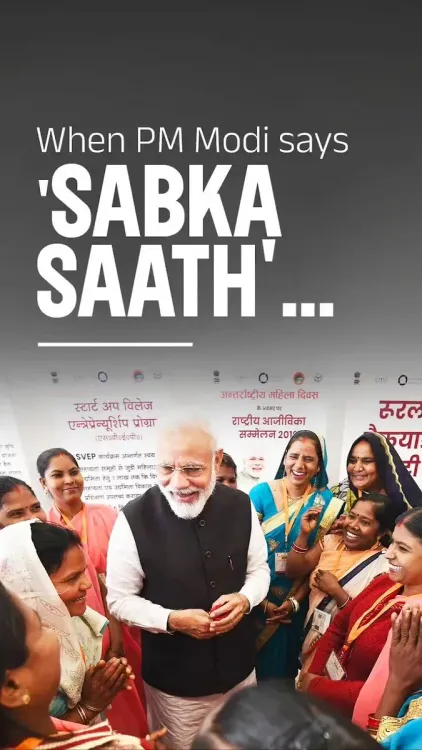
Synopsis
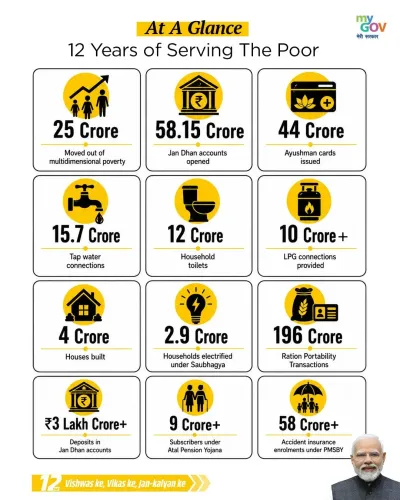
Gujarat Chief Minister Bhupendra Patel on 9 June 2026 marked 12 years of PM Modi's welfare drive under #12YearsOfGaribKalyan, crediting the Swachh Bharat Mission, Jal Jeevan Mission and Ujjwala Yojana with bringing dignified change to India's poor and women.
Key Takeaways
Gujarat CM Bhupendra Patel posted on 9 June 2026 marking 12 years of PM Modi's welfare agenda under #12YearsOfGaribKalyan .
He cited three schemes as transformative: household toilets ( Swachh Bharat Mission , launched 2 October 2014 ), tap water ( Jal Jeevan Mission , announced 2019 ) and LPG connections ( Pradhan Mantri Ujjwala Yojana , launched 1 May 2016 ).
Ujjwala Yojana originally targeted 5 crore BPL women beneficiaries with free LPG connections.
Jal Jeevan Mission aimed to connect 14.6 crore rural households with functional tap water by 2024.
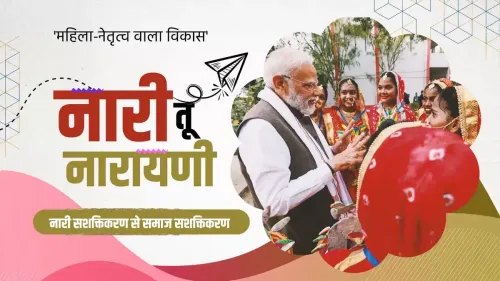
Patel framed the welfare drive as advancing Atmanirbhar Bharat and specifically highlighted Nari Shakti (women's empowerment) as a central outcome.
Updated scheme saturation data is expected in the forthcoming Economic Survey and NITI Aayog SDG Index.
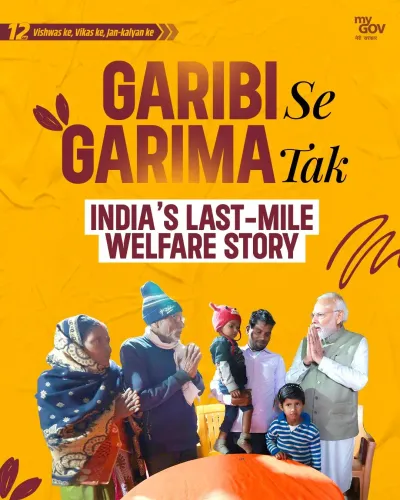
Gujarat Chief Minister Bhupendra Patel on Tuesday, 9 June 2026 marked 12 years of Prime Minister Narendra Modi's tenure by crediting his welfare agenda with bringing 'dignified, positive change' to the lives of India's poor, marginalised communities and women. Patel highlighted three flagship schemes — household toilets, tap water connections and Ujjwala LPG connections — as the pillars of this transformation.
Context
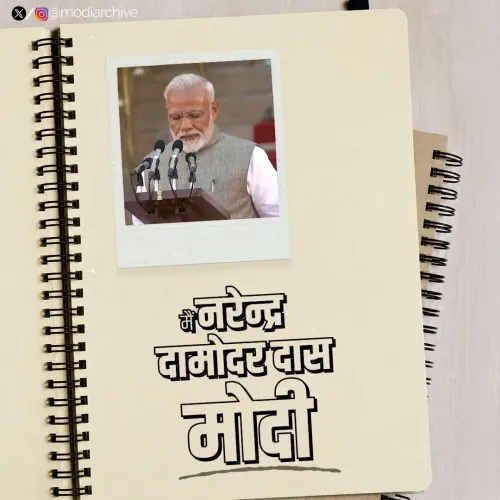
Posting under the hashtag #12YearsOfGaribKalyan, Patel wrote in Hindi: 'Desh ke garibon, vanchitton aur vishesh roop se Nari Shakti ke jeevan mein garimapurn sakaratmak badlav laane ke... sevayagya ko safaltapurvak 12 varsh poorn hue hain' — ('The service-mission of honoured Prime Minister Shri Narendra Modi, aimed at bringing dignified and positive change to the lives of the country's poor, the deprived and especially women, has successfully completed 12 years.'). The post was accompanied by a video and marks the anniversary of Modi's first oath of office on 26 May 2014, observed with a wider ruling-party communications drive.
Patel is among the most prominent state-level BJP voices who consistently amplify central welfare messaging. As Gujarat Chief Minister since September 2021, he has frequently linked state delivery outcomes to the national schemes championed by the Prime Minister.
Policy Backdrop
The three schemes Patel referenced each address a distinct dimension of basic amenity deprivation. The Swachh Bharat Mission, launched on 2 October 2014, targeted the elimination of open defecation through household toilet construction across rural and urban India. The Pradhan Mantri Ujjwala Yojana, inaugurated on 1 May 2016, set out to deliver free LPG connections to women from below-poverty-line (BPL) households, with an initial target of 5 crore beneficiaries.
The Jal Jeevan Mission, announced in the 2019-20 Union Budget, aimed to provide functional household tap connections to all 14.6 crore rural households by 2024. Together, these programmes have been presented in official messaging as the foundational infrastructure for Atmanirbhar Bharat — the self-reliance framework unveiled in May 2020.
Post-2014 Union governments have consistently framed large-scale delivery of basic amenities as both a social welfare imperative and a driver of women's empowerment, reducing the time and health burdens associated with open defecation, indoor air pollution from biomass cooking and the fetching of water over long distances.
Stakeholders and Impact
The primary beneficiaries of the schemes Patel cited are rural poor households, women heads of BPL families and marginalised communities at the lowest income deciles. Clean cooking fuel directly addresses respiratory health risks for women who previously relied on biomass fuels, while household sanitation and piped water have documented links to reductions in waterborne disease and improvements in girl-child school retention.
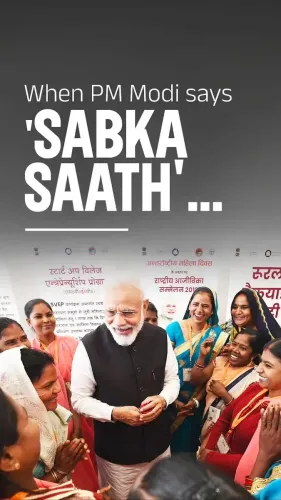
The framing of welfare delivery as 'Nari Shakti' (women's empowerment) reflects a deliberate political messaging strategy that positions women as the central beneficiaries of the government's social infrastructure push. This narrative has been a recurring feature of BJP communications at both state and national levels.
What's Next
Updated coverage and saturation data for all three missions is expected to feature in the forthcoming Economic Survey and the NITI Aayog SDG Index report. The next Union Budget may carry announcements on new phases or enhanced allocations for these programmes as the government builds on the 12-year welfare milestone narrative. Whether ground-level delivery has kept pace with the stated targets will remain a key point of scrutiny for policy analysts and opposition voices alike.
Point of View
Reinforcing a unified party narrative from Gandhinagar to New Delhi. The choice to anchor the tribute on three tangible, household-level schemes — toilets, tap water and cooking gas — reflects a deliberate shift in BJP's political communication from abstract development rhetoric to visible, named deliverables that resonate with first-time beneficiaries. The 'Garib Kalyan' framing also signals the party's continued effort to own the welfare space ahead of electoral cycles, positioning social infrastructure as a BJP legacy rather than a bureaucratic outcome. How far ground-level saturation matches the aspirational framing will increasingly define whether this narrative holds with voters in the next round of state and national contests.
NationPress
19 Sept 2026
Frequently Asked Questions
What is #12YearsOfGaribKalyan?
#12YearsOfGaribKalyan is a hashtag used by BJP leaders to mark 12 years of PM Narendra Modi's government, focusing on welfare schemes for the poor, marginalised communities and women since he took office in May 2014.
What is the Pradhan Mantri Ujjwala Yojana?
Pradhan Mantri Ujjwala Yojana is a central government scheme launched on 1 May 2016 to provide free LPG cooking gas connections to women from below-poverty-line households, with an initial target of 5 crore beneficiaries.
What is the Jal Jeevan Mission?
The Jal Jeevan Mission is a Union government programme announced in the 2019-20 Budget to supply functional household tap water connections to all 14.6 crore rural households in India.
Why did Gujarat CM Bhupendra Patel post about Modi's 12 years?
Patel posted to mark the 12th anniversary of PM Modi's government, crediting central welfare schemes with improving the lives of India's poor and women — a common practice among BJP state leaders during party milestone communications.
What is the Swachh Bharat Mission?
The Swachh Bharat Mission is a nationwide sanitation programme launched on 2 October 2014 to eliminate open defecation in India through the construction of household and community toilets across rural and urban areas.