CM Bhupendra Patel Hails 12 Years of Women-Led Development
Synopsis
Gujarat CM Bhupendra Patel on June 12, 2026, marked twelve years of PM Modi's governance by highlighting a shift from women's welfare to women-led development, citing Swachh Bharat, Ujjwala, Jal Jeevan Mission, Jan Dhan, and the Lakhpati Didi initiative as transformative milestones for rural and professional women across India.
Key Takeaways
Gujarat CM Bhupendra Patel posted on June 12, 2026 , marking 12 years of PM Modi-led governance with a focus on women's empowerment.
Swachh Bharat Mission (launched October 2014 ) and Jal Jeevan Mission (launched August 2019 ) are credited with reducing time poverty and drudgery for rural women.
Pradhan Mantri Ujjwala Yojana (launched May 2016 ) issued LPG connections in the names of adult women in below-poverty-line households.
PM Jan Dhan Yojana and PM Awas Yojana are cited for giving women formal bank accounts and property ownership rights.
The Lakhpati Didi initiative targets rural women achieving annual income of at least one lakh rupees through Self-Help Group enterprises.
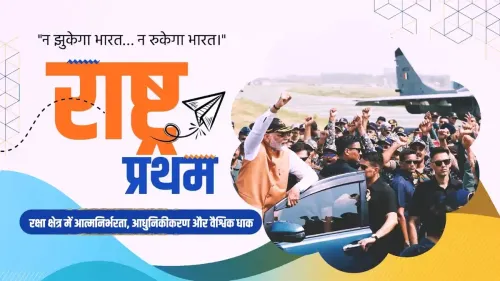
CM Patel also highlighted women's growing presence in defence and aviation as markers of a broader capability shift.
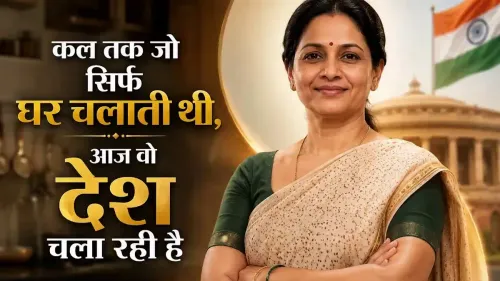
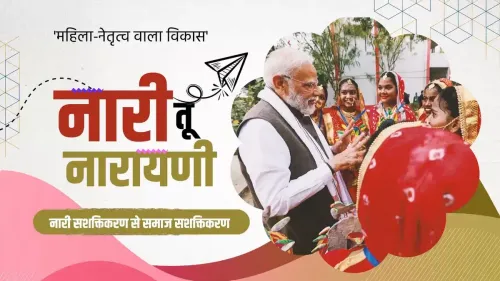
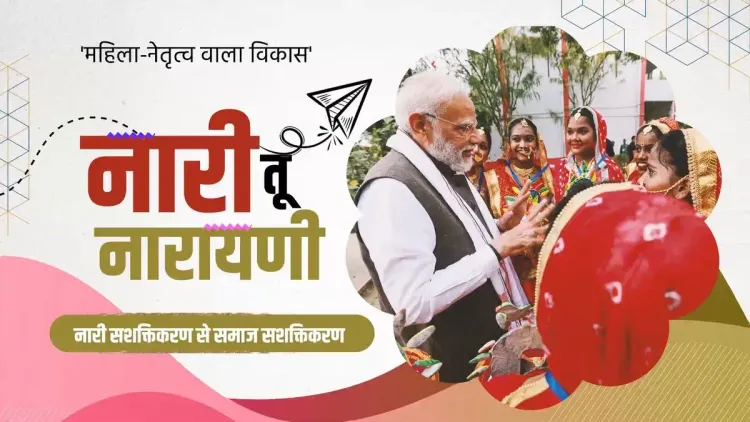
Gujarat Chief Minister Bhupendra Patel on Friday, June 12, 2026, invoked the phrase 'Nari Tu Narayani' ('Woman, you are divine') to mark twelve years of what he described as a historic shift from 'Women Development' to 'Women-led development' under the leadership of Prime Minister Narendra Modi.
Context
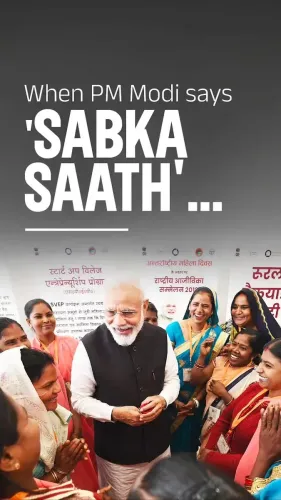
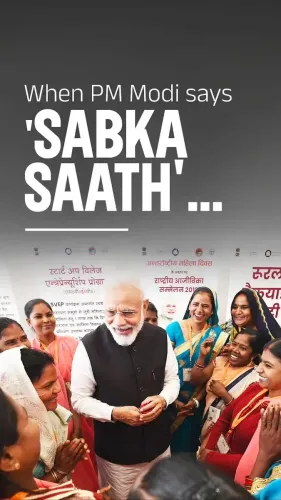
Posting under the hashtag #12YearsOfNariShakti, CM Patel outlined a cluster of flagship central schemes — Swachh Bharat Mission, Jal Jeevan Mission, Pradhan Mantri Ujjwala Yojana, PM Jan Dhan Yojana, and PM Awas Yojana — as the pillars of this transformation. He argued that these programmes collectively delivered 'dignity and freedom of time' to rural women while giving them 'real economic self-reliance' through asset ownership in their own names.
The post also highlighted the rise of 'Lakhpati Didis' through the Self-Help Group initiative, and pointed to women's expanding presence in the defence and aviation sectors as a new identity for a 'Viksit Bharat' (Developed India).
Policy Backdrop
The schemes cited by CM Patel span more than a decade of central policy. Swachh Bharat Mission was launched in October 2014 to build household toilets in rural areas, directly reducing the burden of open defecation on women. Pradhan Mantri Ujjwala Yojana, announced in May 2016, distributed LPG connections to below-poverty-line households with connections issued in the name of adult women.
Pradhan Mantri Jan Dhan Yojana, rolled out in August 2014, prioritised women for bank accounts and linked direct benefit transfers to those accounts. Jal Jeevan Mission, announced in August 2019, aimed to deliver piped tap water to every rural household — a measure widely credited with reducing the daily drudgery of water collection that falls disproportionately on women.
The Lakhpati Didi initiative builds on the Self-Help Group credit architecture to help rural women achieve an annual household income of at least one lakh rupees through enterprise activities, representing the government's push from welfare delivery toward asset creation and economic agency.
Stakeholders and Impact
The primary beneficiaries highlighted in CM Patel's post are rural women across India who have accessed sanitation, clean cooking fuel, piped water, and formal banking for the first time. Ownership clauses under PM Awas Yojana have placed housing assets in women's names, a structural shift in property rights at the grassroots level.
Beyond rural welfare, the post draws attention to women entering the Indian defence forces and civil aviation — sectors that have seen a gradual opening of roles and pathways for women over the same period. CM Patel frames these parallel tracks as complementary: one addressing material deprivation, the other expanding professional aspiration.
What's Next
Attention will now turn to state-level progress reports on Lakhpati Didi targets and any new guidelines on women's ownership clauses in housing and bank-linked schemes ahead of the next Union Budget. Gujarat, as a BJP-governed state, is expected to align its own welfare delivery machinery closely with the central narrative of women-led development that CM Patel has publicly championed.
Point of View
Framing a decade of welfare infrastructure as a coherent ideological project — the transition from the state 'developing women' to women 'leading development.' By invoking the Sanskritic phrase 'Nari Tu Narayani,' the post fuses religious and nationalist registers, a communication style characteristic of BJP leaders building cultural resonance around policy. The bundling of rural schemes with defence and aviation representation signals an attempt to bridge the BJP's traditional rural base with aspirational, urban-facing voters. Ahead of the Union Budget, such messaging also sets the political expectation that women-centric schemes will receive continued or enhanced allocations.
NationPress
22 Sept 2026
Frequently Asked Questions
What is the Lakhpati Didi scheme?
The Lakhpati Didi initiative is a government programme that works through Self-Help Groups to help rural women earn an annual household income of at least one lakh rupees through skill development and enterprise activities.
What did Gujarat CM Bhupendra Patel say about women's empowerment?
CM Bhupendra Patel posted on June 12, 2026, that under PM Modi's leadership over 12 years, India has moved from 'Women Development' to 'Women-led development,' citing schemes like Ujjwala Yojana, Jal Jeevan Mission, and Jan Dhan as key enablers.
What is PM Ujjwala Yojana and how does it help women?
Pradhan Mantri Ujjwala Yojana, launched in May 2016, provides free LPG cooking gas connections to below-poverty-line households, with connections issued in the name of adult women to give them direct ownership and access to clean fuel.
How does Jal Jeevan Mission benefit rural women?
Jal Jeevan Mission, announced in August 2019, aims to provide piped tap water to every rural household, reducing the burden of long-distance water collection that traditionally falls on women and freeing their time for productive activities.
What is #12YearsOfNariShakti?
#12YearsOfNariShakti is a hashtag used by BJP leaders to mark twelve years of PM Narendra Modi's government, highlighting women-focused policy achievements across welfare, financial inclusion, housing, and professional sectors.