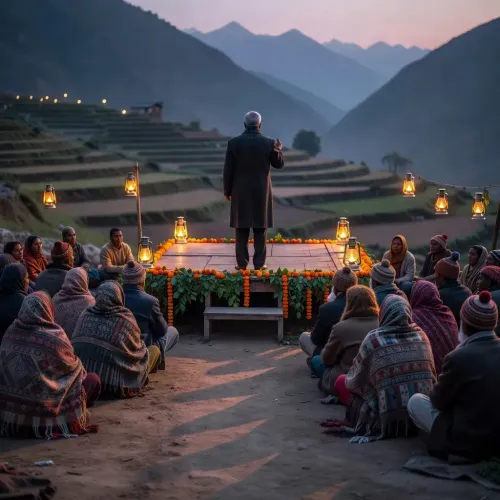
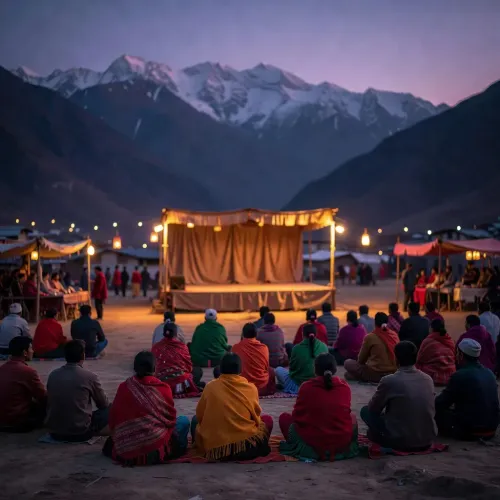
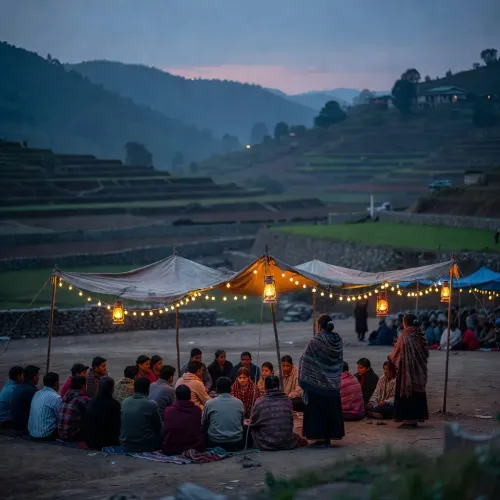
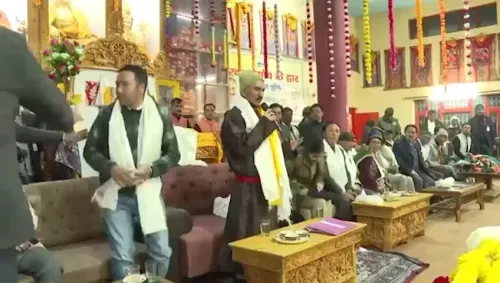
HP CM's Office chairs 'Sarkar Gaon Ke Dwar' camp in Bharmour
Synopsis
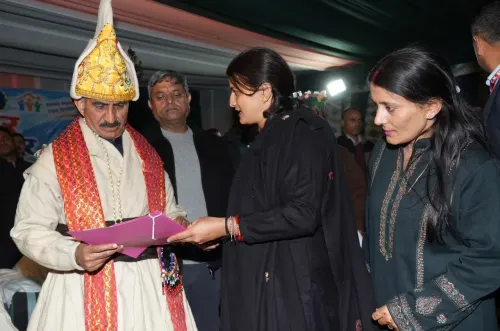
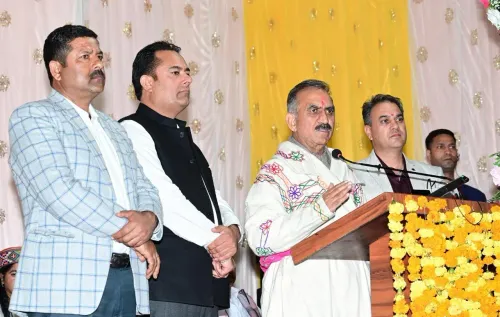
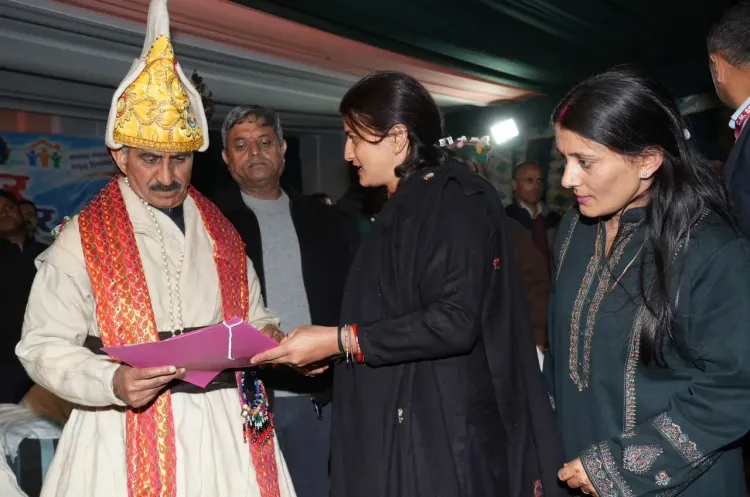
The Himachal Pradesh CMO chaired a 'Sarkar Gaon Ke Dwar' programme at Mehla village in the remote, ST-reserved Bharmour constituency of Chamba district, holding an overnight session with residents, Mahila Mandals, and Yuvak Mandals to hear grievances and direct officials to resolve them swiftly.
Key Takeaways
The Chief Minister's Office of Himachal Pradesh chaired a 'Sarkar Gaon Ke Dwar' camp at Mehla village, Bharmour on the night of 5-6 November 2026 .
Bharmour is a Scheduled Tribe-reserved constituency in Chamba district , home to the Gaddi tribal community.
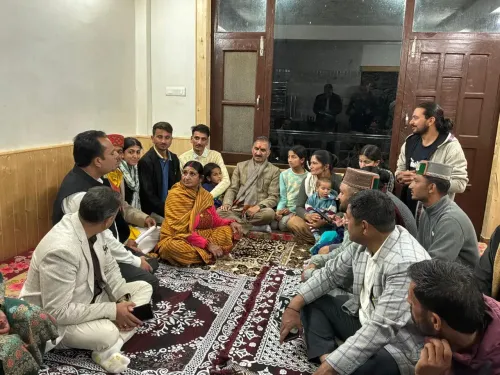
Residents, Mahila Mandals , and Yuvak Mandals participated in direct dialogue during the overnight stay.
Officials were directed to ensure swift resolution of the problems and complaints raised.
The programme is designed to bridge service-delivery gaps in remote, high-altitude areas with limited access to district administration.
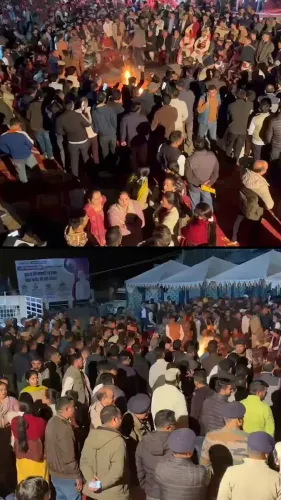
Deep in the high-altitude tribal belt of Chamba district, governance arrived at the doorstep. The Chief Minister's Office of Himachal Pradesh announced on Friday, 6 November 2026, that a 'Sarkar Gaon Ke Dwar' (Government at the Village's Door) programme was chaired the previous night at Mehla village in the Bharmour assembly constituency — with an overnight stay, direct conversations, and on-the-spot directions to officials.
The post describes how local residents, Mahila Mandals (women's community groups), and Yuvak Mandals (village youth organisations) were engaged in dialogue during the night halt, with their problems and complaints heard firsthand. Officials were directed to resolve the issues swiftly.
Bharmour's remote terrain — why an overnight halt matters
Bharmour is no ordinary constituency. A Scheduled Tribe-reserved seat in Chamba — one of Himachal Pradesh's most remote and difficult-to-access districts — it is the traditional home of the Gaddi tribal community, a semi-nomadic pastoral people who have historically struggled to access government services. Roads can be treacherous and administration distant. An overnight government camp here is not ceremony; it is logistics made deliberate. By staying the night, the administration signals it is not parachuting in for a photo opportunity and flying out. Sitting with Mahila Mandals and Yuvak Mandals after dark — the working hours of rural India — is precisely the kind of accessibility that community groups in remote hill constituencies say they rarely experience from district headquarters, let alone the state capital Shimla.What 'Sarkar Gaon Ke Dwar' is designed to fix
The Sarkar Gaon Ke Dwar initiative is Himachal Pradesh's structured answer to a persistent problem: service-delivery gaps in high-altitude, low-connectivity areas where citizens cannot easily travel to block offices or district headquarters to lodge grievances. Under the programme, senior functionaries — often accompanied by departmental officers — visit villages directly, hold open-audience sessions, and issue on-the-spot directions. The goal is to collapse the distance between the governed and the government. Mahila Mandals and Yuvak Mandals serve as the grassroots nerve endings of this process. These village-level organisations aggregate individual complaints — a delayed pension, a stalled water scheme, a missing ration card — into collective representations that officials can act on systematically. Their presence at the Mehla camp suggests the outreach went beyond individual petitions to community-level concerns.Directions to officials — the accountability test
The critical phrase in the official post is the directive for 'sheeghra samadhan' — swift resolution. Such public commitments from outreach camps are routinely logged, but their follow-through remains the accountability test. What to watch: whether grievances raised at Mehla are formally tracked and closed, and whether the camp cadence extends to other underserved pockets of Chamba and beyond in the coming weeks. For a tribal constituency that sits hours from the nearest major town, last night's camp was a reminder that the most consequential governance sometimes happens not in assembly chambers, but in a village clearing after nightfall.Point of View
However, lies in the follow-up pipeline — whether grievance data from camps like Mehla is formally tracked and acted upon, or dissolves after the officials' convoy drives out. If the government publishes resolution rates from these camps, it transforms the initiative from outreach theatre into measurable accountability.
NationPress
6 Nov 2026
Frequently Asked Questions
What is the 'Sarkar Gaon Ke Dwar' programme in Himachal Pradesh?
'Sarkar Gaon Ke Dwar' (Government at the Village's Door) is a Himachal Pradesh outreach initiative in which senior government functionaries visit remote villages directly, hold open sessions with residents and community groups, and direct officials to resolve local grievances on the spot, addressing service-delivery gaps in high-altitude and low-connectivity areas.
Where is Bharmour constituency located and who lives there?
Bharmour is a Scheduled Tribe-reserved assembly constituency in Chamba district , Himachal Pradesh. It is the traditional homeland of the Gaddi tribal community , a semi-nomadic pastoral group living in one of the state's most remote and difficult-to-access regions.
What are Mahila Mandals and Yuvak Mandals in Himachal Pradesh villages?
Mahila Mandals are women's community groups and Yuvak Mandals are village-level youth organisations that are active across rural Himachal Pradesh. They work on local welfare and development issues and often represent collective community concerns at government outreach events.
What happened at Mehla village Bharmour on 5 November 2026?
The Chief Minister's Office of Himachal Pradesh chaired a 'Sarkar Gaon Ke Dwar' programme at Mehla village in Bharmour constituency, with an overnight halt. Officials heard grievances from residents, Mahila Mandals, and Yuvak Mandals and were directed to resolve the issues swiftly.
Why does the Himachal Pradesh government hold overnight camps in remote villages?
High-altitude areas like Chamba's Bharmour constituency are far from district headquarters and state administration. Overnight camps ensure that government engagement is not superficial — community groups, especially women's and youth organisations, can participate after their regular working hours, and officials can hear a fuller range of local concerns.