Giriraj Singh visits Jamuria textile unit, flags Bengal expansion
Synopsis
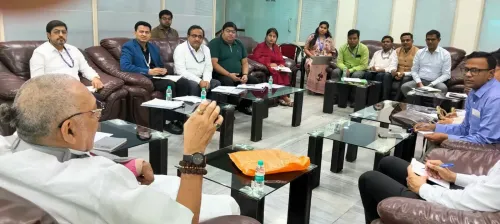
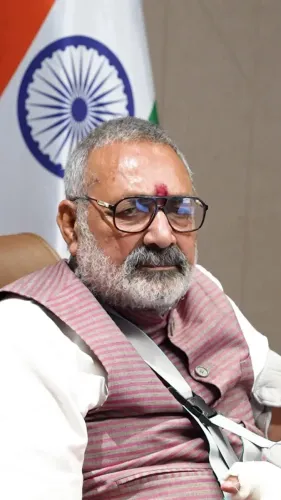
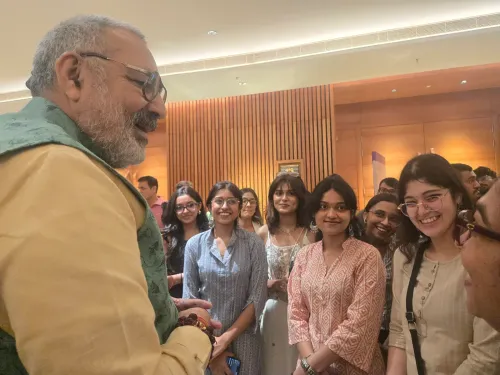
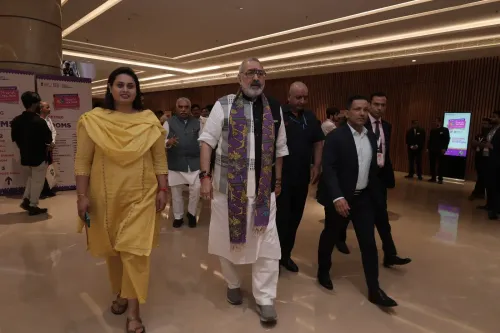
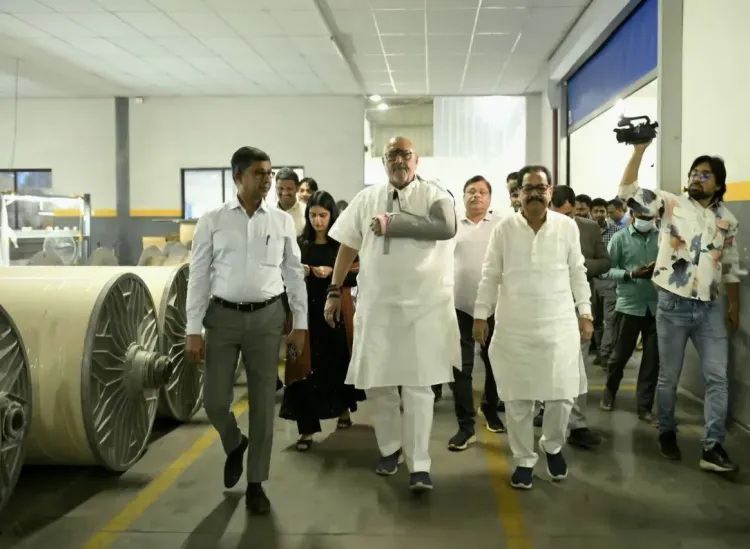
Union Textiles Minister Giriraj Singh visited Shri Maa Textiles in Jamuria, West Bengal on 6 November 2026, highlighting the company's decision to expand locally rather than relocate — framing it as a sign of improved industrial sentiment under a new state government.
Key Takeaways
Giriraj Singh visited Shri Maa Textiles in Jamuria, Paschim Bardhaman, West Bengal on 6 November 2026 .
The company had previously considered relocating outside the state but is now expanding its operations in Jamuria.
Shri Maa Textiles imports yarn, processes it into garments, and exports the finished products.
The minister linked the company's reversal to the formation of a new BJP state government in West Bengal.
The expansion is positioned as a step toward boosting local employment and establishing West Bengal as a key textile hub.
The PLI scheme for textiles , launched in 2021 , underpins central government efforts to grow garment manufacturing in eastern India.
A garment factory in Jamuria, West Bengal that once weighed shifting operations out of the state is now doubling down on expansion — and Union Textiles Minister Giriraj Singh made a point of showing up to say so on Friday, 6 November 2026. The minister visited Shri Maa Textiles, touring a unit that processes imported yarn into finished garments for export, and used the occasion to signal what he called a turning point for Bengal's industrial climate.
Posting on X after the visit, the minister wrote: 'Paschim Bengal ke Jamuria sthit Shri Maa Textiles ka daura kiya' — 'Visited Shri Maa Textiles located in Jamuria, West Bengal. It is heartening that a company which was earlier considering relocating its industry out of the state is now expanding its business in Jamuria itself after the formation of a new BJP government.' He added that the company handles yarn processing, garment manufacturing, and exports, and described the expansion as 'an important step towards increasing local employment and making West Bengal a significant hub in the textile sector.'What Shri Maa Textiles does — and why the location matters
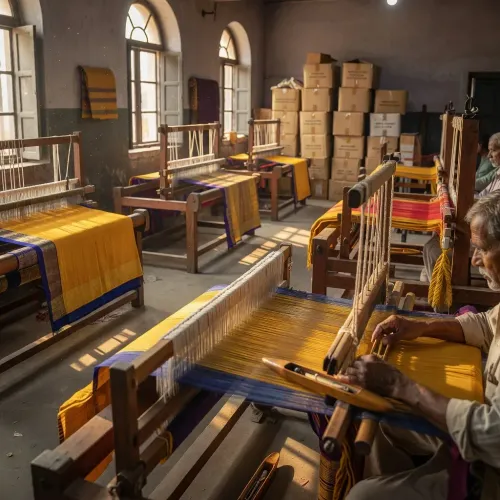
Jamuria is an industrial pocket in Paschim Bardhaman district, better known historically for its coal belt than its looms. Shri Maa Textiles operates a processing-and-manufacturing model: it sources yarn from outside the state, runs it through fabric processing, and produces finished garments destined for export markets. That supply-chain model — import yarn, add value locally, export — is precisely the kind of operation central policy has been trying to anchor in eastern India, where labour costs are competitive and logistics connectivity is improving.
The minister's framing is explicitly political. His post ties the company's reversal of its relocation plan directly to the formation of a new BJP state government, a claim the research background flags as unverified from available data. What is established is that visits by the Union Textiles Minister to state-level units typically serve to spotlight industry retention as a governance deliverable — and this visit follows that pattern sharply.
PLI scheme and eastern India's textile push
The broader policy runway here is the Production Linked Incentive (PLI) scheme for textiles, launched by the central government in 2021, which was designed to catalyse domestic manufacturing and push exports in man-made fibre and technical textiles segments. Eastern states, including West Bengal, have been identified as priority destinations for garment and processing clusters, partly because of available workforce and partly to rebalance India's textile geography away from its traditional western and southern strongholds.
West Bengal already has a legacy in jute manufacturing and a growing presence in readymade garments. If units like Shri Maa Textiles scale up, the downstream effect — more jobs for local workers, higher export value from the state — aligns with both central and state-level employment goals. The minister's visit puts a spotlight on Jamuria as a potential node in that emerging eastern corridor.
What employment data will tell the real story
The concrete test of this expansion will come in employment figures and export volumes from the Jamuria unit over the next several months. Local textile workers and garment exporters operating out of West Bengal are the most direct stakeholders — for them, an anchor investor choosing to stay and grow rather than leave is a meaningful signal. Whether the expansion translates into measurable job creation at scale is the number to watch.
Bengal's textile sector has long punched below its potential. If Jamuria becomes a replicable model — yarn in, finished garments out, export-ready — it could quietly rewrite the state's manufacturing story one factory visit at a time.
Point of View
The BJP is building a 'business confidence returning to Bengal' narrative ahead of the state's political cycle. The linkage between a company's investment decision and a change of government is explicitly stated in the post, making it as much a political claim as an industrial one. For the central government's textile agenda, anchoring export-oriented garment units in eastern states serves the PLI scheme's geographic diversification goals. The real indicator of substance will be verifiable employment and export data from the Jamuria cluster in the months ahead.
NationPress
6 Nov 2026
Frequently Asked Questions
Why did Giriraj Singh visit Jamuria in West Bengal?
Union Textiles Minister Giriraj Singh visited Shri Maa Textiles in Jamuria on 6 November 2026 to highlight the company's decision to expand locally rather than relocate outside West Bengal, framing it as a sign of improved industrial conditions in the state.
What does Shri Maa Textiles in Jamuria do?
Shri Maa Textiles imports yarn from outside West Bengal, processes it into finished garments, and exports the products — operating an integrated processing, manufacturing, and export model.
What is the PLI scheme for textiles and how does it relate to West Bengal?
The Production Linked Incentive scheme for textiles was launched by the central government in 2021 to boost domestic manufacturing and exports. Eastern states like West Bengal have been targeted as expansion zones for garment and processing clusters under this policy push.
Is Jamuria a major textile hub in West Bengal?
Jamuria, located in Paschim Bardhaman district, is an industrial area historically associated with coal rather than textiles. The expansion of units like Shri Maa Textiles is part of an effort to develop it as an emerging textile and garment manufacturing node.
What impact could the Shri Maa Textiles expansion have on local jobs?
Minister Giriraj Singh described the expansion as an important step toward increasing local employment and positioning West Bengal as a significant textile hub. The actual scale of job creation will depend on the unit's expansion pace and export volumes in coming months.