CM Fadnavis Meets JICA Delegation on Marathwada Water Grid
Synopsis
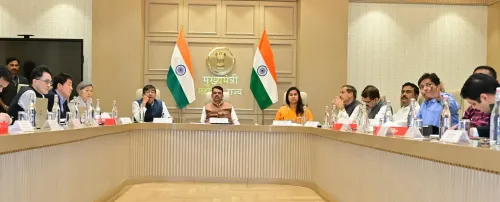
Chief Minister Devendra Fadnavis chaired a formal meeting with a JICA delegation at Varsha Bungalow, Mumbai on 6 November 2026 to advance the Marathwada Water Grid Project, with Minister Gulabrao Patil, MoS Meghna Bordikar, and JICA India Chief Representative Takeuchi Takuro in attendance.
Key Takeaways
CM Devendra Fadnavis chaired the JICA delegation meeting at Varsha Bungalow, Mumbai on 6 November 2026 at 2:15 pm .
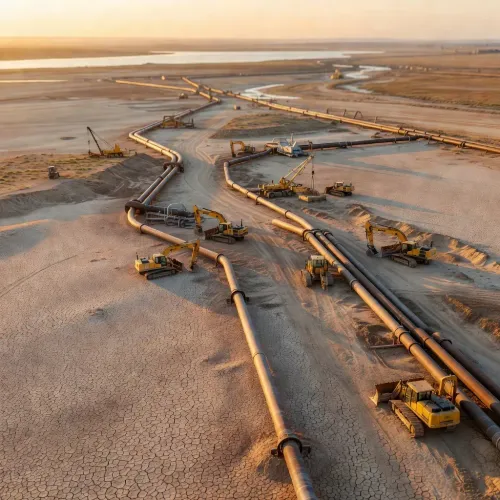
The meeting focused on the Marathwada Water Grid Project , an integrated water supply initiative for drought-prone Marathwada.
Takeuchi Takuro , Chief Representative of the JICA India office, led the Japanese delegation.
Water Supply Minister Gulabrao Patil attended online; MoS Meghna Bordikar was present in person.
JICA has supported Indian water supply and sanitation projects since the 1990s under Japan-India development cooperation.
No formal funding commitments or timelines from the meeting have been officially disclosed.
Drought has stalked Marathwada for decades — and on Friday, 6 November 2026, Maharashtra Chief Minister Devendra Fadnavis sat down with a high-level delegation from the Japan International Cooperation Agency (JICA) at Varsha Bungalow, Mumbai to advance one of the region's most consequential infrastructure bets: the Marathwada Water Grid Project.
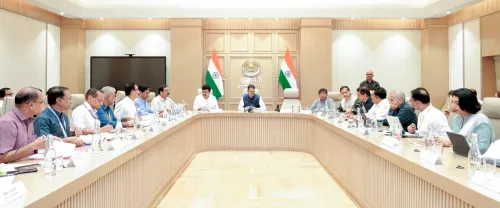
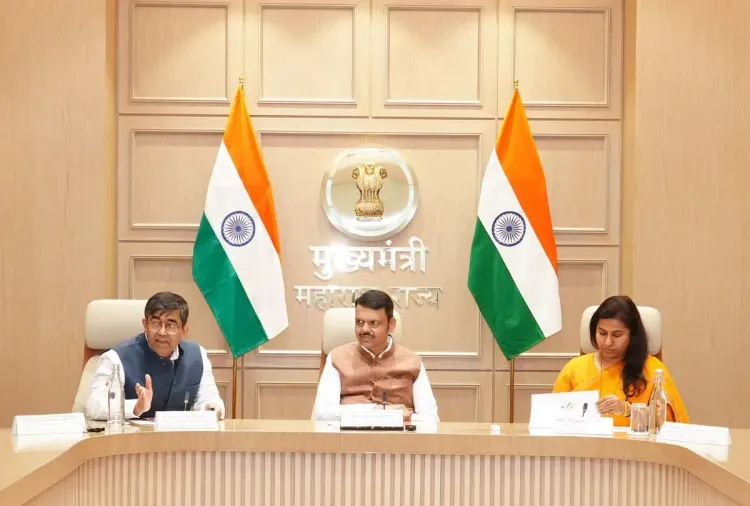
The 2:15 pm meeting, chaired by CM Fadnavis, brought together Water Supply Minister Gulabrao Patil (joining online), Minister of State Meghna Bordikar, and Takeuchi Takuro, Chief Representative of the JICA India office, alongside senior state and agency officials. The Chief Minister's Office confirmed the meeting via an official post, flagging it as a formal bilateral engagement — not a preliminary courtesy call.
What the Marathwada Water Grid is designed to do
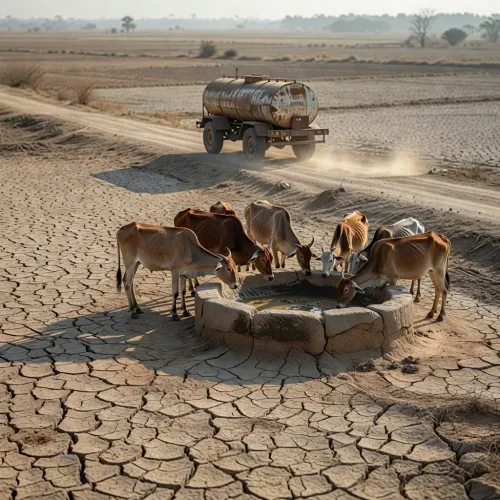
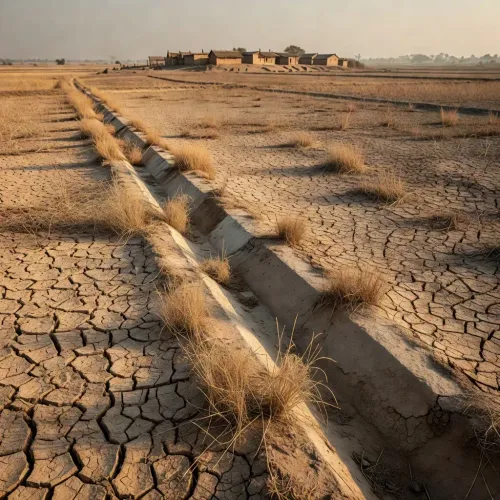
Marathwada — an eight-district belt in central Maharashtra covering areas such as Aurangabad (now Chhatrapati Sambhajinagar), Latur, Osmanabad, and Beed — is among India's most drought-exposed zones. Erratic rainfall, depleted reservoirs, and over-dependence on rain-fed agriculture have meant that water scarcity is not an occasional crisis here; it is a structural condition. The proposed Marathwada Water Grid is designed as an integrated network to channel water more reliably across these districts, reducing farmer distress and improving drinking-water access for millions of residents.
Maharashtra governments across administrations have repeatedly sought external financing for water infrastructure in the region, recognising that the scale of investment required outpaces state budgets alone. Bringing in JICA represents the most structured international push yet on this front.
JICA's track record and what India-Japan cooperation means here
JICA has been active in Indian water supply and sanitation projects since the 1990s, extending concessional loans and technical assistance under the broader Japan-India development cooperation framework. The agency has supported urban water and sewerage projects across multiple Indian states — experience that makes it a credible technical and financial partner for a large-scale grid of this nature.
Takeuchi Takuro's presence at the meeting as JICA India's Chief Representative signals that the engagement is being handled at the agency's senior-most in-country level. JICA typically moves through phased processes — feasibility studies, appraisal, formal loan agreement — before capital flows, meaning Friday's meeting likely falls within an early-to-mid-stage consultative arc.
Who stands to gain — and what comes next
The most direct beneficiaries of a functional Marathwada Water Grid would be the region's farmers and rural households, who have endured repeated cycles of tanker-dependent water supply and crop failures. A reliable grid could also reduce migration pressures that spike during drought years.
Specific funding commitments, project timelines, or feasibility conclusions from the 6 November meeting have not been officially disclosed. What to watch for: a formal project preparation report, a JICA appraisal mission announcement, or a state cabinet note on the grid's financing structure — any of which would signal the initiative moving from dialogue to execution.
Marathwada has waited long enough. The question now is whether this meeting marks the moment Japan's development machinery and Maharashtra's political will finally lock into the same gear.
Point of View
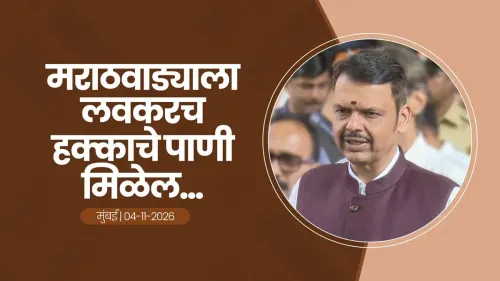
And the gap between a high-level meeting and a loan agreement can span years. For Fadnavis, moving this project from repeated announcements to actual groundwork would represent a durable legacy in a region that has historically delivered electoral pain to whichever government failed it. The involvement of a senior Japanese agency official also quietly elevates the project's diplomatic dimension, threading it into the broader India-Japan infrastructure partnership narrative.
NationPress
6 Nov 2026
Frequently Asked Questions
What is the Marathwada Water Grid Project?
The Marathwada Water Grid Project is a proposed integrated water supply network for the drought-prone Marathwada region of Maharashtra, designed to channel water reliably across its eight districts and reduce farmer distress and drinking-water shortages.
What is JICA and what is its role in this project?
JICA, the Japan International Cooperation Agency, is Japan's bilateral development aid body. It is engaged in discussions with the Maharashtra government as a potential technical and financial partner for the Marathwada Water Grid Project, drawing on its experience supporting water supply schemes across India since the 1990s.
Who attended the JICA meeting with CM Fadnavis on 6 November 2026?
The meeting at Varsha Bungalow, Mumbai included Water Supply Minister Gulabrao Patil (online), Minister of State Meghna Bordikar, JICA India Chief Representative Takeuchi Takuro, and senior state and agency officials.
Has any funding been approved for the Marathwada Water Grid Project?
No formal funding commitment or project timeline has been officially announced following the 6 November 2026 meeting. JICA typically proceeds through feasibility studies and appraisal before any loan agreement is signed.
Why does Marathwada need a water grid?
Marathwada faces chronic drought, depleted reservoirs, and heavy rain-fed agriculture dependence. A water grid would provide a more reliable supply network, reducing recurring water tanker dependence, crop failures, and migration during drought years.