Marathwada Water Grid Project: CM Fadnavis fast-tracks ₹25,056 crore plan for 10 million people
Synopsis
Maharashtra CM Devendra Fadnavis has pushed the accelerator on the ₹25,056 crore Marathwada Water Grid — a 3,095-km pipeline network backed by ₹20,000 crore in JICA loans that promises to end chronic drought for 10 million people across four districts by 2029. The scale is unprecedented for the region, and Japanese earthquake-resistant technology adds a rare layer of resilience for a seismically active zone.
Key Takeaways
CM Devendra Fadnavis directed acceleration of the Marathwada Water Grid Project on 6 November 2026 .
Total project cost: ₹25,056 crore across eight districts ; JICA to provide approximately ₹20,000 crore in loan assistance for the first phase.
Phase one covers Chhatrapati Sambhajinagar , Beed , Latur , and Dharashiv , with 3,095 km of pipelines and 15 water treatment plants.
An estimated 10 million citizens will directly benefit; project completion targeted for 2029 .
Japan's earthquake-resistant technology , ductile iron pipes, and a SCADA network will be used in seismically sensitive districts.
The Preliminary Project Report is to be submitted immediately to the Union Ministry of Finance's Department of Economic Affairs .
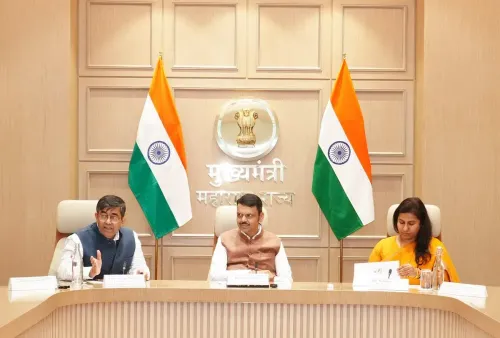
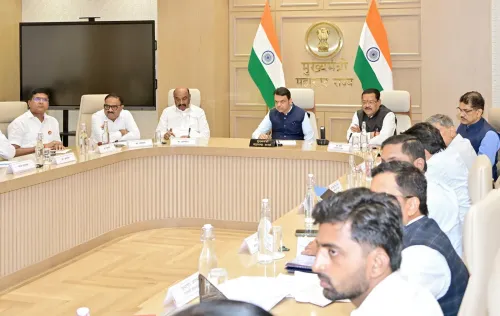
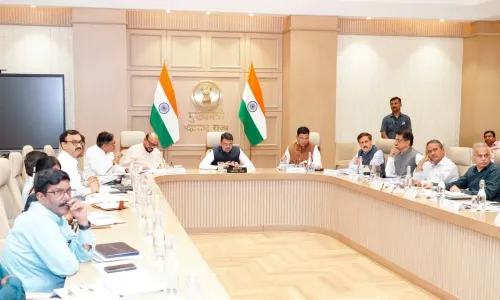
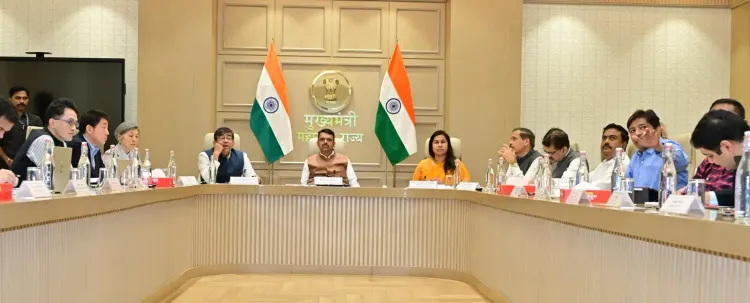
Maharashtra Chief Minister Devendra Fadnavis on Friday, 6 November 2026, directed officials to accelerate the Marathwada Water Grid Project, a ₹25,056 crore initiative designed to permanently end water scarcity across the drought-prone Marathwada region. The directives came during a high-level meeting chaired by Fadnavis at his official residence, 'Varsha', in Mumbai, attended by a senior delegation from the Japan International Cooperation Agency (JICA).
Key Directives from the Chief Minister
Fadnavis instructed that the Preliminary Project Report be uploaded immediately and processed swiftly for submission to the Union Ministry of Finance's Department of Economic Affairs. The meeting also reviewed the broader layout of the Marathwada Water Grid and various infrastructure initiatives being pursued under the Maharashtra-Japan bilateral cooperation framework. The appointment of a Project Management Consultant and preparation of the Detailed Project Report (DPR) are to be completed in coordination with JICA at the earliest.
What the Project Entails
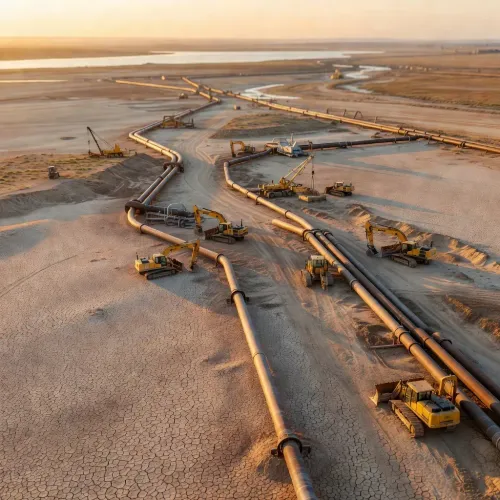
The core objective of the Water Grid is to transfer water from surplus dams to drought-prone reservoirs through a network of closed pipelines, with a two-way flow system being developed for this purpose. The first phase covers four districts — Chhatrapati Sambhajinagar, Beed, Latur, and Dharashiv — and will interconnect key reservoirs including Jayakwadi, Majalgaon, Manjara, Ujani, Lower Terna, and Lower Manar.
The phase involves laying nearly 3,095 kilometres of primary and secondary pipelines and establishing 15 water treatment plants, directly benefiting an estimated 10 million citizens. Full execution across all eight districts is planned for completion by 2029.
JICA Funding and Japanese Technology
JICA has responded favourably to providing loan assistance of approximately ₹20,000 crore for the first phase, out of a total project cost of ₹25,056 crore. Since Latur and Dharashiv fall within earthquake-prone zones, Japan's advanced earthquake-resistant construction technology will be deployed, including ductile iron pipes, modern pumping systems, and a SCADA network for real-time monitoring.
Notably, the project will also ensure a sustainable water supply to industries in Chhatrapati Sambhajinagar's AURIC City, Shendra-Bidkin, and Waluj industrial corridors, linking water security directly to industrial growth in the region.
Broader Maharashtra-Japan Collaboration
Beyond water infrastructure, the meeting also discussed joint ventures between Japanese companies and the Indian Institute of Creative Technologies (IICT) to position Maharashtra as a global hub in the Animation, Visual Effects, Gaming, and Comics (AVGC) sector. As part of this collaboration, the 'Manga Caravan' event is set to be hosted in Mumbai in February, a development welcomed by CM Fadnavis. He assured that the state government would continue to deepen its partnership with Japan across infrastructure, water supply, transportation, environment, and modern technology.
What Comes Next
This comes amid longstanding concerns over Marathwada's chronic water deficit, which has historically triggered distress migration and agrarian crises. With JICA funding largely secured and state-level clearances being expedited, the project's immediate milestone is the submission of the Preliminary Project Report to the Centre. If timelines hold, ground-level execution could begin in earnest in the coming months, with full completion targeted for 2029.
Point of View
000 crore JICA loan — is more credible than most state-level water schemes, which typically rely on uncertain budgetary allocations. The critical variable now is not money but institutional capacity: completing a 3,095-km pipeline network across eight districts in under three years would test even well-resourced agencies. The inclusion of SCADA monitoring and earthquake-resistant pipes for Latur and Dharashiv signals that lessons from the 1993 Killari earthquake have not been forgotten — but those design gains mean little if procurement and project management timelines slip. Maharashtra's past record on large irrigation projects, including several in Marathwada itself, warrants scrutiny of execution, not just ambition.
NationPress
6 Nov 2026
Frequently Asked Questions
What is the Marathwada Water Grid Project?
The Marathwada Water Grid Project is a ₹25,056 crore infrastructure initiative aimed at permanently ending water scarcity in Maharashtra's drought-prone Marathwada region. It will transfer water from surplus dams to deficit reservoirs through 3,095 km of closed pipelines across eight districts, benefiting an estimated 10 million people.
How much is JICA funding the Marathwada Water Grid?
The Japan International Cooperation Agency (JICA) has responded favourably to providing loan assistance of approximately ₹20,000 crore for the first phase of the project. The total project cost across all eight districts is approximately ₹25,056 crore.
Which districts are covered in the first phase of the project?
The first phase covers four districts — Chhatrapati Sambhajinagar, Beed, Latur, and Dharashiv. It will interconnect reservoirs including Jayakwadi, Majalgaon, Manjara, Ujani, Lower Terna, and Lower Manar through nearly 3,095 km of pipelines and 15 water treatment plants.
When will the Marathwada Water Grid be completed?
On-ground project execution is planned for completion by 2029. The immediate next step is the submission of the Preliminary Project Report to the Union Ministry of Finance's Department of Economic Affairs, followed by appointment of a Project Management Consultant and preparation of the Detailed Project Report (DPR).
Why is Japanese earthquake-resistant technology being used in the project?
Districts Latur and Dharashiv fall within earthquake-prone zones, making seismic resilience a construction priority. Japan's advanced earthquake-resistant technology, including ductile iron pipes, modern pumping systems, and a SCADA monitoring network, will be deployed to ensure the infrastructure withstands seismic activity.