CM Dhami Marks 12 Years of Modi Govt's Women Welfare Push
Synopsis
Uttarakhand Chief Minister Pushkar Singh Dhami marked twelve years of the Modi government by crediting four flagship schemes — Ujjwala, Beti Bachao Beti Padhao, Mudra, and Lakhpati Didi — with delivering historic gains in women's education, health, and economic self-reliance across India.
Key Takeaways
CM Pushkar Singh Dhami posted on 12 June 2026 under #12YearsOfNariShakti to mark a decade-plus of the Modi government's women-focused welfare drive.
Four schemes were specifically named: Pradhan Mantri Ujjwala Yojana (LPG for BPL women), Beti Bachao Beti Padhao (girl-child welfare), Pradhan Mantri Mudra Yojana (micro-credit up to Rs 10 lakh ), and Lakhpati Didi Yojana (Rs 1 lakh annual income target for SHG members).
Dhami described the current era as a 'golden chapter' of Nari Shakti — respect, security, and empowerment for women.
The schemes collectively target rural women, women entrepreneurs, and girl children — groups historically underserved by earlier welfare frameworks.
For Uttarakhand , high male out-migration makes schemes like Lakhpati Didi and Mudra especially significant for female economic participation.
Independent outcome data from the next National Family Health Survey and DAY-NRLM utilisation reports will be key benchmarks for assessing real-world impact.
Uttarakhand Chief Minister Pushkar Singh Dhami on Friday, 12 June 2026, credited Prime Minister Narendra Modi's twelve years in office with bringing 'unprecedented and historic transformation' in women's empowerment, citing four flagship central schemes that he said have collectively reshaped the lives of crores of women across India.
Context
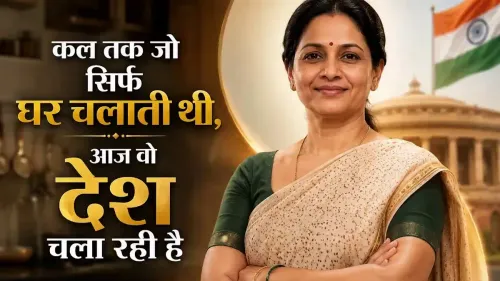
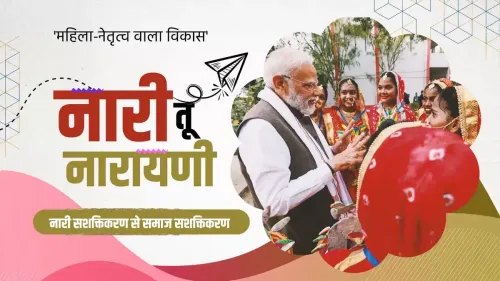
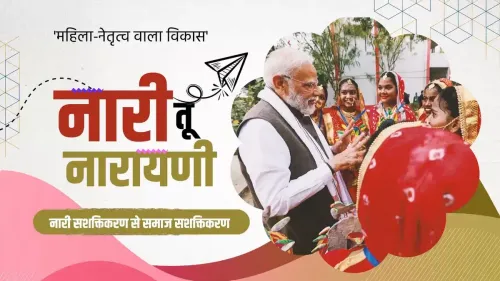
Posting under the hashtag #12YearsOfNariShakti, CM Dhami wrote that under PM Modi's 'visionary leadership and effective guidance', women today are not merely becoming self-reliant but are 'hoisting the flag of their talent, capability and leadership in every field' and playing a vital role in building a Viksit Bharat (Developed India). He described the current era as a 'golden chapter' of respect, security and empowerment for Nari Shakti (women's power).
The post names four schemes — Pradhan Mantri Ujjwala Yojana, Beti Bachao Beti Padhao, Pradhan Mantri Mudra Yojana, and Lakhpati Didi Yojana — as the pillars of this transformation, saying they have provided women with new opportunities in education, health, dignified living, economic self-reliance and self-employment.
Policy Backdrop
Pradhan Mantri Ujjwala Yojana, launched in May 2016, extended LPG connections to households headed by women living below the poverty line, aiming to replace biomass-based cooking and reduce indoor air pollution. Beti Bachao Beti Padhao, rolled out in January 2015, was designed to address a declining child sex ratio and promote girls' enrolment in schools.
Pradhan Mantri Mudra Yojana, started in April 2015, offers collateral-free micro-credit loans of up to Rs 10 lakh, with women borrowers accounting for a large share of its beneficiary base. Lakhpati Didi Yojana, operating under the Deendayal Antyodaya Yojana–National Rural Livelihoods Mission (DAY-NRLM), targets women in self-help groups with the goal of enabling each member to earn at least Rs 1 lakh per year through skill-linked livelihood activities.
These initiatives sit within a broader policy arc that dates to the National Policy for Empowerment of Women (2001) and was accelerated after 2014, when the NDA government listed women's safety, health and financial inclusion among its top budget priorities. Successive Union budgets have since expanded gender budgeting statements across ministries and routed more direct benefit transfers to women-headed accounts.
Stakeholders and Impact
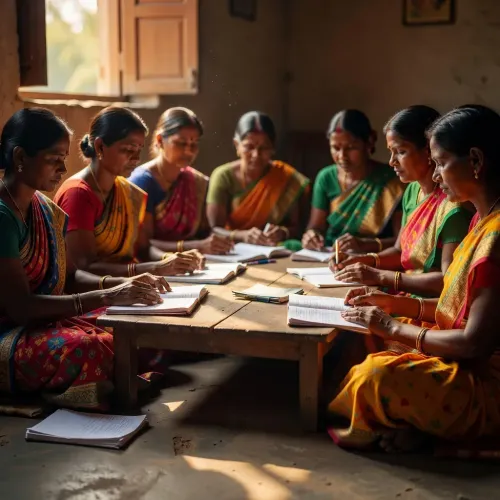
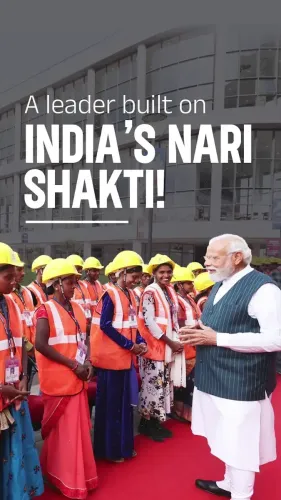
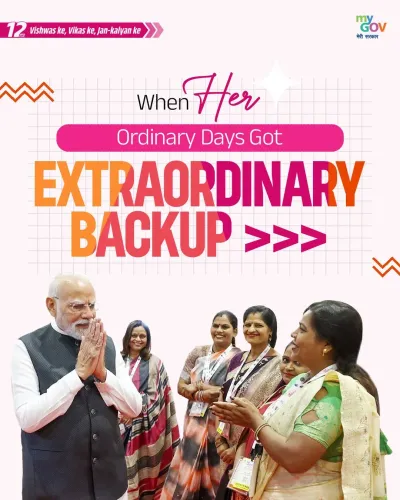
The primary beneficiaries of the schemes cited by CM Dhami span rural women, women entrepreneurs, and girl children — three groups that policy planners have historically identified as underserved by earlier welfare frameworks. Self-help group networks under DAY-NRLM now link millions of rural women to formal credit and market linkages, a model the Centre has positioned as a replicable template for state governments.
For Uttarakhand, a hill state with significant female labour-force participation in agriculture and handicrafts, schemes such as Lakhpati Didi and Mudra carry particular relevance given the high rate of male out-migration. State-level implementation of these central programmes has been a recurring theme in CM Dhami's public communications.
What's Next
Analysts tracking women's welfare outcomes will look to the next round of the National Family Health Survey and state-wise utilisation reports under DAY-NRLM in the 2026-27 budget session for independent data on whether the gains highlighted in political messaging are reflected in ground-level indicators. The #12YearsOfNariShakti framing suggests the BJP intends to consolidate this narrative as a core electoral and governance credential heading into future cycles. Whether scheme outcomes keep pace with the scale of the ambition articulated by leaders like CM Dhami will be the central question for evaluators and opposition critics alike.
Point of View
Reinforcing vertical party cohesion ahead of potential electoral cycles. While the schemes cited have documented reach, the post elides the distinction between scheme enrolment and substantive outcome improvement — a gap that independent surveys have repeatedly flagged. The broader pattern of gender-budgeting expansion since 2014 is real, but the political packaging of that record as a 'golden chapter' is a claim that will be tested by forthcoming data on indicators such as female labour-force participation and maternal health.
NationPress
25 Sept 2026
Frequently Asked Questions
What is Lakhpati Didi Yojana and who benefits from it?
Lakhpati Didi Yojana is a central government initiative under the Deendayal Antyodaya Yojana–National Rural Livelihoods Mission (DAY-NRLM) that aims to help women in self-help groups earn at least Rs 1 lakh per year through skill training and livelihood support. Rural women enrolled in SHGs are the primary beneficiaries.
What did CM Pushkar Singh Dhami say about PM Modi and women's empowerment?
CM Dhami said that under PM Modi's 'visionary leadership and effective guidance' over the past twelve years, unprecedented and historic changes have occurred in women's empowerment, with schemes like Ujjwala, Beti Bachao Beti Padhao, Mudra, and Lakhpati Didi bringing positive change to crores of women's lives.
When was Pradhan Mantri Ujjwala Yojana launched and what does it do?
Pradhan Mantri Ujjwala Yojana was launched in May 2016 to provide free LPG cooking-gas connections to households headed by women living below the poverty line, replacing hazardous biomass-based cooking and improving women's health.
What is Beti Bachao Beti Padhao and why was it started?
Beti Bachao Beti Padhao is a national campaign launched in January 2015 to address India's declining child sex ratio and improve girls' access to education. It combines awareness drives with direct interventions in districts with the lowest girl-child survival rates.
How does Pradhan Mantri Mudra Yojana help women entrepreneurs?
Pradhan Mantri Mudra Yojana, started in April 2015, provides collateral-free micro-credit loans of up to Rs 10 lakh to small and micro enterprises. Women borrowers have consistently made up a large share of Mudra loan accounts, using the credit for small businesses, trading, and service activities.