Kishan Reddy Marks 12 Years of Modi Govt's Women Empowerment Drive
Synopsis
Union Minister G. Kishan Reddy marked 12 years of the Modi government's women-led development push on June 12, 2026, spotlighting flagship schemes — Ujjwala, Mudra, Beti Bachao Beti Padhao — and the 2023 constitutional amendment reserving one-third of legislative seats for women under the Nari Shakti Vandan Adhiniyam.
Key Takeaways
Kishan Reddy , Union Minister of Coal and Mines, posted on June 12, 2026 to mark 12 years of the Modi government's Nari Shakti agenda.
Beti Bachao Beti Padhao (launched January 2015 ) targeted the child sex ratio and girls' education across India.
Pradhan Mantri Ujjwala Yojana (launched May 2016 ) delivered free LPG connections to women in below-poverty-line households.
Pradhan Mantri Mudra Yojana (launched April 2015 ) extended collateral-free micro-loans, with women entrepreneurs among the largest beneficiary groups.
The Nari Shakti Vandan Adhiniyam of 2023 constitutionally reserves one-third of Lok Sabha and state assembly seats for women, pending delimitation.
The BJP is positioning women's empowerment as a central narrative as the party marks its 12th year in government at the Centre.
Union Coal and Mines Minister G. Kishan Reddy on Friday, June 12, 2026, highlighted what he described as a 'transformative era of women-led development' under Prime Minister Narendra Modi's leadership, marking 12 years of the BJP-led NDA government's initiatives aimed at women's empowerment across India.
Context
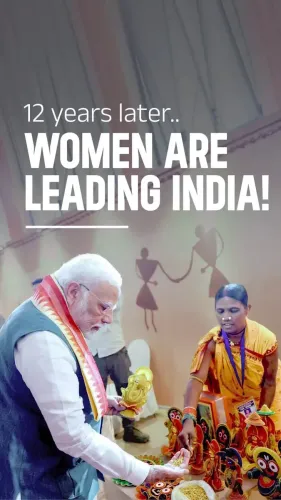
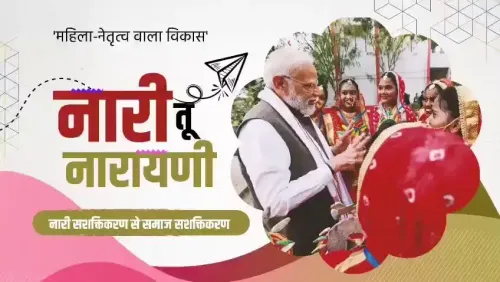
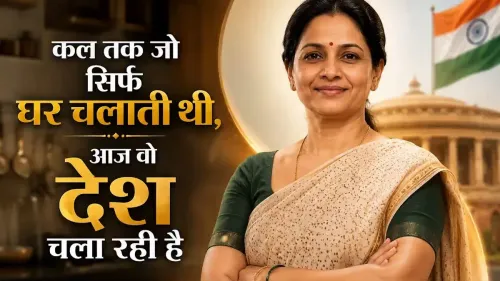
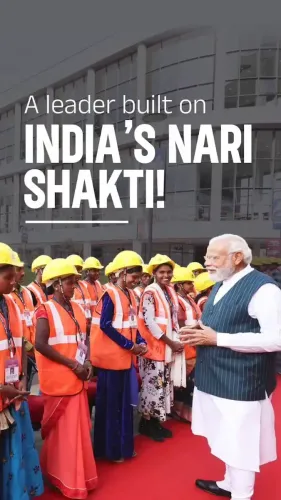
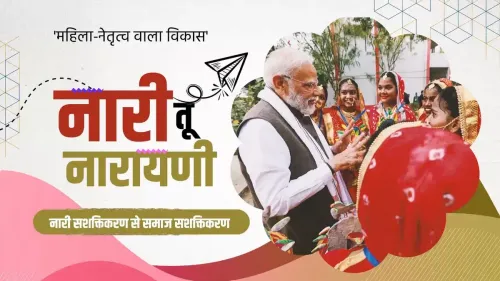
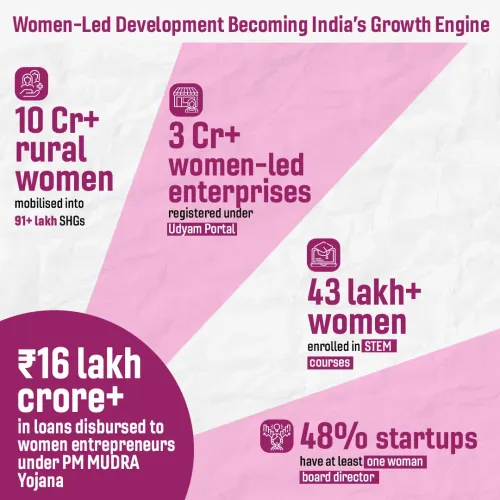
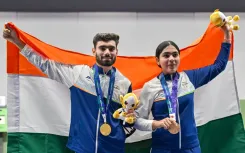
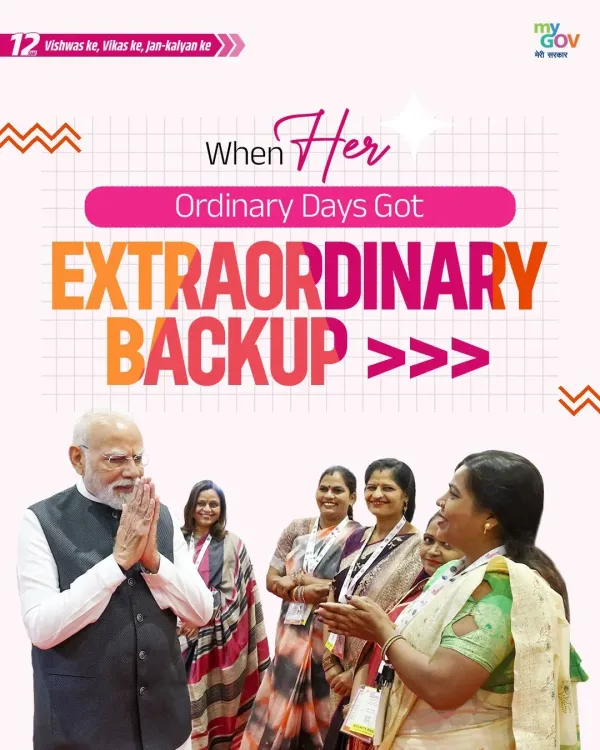
Reddy's post, shared under the hashtag #12YearsOfNariShakti, stated that empowerment has 'moved beyond policy into everyday reality,' citing gains in dignity, security, financial inclusion, education, entrepreneurship, governance, and leadership. He concluded that 'the story of New India is incomplete without the story of its Nari Shakti,' a phrase translating broadly to 'women's power' or 'women's strength.' The post was accompanied by an image offering what Reddy called 'glimpses of how ordinary days turned into extraordinary breakthroughs for women across the country.'
The timing coincides with the 12th anniversary of the Modi government's first term, which began in May 2014. The post is part of a coordinated BJP communication effort marking the milestone through the lens of women-centric governance.
Policy Backdrop
The NDA government's record on women's welfare spans several flagship schemes. Beti Bachao Beti Padhao, launched in January 2015, targeted the declining child sex ratio and sought to promote girls' education across districts. Pradhan Mantri Ujjwala Yojana, introduced in May 2016, provided free LPG connections to women heading below-poverty-line households, aiming to reduce dependence on polluting cooking fuels.
Pradhan Mantri Mudra Yojana, rolled out in April 2015, extended collateral-free micro-loans that have disproportionately benefited women entrepreneurs in the informal sector. Together, these schemes form the programmatic spine of what the government has branded its 'Nari Shakti' agenda. A landmark legislative step came in 2023 with the passage of the Nari Shakti Vandan Adhiniyam, a constitutional amendment reserving one-third of seats for women in the Lok Sabha and state assemblies.
Stakeholders and Impact
The primary beneficiaries of these schemes have been rural women, women entrepreneurs, and female students — groups that have historically faced structural barriers to economic and political participation. Ujjwala, for instance, targeted households where women bore the health burden of biomass-based cooking, while Mudra's collateral-free credit model opened formal finance to women-run micro-enterprises that lacked land or asset titles to offer as security.
Critics and independent assessors have at various points raised questions about ground-level implementation gaps — including cylinder refill rates under Ujjwala and the pace of activating the women's reservation law — but the government has consistently maintained that the overall trajectory of women's welfare indicators has improved over the decade. Reddy's post does not cite specific statistics, framing the message instead through qualitative milestones.
What's Next
The immediate policy question surrounding women's empowerment remains the operationalisation of the Nari Shakti Vandan Adhiniyam, which is linked to the completion of delimitation of parliamentary and assembly constituencies. Until delimitation is finalised, the reservation cannot take effect, making its electoral timeline a closely watched issue. State-level implementation reports on Ujjwala and Mudra coverage for 2025-26 are also expected to provide a clearer picture of last-mile reach. Reddy's post signals that the BJP intends to keep women's empowerment as a central plank of its political narrative heading into the next electoral cycle.
Point of View
The messaging prioritises emotional resonance over auditable metrics, a pattern consistent with the party's broader anniversary communications. The unresolved question of when the women's reservation law will actually take effect — contingent on delimitation — remains a potential vulnerability in this narrative. As state elections approach, the gap between legislative intent and electoral implementation of the Nari Shakti Vandan Adhiniyam is likely to sharpen as a point of political contestation.
NationPress
25 Sept 2026
Frequently Asked Questions
What is the Nari Shakti Vandan Adhiniyam?
The Nari Shakti Vandan Adhiniyam is a constitutional amendment passed in 2023 that reserves one-third of seats in the Lok Sabha and state legislative assemblies for women. It will come into effect after the completion of delimitation of constituencies.
What is the Pradhan Mantri Ujjwala Yojana?
Pradhan Mantri Ujjwala Yojana is a central government scheme launched in May 2016 that provides free LPG cooking gas connections to women heading households below the poverty line, aiming to replace polluting biomass fuels with clean energy.
What is Beti Bachao Beti Padhao?
Beti Bachao Beti Padhao is a flagship scheme launched in January 2015 to address the declining child sex ratio in India and to promote the education and welfare of the girl child through targeted district-level interventions.
How has the Modi government supported women entrepreneurs?
The Pradhan Mantri Mudra Yojana , launched in April 2015 , offers collateral-free micro-loans to small and micro enterprises, with women entrepreneurs being among the largest beneficiary groups as it removes the barrier of needing land or assets as security.
Why is G. Kishan Reddy posting about women's empowerment?
G. Kishan Reddy , Union Minister of Coal and Mines and BJP Telangana state president, posted on June 12, 2026 as part of the BJP's communication marking 12 years of the Modi government, using the hashtag #12YearsOfNariShakti to highlight the ruling party's record on women's welfare.