Rijiju Marks 12 Years of Nari Shakti Under Modi Govt
Synopsis
Union Minister Kiren Rijiju marks 12 years of Modi government women-empowerment policies, framing Indian women as agents of national transformation through Ujjwala, Jan Dhan, Mudra and the Nari Shakti Vandan Adhiniyam.
Key Takeaways
Kiren Rijiju posted on June 12, 2026 under #12YearsOfNariShakti , celebrating a decade-plus of gender-focused governance.
PM Ujjwala Yojana (launched May 2016 ) provided free LPG connections to below-poverty-line women, reducing indoor air pollution.
Pradhan Mantri Jan Dhan Yojana (launched August 2014 ) brought women into formal banking for the first time at scale.
Pradhan Mantri Mudra Yojana (launched April 2015 ) extended micro-credit to women entrepreneurs in small and micro enterprises.
Nari Shakti Vandan Adhiniyam (enacted September 2023 ) reserves 33 percent of Lok Sabha and state assembly seats for women, pending delimitation.
The minister's framing positions women as 'architects of Viksit Bharat' — a shift from welfare recipients to active nation-builders.
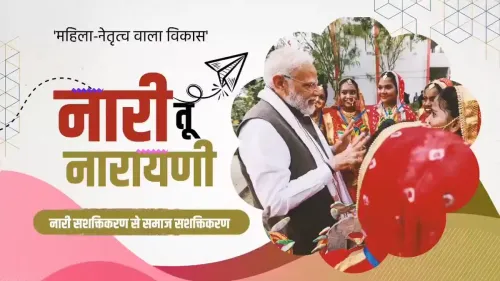
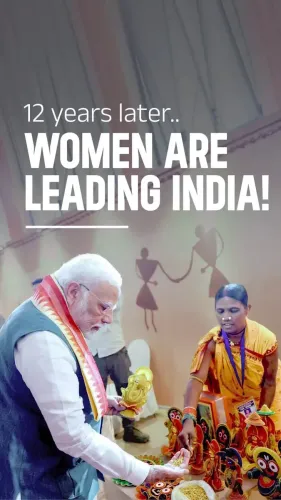
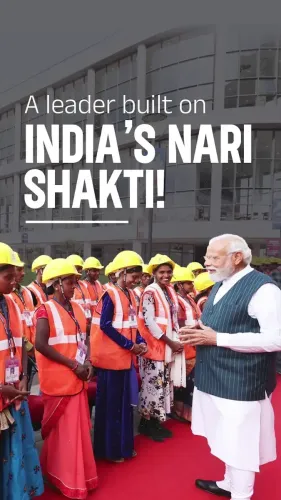
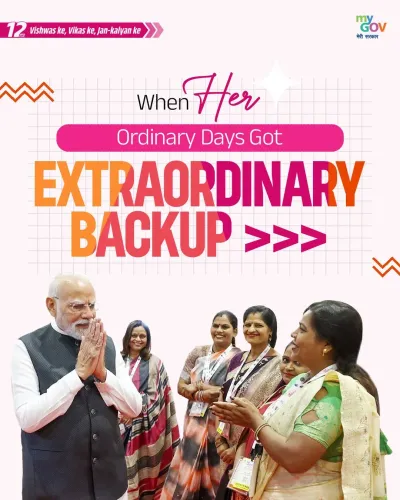
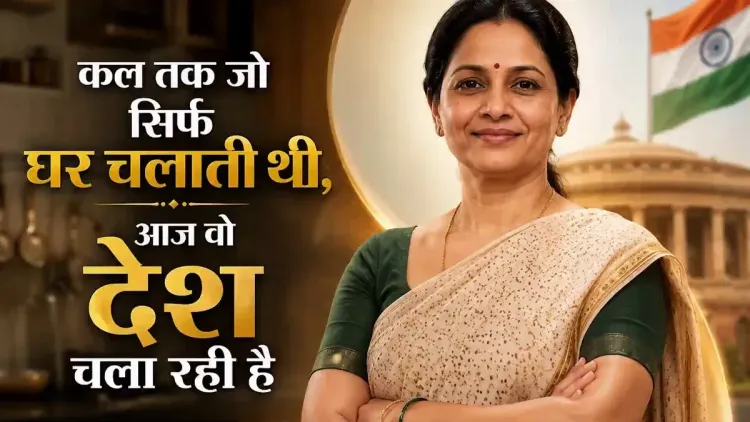
Union Parliamentary Affairs Minister Kiren Rijiju on Friday, June 12, 2026, hailed Indian women as the 'brand ambassadors of change in New India,' citing 12 years of welfare and empowerment schemes under the Narendra Modi government that have repositioned women from beneficiaries to drivers of national transformation.
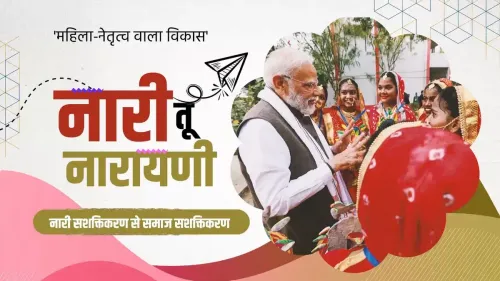
Posting under the hashtag #12YearsOfNariShakti, Rijiju wrote: 'बदलाव की ब्रांड एम्बेसडर: नए भारत की नारी' ('Brand ambassadors of change: the women of New India'), adding that women who once only managed households are today shaping India's future.
Context
The post marks what the ruling Bharatiya Janata Party frames as a 12-year arc of gender-focused governance since 2014. Rijiju specifically cited four pillars: freedom from smoke through PM Ujjwala Yojana, financial empowerment through Jan Dhan accounts, entrepreneurship through Mudra Yojana, and political participation through the Nari Shakti Vandan Adhiniyam. The minister's framing positions these as a cumulative, interlocking policy architecture rather than standalone schemes.
Policy Backdrop
Pradhan Mantri Ujjwala Yojana, launched in May 2016, provided free LPG connections to below-poverty-line households, directly targeting women burdened by indoor cooking smoke. Pradhan Mantri Jan Dhan Yojana, rolled out in August 2014, brought unbanked citizens — with a priority focus on women — into the formal financial system.
Pradhan Mantri Mudra Yojana, initiated in April 2015, extended micro-credit to small and non-corporate enterprises, with women entrepreneurs among its primary borrowers. The Nari Shakti Vandan Adhiniyam, enacted by Parliament in September 2023, reserved 33 percent of seats for women in the Lok Sabha and state assemblies — marking a structural shift from economic to political inclusion.
Stakeholders and Impact
The schemes collectively target rural women and women entrepreneurs across income brackets. Ujjwala and Jan Dhan are aimed primarily at households below the poverty line, while Mudra's micro-loan framework has enabled women-led micro and small businesses in both rural and semi-urban settings. The Nari Shakti Vandan Adhiniyam, once delimitation follows a fresh census, is expected to significantly increase the number of women legislators at the national and state levels.
Rijiju's post, framed around the 'Viksit Bharat' development narrative, signals that the government views gender-targeted programming as central — not peripheral — to its long-term national development vision. The minister's choice to highlight political reservation alongside welfare schemes underscores the argument that empowerment must translate into representation.
What's Next
The practical trigger for women's political reservation under the Nari Shakti Vandan Adhiniyam remains the completion of the next national census and the subsequent delimitation exercise — timelines that are yet to be formally confirmed. Periodic data on Mudra loan disbursements and Ujjwala connection renewals will continue to serve as benchmarks for measuring the depth of economic empowerment on the ground. As the BJP approaches the anniversary milestone, expect further institutional communication reinforcing the '12 years of Nari Shakti' messaging ahead of upcoming state electoral cycles.
Point of View
Timed to consolidate a 12-year narrative around women's welfare and political empowerment under the BJP. By linking welfare delivery (Ujjwala, Jan Dhan, Mudra) with constitutional change (Nari Shakti Vandan Adhiniyam), the messaging attempts to present a continuum from economic inclusion to political power. The 'Viksit Bharat' overlay signals that gender policy is being embedded into the ruling party's long-term national branding. The post also serves as a pre-emptive counter to criticism that women's political reservation remains unimplemented, by foregrounding the passage of the Act itself as an achievement.
NationPress
25 Sept 2026
Frequently Asked Questions
What is the Nari Shakti Vandan Adhiniyam?
The Nari Shakti Vandan Adhiniyam, passed by Parliament in September 2023, reserves 33 percent of seats for women in the Lok Sabha and state legislative assemblies. It will come into effect after the next national census and delimitation exercise.
What is PM Ujjwala Yojana and who benefits from it?
PM Ujjwala Yojana, launched in May 2016, provides free LPG cooking gas connections to households below the poverty line, with women as the primary beneficiaries. It aims to reduce health hazards from indoor cooking smoke in rural homes.
How does Jan Dhan Yojana help women in India?
Pradhan Mantri Jan Dhan Yojana, rolled out in August 2014, opened zero-balance bank accounts for previously unbanked citizens, prioritising women. It enables direct benefit transfers, savings, and access to formal credit for rural and low-income women.
What is Mudra Yojana and how does it support women entrepreneurs?
Pradhan Mantri Mudra Yojana, initiated in April 2015, provides micro-loans to small and non-corporate businesses without collateral. Women entrepreneurs are among its core target groups, enabling them to start or expand micro and small enterprises.
Why is Kiren Rijiju posting about Nari Shakti in 2026?
Kiren Rijiju's post marks what the BJP government describes as 12 years of women-empowerment policies since 2014. The #12YearsOfNariShakti campaign frames the anniversary as a milestone in the government's 'Viksit Bharat' development narrative.