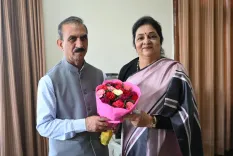
CM Rekha Gupta Hails Modi Govt's 12 Years of Women Welfare
Synopsis
Delhi Chief Minister Rekha Gupta praised PM Narendra Modi's 12-year record on women's welfare, citing Ujjwala, Swachh Bharat, Jan Dhan and Mudra as transformative schemes that have elevated crores of Indian women from household beneficiaries to active nation-builders.
Key Takeaways
Delhi CM Rekha Gupta posted on 12 June 2026 praising PM Modi's 12 years of women-centric governance under the hashtag #12YearsOfNariShakti .
Pradhan Mantri Ujjwala Yojana (launched May 2016 ) provided LPG connections to BPL households, freeing women from indoor smoke pollution.
Swachh Bharat Mission (launched October 2014 ) built household toilets, improving safety and dignity for women and girls.
Pradhan Mantri Jan Dhan Yojana (launched August 2014 ) enabled financial inclusion and direct benefit transfers for women.
Pradhan Mantri Mudra Yojana (launched April 2015 ) provided collateral-free micro-credit, with significant uptake among women entrepreneurs.
Gupta described Indian women as now active across 'science labs, fighter cockpits, farms and startups,' calling them the 'greatest strength of Viksit Bharat.'
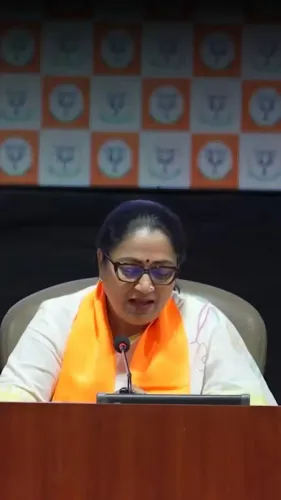
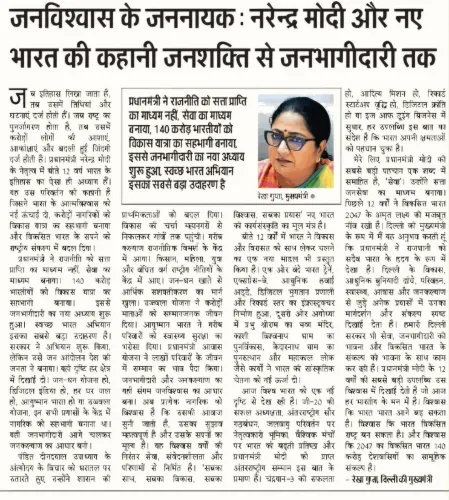
Delhi Chief Minister Rekha Gupta on Friday, 12 June 2026, praised the Narendra Modi-led central government for what she described as a transformative decade-plus of welfare and empowerment initiatives for women across India, marking the occasion with the hashtag #12YearsOfNariShakti.
Context
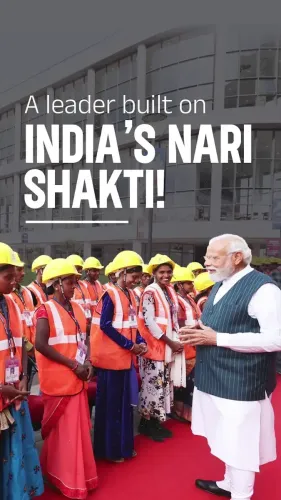
Posting on X, CM Gupta credited Prime Minister Narendra Modi with placing 'women's honour, safety and empowerment at the centre of nation-building.' She wrote that under his leadership over the past 12 years, the lives of 'crores of mothers, sisters and daughters' had been transformed through 'sensitive governance and visionary thinking.'
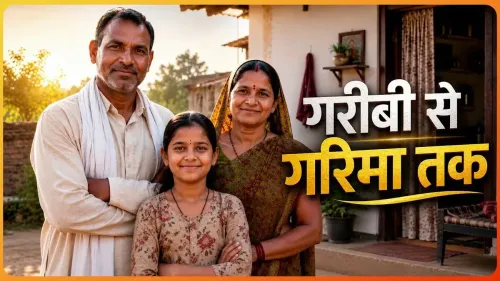
The post invokes four flagship central schemes — Pradhan Mantri Ujjwala Yojana, Swachh Bharat Mission, Pradhan Mantri Jan Dhan Yojana, and Pradhan Mantri Mudra Yojana — as pillars of this change. Gupta wrote: 'Jab Ujjwala ne maataon ko dhuein se mukti di' ('When Ujjwala freed mothers from smoke'), sanitation gave daughters dignity, Jan Dhan connected sisters to financial self-reliance, and Mudra gave their dreams 'a new flight.'
Policy Backdrop
Pradhan Mantri Ujjwala Yojana, launched in May 2016, provided LPG connections to below-poverty-line households, directly reducing indoor air pollution that disproportionately affected women. The Swachh Bharat Abhiyan, begun in October 2014, built household toilets nationwide, addressing both sanitation and the safety and dignity of women and girls.
Pradhan Mantri Jan Dhan Yojana, started in August 2014, opened bank accounts for unbanked citizens and became a conduit for direct benefit transfers to women. Pradhan Mantri Mudra Yojana, introduced in April 2015, offered collateral-free micro-credit loans to small entrepreneurs, with women accounting for a significant share of borrowers.
Since 2014, the central government has consistently framed gender-focused welfare programmes as instruments of both social transformation and economic growth, linking household-level interventions to national development indicators such as female labour-force participation and entrepreneurship.
Stakeholders and Impact
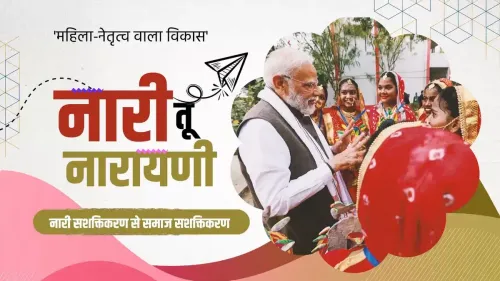
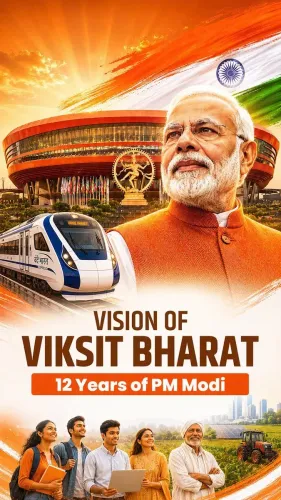
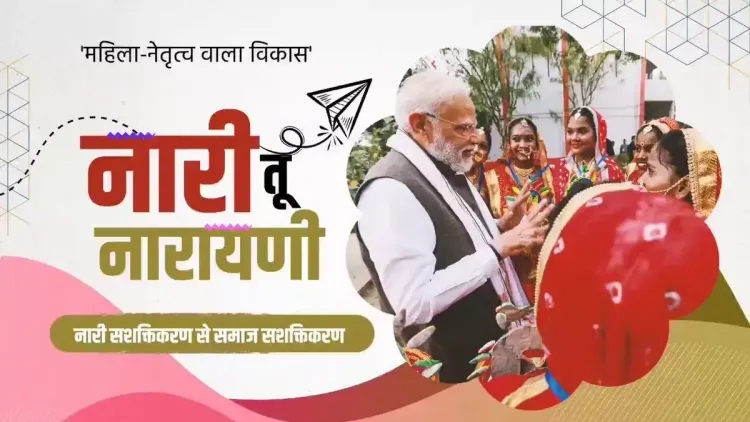
CM Gupta highlighted that Indian women today are making their presence felt 'from science laboratories to fighter aircraft cockpits, from fields to startups' — positioning them as the 'greatest strength of Viksit Bharat' (Developed India). The post's imagery is deliberate: it ties rural welfare recipients to urban professionals and defence personnel in a single national narrative.
The primary beneficiaries of the cited schemes are rural women and women micro-entrepreneurs, particularly those from economically weaker sections. The broader political argument frames welfare spending not merely as social support but as an investment in national productivity and growth.
What's Next
The #12YearsOfNariShakti hashtag suggests a coordinated BJP communications effort to mark the party's governance anniversary with a focus on women's welfare as a defining achievement. Analysts will watch for the release of periodic scheme evaluation reports and female labour-force participation data in upcoming economic surveys, which will provide independent benchmarks against the claims being amplified by party leaders.
With Delhi under BJP governance and national politics in focus, statements of this nature from senior leaders like CM Rekha Gupta are likely to intensify as the party builds its record-based narrative ahead of future electoral cycles.
Point of View
The party attempts to claim ownership of India's gender-progress story across class lines. The timing under a #12YearsOfNariShakti hashtag signals a coordinated anniversary messaging campaign rather than a spontaneous endorsement. For political analysts, the key test will be whether independent labour-force and scheme-utilisation data released in subsequent economic surveys corroborates the scale of transformation being claimed.
NationPress
25 Sept 2026
Frequently Asked Questions
What is #12YearsOfNariShakti about?
#12YearsOfNariShakti is a BJP social-media campaign marking 12 years of the Modi government's women-focused welfare schemes, including Ujjwala, Jan Dhan, Mudra and Swachh Bharat. Delhi CM Rekha Gupta used the hashtag on 12 June 2026 to highlight these programmes.
What did Delhi CM Rekha Gupta say about PM Modi and women's welfare?
CM Rekha Gupta credited PM Narendra Modi with transforming the lives of crores of mothers, sisters and daughters through sensitive governance, citing Ujjwala, Swachh Bharat, Jan Dhan and Mudra as key schemes that gave women clean fuel, sanitation, financial access and entrepreneurship support.
What is Pradhan Mantri Ujjwala Yojana and how does it help women?
Pradhan Mantri Ujjwala Yojana, launched in May 2016, provides free LPG cooking-gas connections to below-poverty-line households. It directly benefits women by reducing exposure to harmful indoor smoke from traditional chulhas (cooking stoves).
How has Jan Dhan Yojana helped women in India?
Pradhan Mantri Jan Dhan Yojana, started in August 2014, opened bank accounts for previously unbanked citizens. Women have been primary beneficiaries, gaining access to direct government benefit transfers, savings facilities and formal financial services.
What is Pradhan Mantri Mudra Yojana and who benefits?
Pradhan Mantri Mudra Yojana, introduced in April 2015, offers collateral-free micro-credit loans to small and micro-entrepreneurs. Women entrepreneurs have been among the largest borrowers under the scheme, using the credit to start or expand small businesses.