CM Rekha Gupta Marks 12 Years of Modi Government
Synopsis
Delhi Chief Minister Rekha Gupta marked PM Narendra Modi's 12-year tenure on 26 May 2026, praising flagship schemes including Ujjwala Yojana, Ayushman Bharat, and Digital India, while invoking the Viksit Bharat 2047 vision and cultural milestones such as the Ayodhya Ram Lalla consecration.
Key Takeaways
Delhi CM Rekha Gupta posted a detailed tribute to PM Narendra Modi on his completing 12 years as Prime Minister on 26 May 2026 .
She credited the Swachh Bharat Abhiyan (launched 2014 ) with turning public sanitation into a national movement through mass participation.
Pradhan Mantri Ujjwala Yojana (inaugurated 1 May 2016 ) was cited for bringing clean cooking fuel and dignity to crores of women from poor households.
Ayushman Bharat , Har Ghar Jal , Digital India , and DBT were highlighted as programmes that extended development to the most marginalised citizens.
Cultural milestones — Kashi Vishwanath Dham redevelopment and the Ram Lalla Pran Pratishtha on 22 January 2024 — were presented as symbols of combining heritage with development.
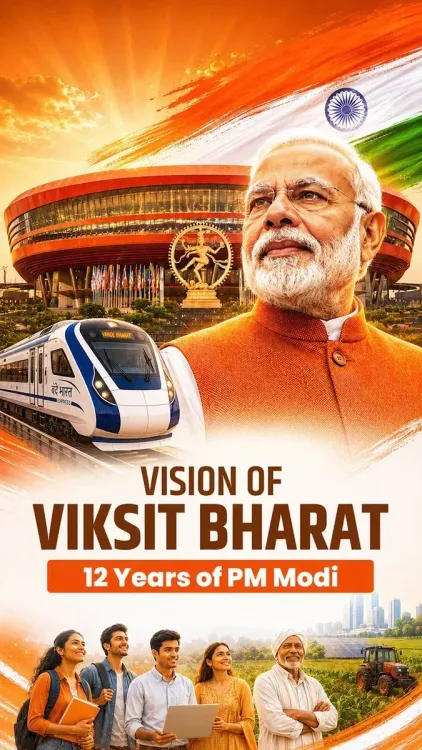
CM Gupta invoked the Viksit Bharat 2047 framework, calling for continued momentum toward a developed India.
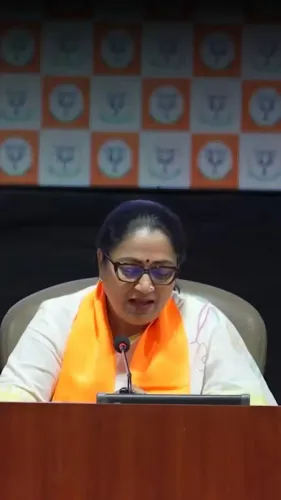
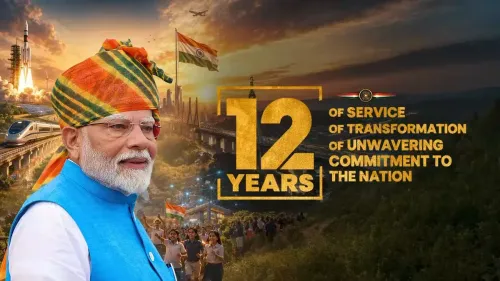
Delhi Chief Minister Rekha Gupta on Tuesday, 26 May 2026, congratulated Prime Minister Narendra Modi on completing 12 years in office, calling it a historic tenure defined by welfare, good governance, and public trust. In a detailed post on X, she credited the Modi government with placing the poor at the centre of governance and advancing a 'Nation First' resolve across policy domains.
Context
Narendra Modi was first sworn in as Prime Minister on 26 May 2014 following the BJP-led NDA's general election victory, completing a full 12-year arc by this date. CM Gupta framed the milestone in cultural and developmental terms, writing that India had adopted 'seva, sushasan aur janvishwas ki nayi karya-sanskriti' — 'a new work culture of service, good governance, and public trust' — under his leadership.
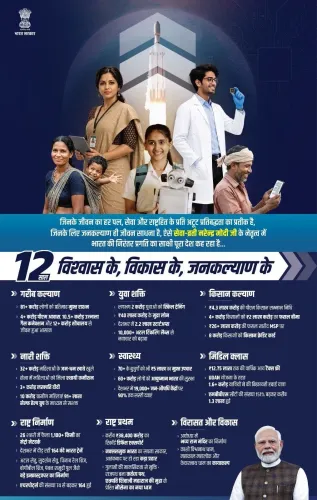
Her tribute enumerated a sweep of flagship programmes spanning sanitation, clean energy, health, digital infrastructure, and religious heritage revival, reflecting the BJP's standard narrative for the anniversary, widely marked under the hashtag #12YearsOfSeva.
Policy Backdrop
The schemes cited by CM Gupta span the full 12-year period. The Swachh Bharat Abhiyan, launched on 2 October 2014, sought universal sanitation coverage by mobilising public participation as a national movement. The Pradhan Mantri Ujjwala Yojana, inaugurated on 1 May 2016 in Ballia, Uttar Pradesh, provided LPG connections to poor households, with CM Gupta noting it 'added a new chapter of dignity and convenience in the lives of crores of mothers.'
She also highlighted Ayushman Bharat (launched 2018), Digital India (from 2015), Har Ghar Jal, and Direct Benefit Transfer (DBT) as mechanisms that carried development 'to the last person in the queue.' On infrastructure, she pointed to advances in railways, highways, airports, digital networks, and space technology as evidence of India reaching 'new heights.'
The post also invoked cultural milestones: the redevelopment of Kashi Vishwanath Dham in Varanasi and the Ram Lalla Pran Pratishtha ceremony at Ayodhya on 22 January 2024, presenting them as proof that 'India has shown a new path of carrying development and heritage together.'
Stakeholders and Impact
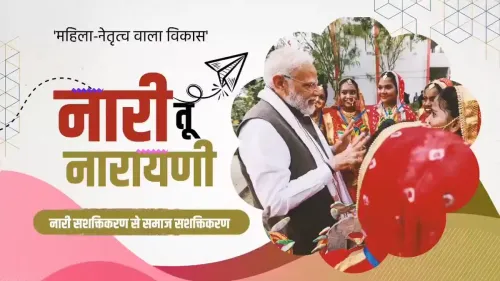
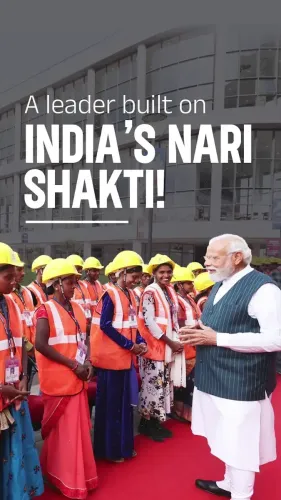
The beneficiary groups named or implied in CM Gupta's tribute include poor households reached by DBT, women empowered through Ujjwala Yojana and the government's Women Led Development vision, and the Indian youth driving innovation through startups. She argued that the world now views India not merely as a market but as a 'trusted partner and global growth engine.'
The Viksit Bharat (Developed India) framework, which targets transformational development by 2047, underpins the forward-looking rhetoric in the post. Urban local bodies, rural communities without prior sanitation or cooking-gas access, and uninsured families are among the groups the cited schemes were designed to serve.
What's Next
With the Viksit Bharat 2047 roadmap still unfolding, upcoming Union Budgets and NITI Aayog reviews are expected to carry progress benchmarks on the schemes CM Gupta highlighted. CM Gupta closed her post with a wish: 'May this Amrit Kaal of Viksit Bharat continue to move forward with the same momentum, the same pride, and the same public trust under the leadership of the honourable Prime Minister.' The anniversary marks a moment for the BJP to consolidate its governance narrative ahead of future electoral cycles, with Delhi itself a key political battleground.
Point of View
Infrastructure gains, and cultural milestones to construct a coherent 12-year governance narrative. By linking economic inclusion programmes such as Ujjwala and Ayushman Bharat with heritage projects like Kashi Vishwanath Dham and the Ayodhya consecration, the tribute reflects the party's deliberate strategy of fusing developmental and civilisational themes. The invocation of 'Women Led Development' and youth-driven startups signals an attempt to broaden the appeal beyond traditional welfare optics. As the Viksit Bharat 2047 deadline approaches, such milestone communications also serve to set benchmarks against which the government will increasingly be measured.
NationPress
12 Oct 2026
Frequently Asked Questions
When did Narendra Modi complete 12 years as Prime Minister?
Narendra Modi completed 12 years as Prime Minister on 26 May 2026, having first been sworn in on 26 May 2014 after the BJP-led NDA's general election victory.
What is Viksit Bharat 2047?
Viksit Bharat 2047 is the Indian government's long-term vision to transform India into a fully developed nation by the centenary of its independence in 2047, encompassing goals across infrastructure, welfare, and economic growth.
What did Delhi CM Rekha Gupta say about Modi's 12 years?
Delhi CM Rekha Gupta praised PM Modi's 12-year tenure for placing the poor at the centre of governance, advancing schemes like Ujjwala Yojana and Ayushman Bharat, and combining development with cultural heritage revival.
What is the Pradhan Mantri Ujjwala Yojana?
Pradhan Mantri Ujjwala Yojana is an LPG connection scheme launched on 1 May 2016 in Ballia, Uttar Pradesh, aimed at providing clean cooking fuel to poor households, particularly benefiting women.
What was the Ram Lalla Pran Pratishtha ceremony?
The Ram Lalla Pran Pratishtha was the consecration ceremony of the Ram Lalla idol at the newly built temple in Ayodhya, held on 22 January 2024, which CM Gupta cited as a landmark cultural milestone of the Modi government.