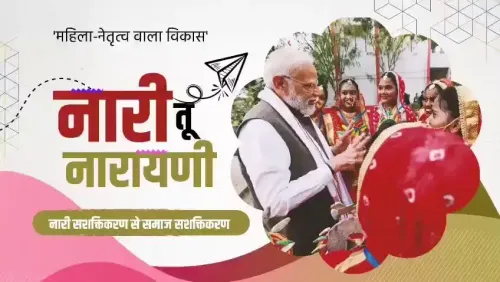
Puri hails 12 years of Modi govt schemes empowering women
Synopsis
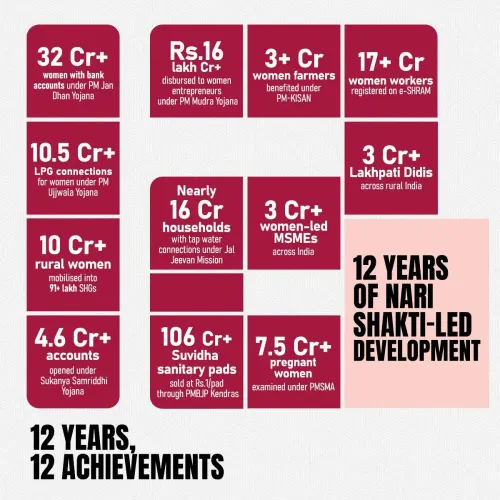
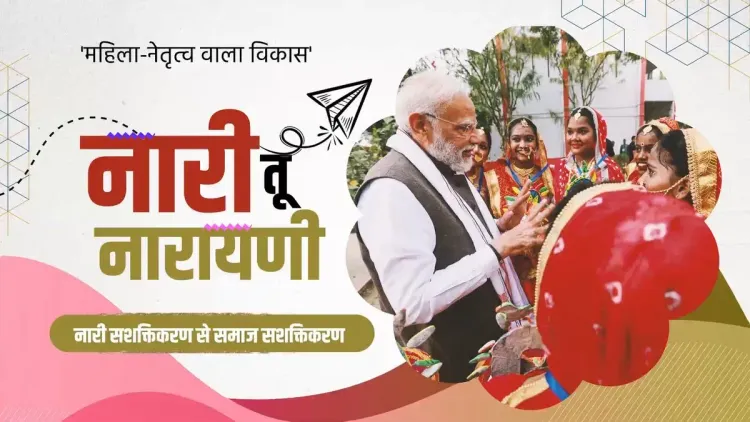
Petroleum Minister Hardeep Singh Puri on 12 June 2026 used the #12YearsOfNariShakti milestone to argue that PM Modi's flagship schemes — Ujjwala, Jan Dhan, Awas Yojana, Lakhpati Didi, and SVANidhi — have shifted Indian women from welfare recipients to economic leaders.
Key Takeaways
Hardeep Singh Puri posted on 12 June 2026 marking 12 years of the Modi government's women-focused welfare agenda under #12YearsOfNariShakti .
The Pradhan Mantri Ujjwala Yojana (launched May 2016 ) provided clean LPG fuel to millions of women from below-poverty-line households, addressing indoor air pollution and health risks.
The Pradhan Mantri Jan Dhan Yojana (launched August 2014 ) brought crores of previously unbanked women into the formal banking system with individual accounts.
The Pradhan Mantri Awas Yojana (launched 2015 ) mandated women's or joint ownership of allotted homes, extending property rights alongside housing access.
The Lakhpati Didi initiative under DAY-NRLM targets women in self-help groups to cross an annual household income of Rs 1 lakh through enterprise support.
The PM SVANidhi scheme (launched June 2020 ) extended collateral-free working-capital credit to women street vendors to sustain micro-businesses.
Union Petroleum Minister Hardeep Singh Puri on Friday, 12 June 2026 invoked a series of flagship central welfare programmes to argue that women have been repositioned — under Prime Minister Narendra Modi's government — from passive beneficiaries to primary drivers of India's economic growth, marking what he called 12 years of Nari Shakti.
Context
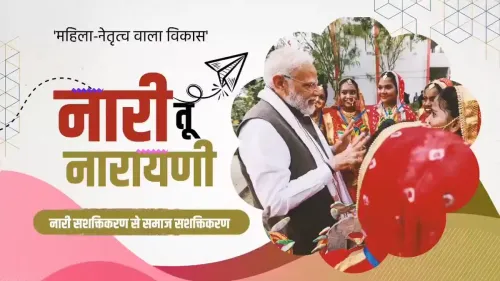
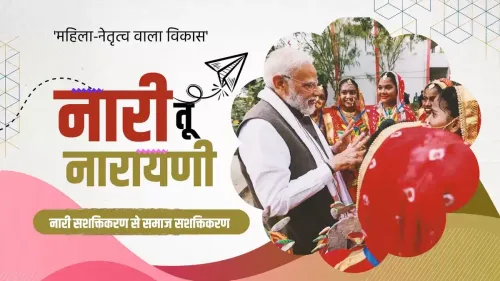
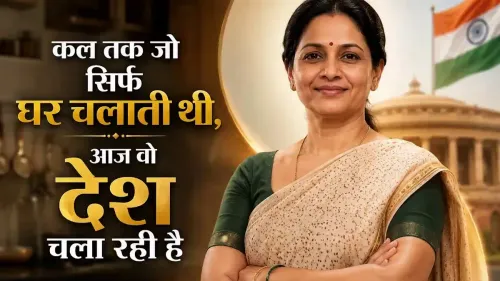
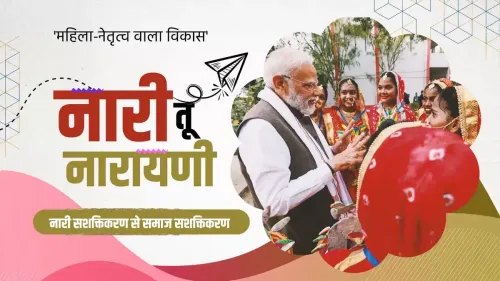
Posting in Hindi on X, Puri wrote: 'आज भारत की नारी केवल घर की शक्ति नहीं, वह अर्थव्यवस्था की शक्ति है, विकास की शक्ति है' — 'Today India's woman is not merely the strength of the home; she is the strength of the economy, the strength of development.' He added that any nation's progress accelerates when its women are empowered, and credited PM Modi's leadership over the past twelve years with making that shift possible.
The post was accompanied by a video and carried the hashtag #12YearsOfNariShakti, situating the message within a broader BJP communication exercise marking a dozen years of the National Democratic Alliance government at the Centre.
Policy Backdrop
Puri highlighted five specific programmes. The Pradhan Mantri Ujjwala Yojana, launched in May 2016, provided LPG connections to below-poverty-line households headed by women, freeing them from cooking on open biomass stoves — a leading cause of indoor air pollution and respiratory illness among rural women.
The Pradhan Mantri Jan Dhan Yojana, rolled out in August 2014, brought millions of previously unbanked women into the formal financial system, giving them individual bank accounts and a verifiable economic identity. The Pradhan Mantri Awas Yojana, launched in 2015, mandated or strongly preferred women's or joint ownership of allotted homes, converting a housing subsidy into a property-rights intervention.
Puri also cited the Lakhpati Didi initiative — embedded within the Deendayal Antyodaya Yojana – National Rural Livelihoods Mission (DAY-NRLM) — which targets women in self-help groups for skill and enterprise support aimed at pushing annual household income past Rs 1 lakh. Finally, the PM SVANidhi scheme, introduced in June 2020, extended collateral-free working-capital loans to urban street vendors, a category with significant female participation.
Stakeholders and Impact
The programmes together cover a wide demographic: rural women dependent on biomass fuel, unbanked adults in semi-urban and rural areas, self-help group members in villages, and women micro-entrepreneurs operating pavement businesses in cities. Each scheme addresses a distinct barrier — health, financial access, asset ownership, income, and credit — that has historically constrained women's economic participation.
Since 2014, the Union government has increasingly framed these interventions under an explicit gender lens, arguing that converting women from welfare recipients into enterprise participants is structurally necessary for India to sustain higher national growth. Puri's post reinforces that narrative, describing the transformation as 'not merely the result of schemes, but of a philosophy that believes the path to a Viksit Bharat (developed India) runs through the empowerment of women.'
What's Next
Attention will now turn to the next Union Budget and whether allocations for these schemes are renewed or expanded, particularly for Lakhpati Didi and PM SVANidhi, where outreach targets have been periodically revised upward. The pending implementation of the Women's Reservation Bill — which reserves 33 per cent of Lok Sabha and state assembly seats for women but is linked to delimitation — remains a legislative milestone that would complete the policy arc Puri describes. Whether the government accelerates that timeline will be a key indicator of how far the 'Nari Shakti' framing translates into structural political representation.
Point of View
Arriving as the BJP marks twelve years in power and seeks to consolidate its narrative around women as both beneficiaries and agents of national development. By threading five distinct schemes into a single ideological argument — that 'Viksit Bharat' is contingent on Nari Shakti — the minister is reinforcing a gender-welfare framing that has become central to the party's electoral pitch, particularly in rural constituencies. The post also implicitly pre-empts opposition critiques of economic inequality by foregrounding asset-creation and income-generation over subsidy delivery. Whether this framing holds will depend on forthcoming budget allocations and, crucially, on the government's pace in implementing the Women's Reservation Bill — the one structural reform that would give the rhetoric a legislative backbone.
NationPress
22 Sept 2026
Frequently Asked Questions
What is the Pradhan Mantri Ujjwala Yojana and who benefits from it?
The Pradhan Mantri Ujjwala Yojana, launched in May 2016, provides free LPG cooking-gas connections to women from below-poverty-line households, replacing biomass stoves that cause indoor air pollution and serious respiratory illness.
What is the Lakhpati Didi scheme?
Lakhpati Didi is an initiative under the Deendayal Antyodaya Yojana – National Rural Livelihoods Mission that supports women in self-help groups with skills and enterprise assistance so their household can earn at least Rs 1 lakh a year.
How does PM Jan Dhan Yojana help women?
Launched in August 2014, the Pradhan Mantri Jan Dhan Yojana opened zero-balance bank accounts for previously unbanked adults; women constitute a large share of new account holders, giving them formal financial identity and direct-benefit access.
What is PM SVANidhi and how does it support women vendors?
PM SVANidhi, rolled out in June 2020, offers collateral-free working-capital loans to urban street vendors; many beneficiaries are women who use the credit to sustain or expand small pavement businesses.
Why did Hardeep Singh Puri post about women's welfare schemes in June 2026?
Puri's post marked 12 years of the Modi government's welfare agenda under the hashtag #12YearsOfNariShakti, framing women's empowerment as central to India's development and crediting a cluster of flagship schemes with driving that change.