Pralhad Joshi Highlights 12 Years of Nari Shakti Under PM Modi
Synopsis
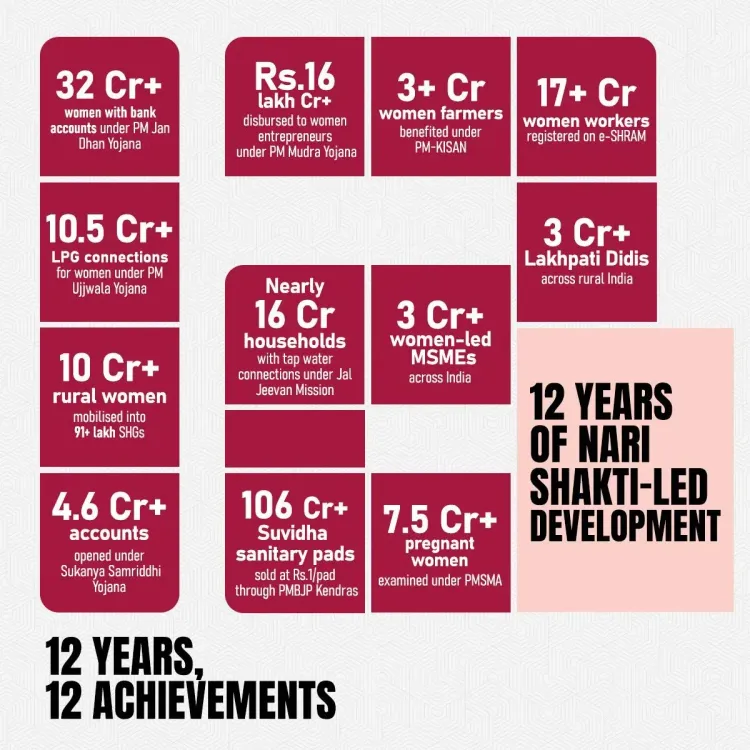
Union Minister Pralhad Joshi marked 12 years of Nari Shakti on June 12, 2026, citing 32 crore women Jan Dhan holders, 10.5 crore LPG connections, 16 crore tap water beneficiaries, and 3 crore-plus Lakhpati Didis as evidence of women's empowerment under PM Modi.
Key Takeaways
32 crore women hold Jan Dhan accounts under the Pradhan Mantri Jan Dhan Yojana launched in 2014.
More than 10 crore women are active members of self-help groups supported by DAY-NRLM.
10.5 crore-plus LPG connections have been provided to women-headed households under Pradhan Mantri Ujjwala Yojana.
Nearly 16 crore women are beneficiaries of tap water access through the Jal Jeevan Mission.
Over 3 crore women have been identified as entrepreneurs, and over 3 crore as Lakhpati Didis earning at least one lakh rupees annually.
The post was made under the hashtag #12YearsOfNariShakti , marking twelve years of the Modi government's women-welfare agenda.
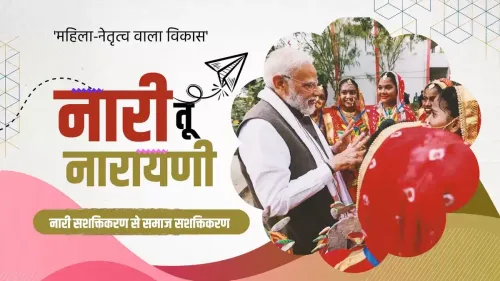
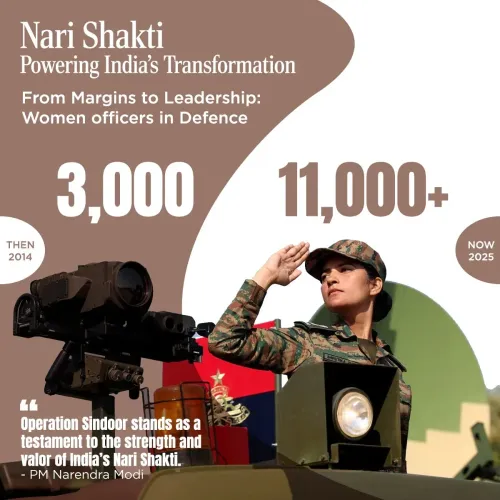
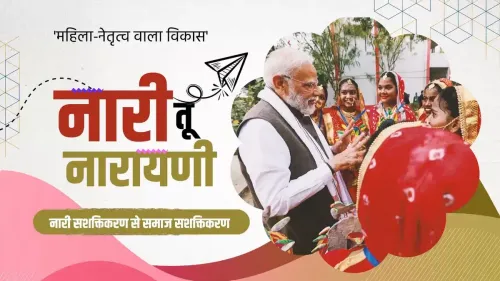
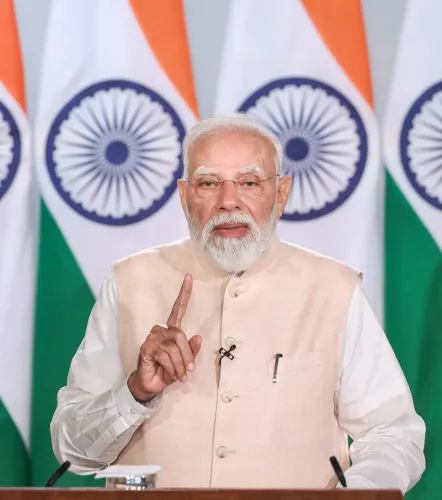
Union Consumer Affairs Minister Pralhad Joshi on Friday, June 12, 2026, cited a range of government figures to mark twelve years of women-focused welfare initiatives under Prime Minister Narendra Modi, saying India's 'Nari Shakti' has emerged as a powerful force driving the nation's progress.
Context
Posting under the hashtag #12YearsOfNariShakti, Joshi listed several programme-level statistics: 32 crore women Jan Dhan account holders, 10 crore-plus women in self-help groups (SHGs), 10.5 crore-plus LPG connections, nearly 16 crore tap water beneficiaries, 3 crore-plus women entrepreneurs, and 3 crore-plus Lakhpati Didis. The minister described these numbers as reflecting 'a transformative journey of empowerment, inclusion and self-reliance.'
The post aggregates outcomes across at least four central government programmes, positioning their combined reach as evidence of a decade-long policy commitment to women's economic inclusion.
Policy Backdrop
The figures span programmes launched across successive years of the Modi government. The Pradhan Mantri Jan Dhan Yojana, launched in August 2014, opened bank accounts for millions of previously unbanked households, with women forming a large share of new account holders. The Pradhan Mantri Ujjwala Yojana, rolled out in May 2016, targeted LPG connections for women-headed below-poverty-line households to replace solid-fuel cooking.
The Jal Jeevan Mission, commenced in 2019, aims for universal piped tap water coverage in rural India, with women identified as primary beneficiaries. The Lakhpati Didi initiative, implemented under the Deendayal Antyodaya Yojana–National Rural Livelihoods Mission (DAY-NRLM), targets sustainable annual household incomes of at least one lakh rupees for SHG members.
Stakeholders and Impact
The programmes cited collectively address rural women, women SHG members, and women entrepreneurs — groups that have historically faced barriers to formal finance, clean energy, and market access. SHGs under DAY-NRLM function as the backbone of the Lakhpati Didi and women-entrepreneur counts, linking savings and credit access to livelihood outcomes.
Clean cooking fuel access through Ujjwala and piped water through Jal Jeevan Mission are framed by the government as reducing the domestic burden on women, freeing time for economic participation. The Jan Dhan account base enables direct benefit transfers, reducing leakage in welfare delivery.
What's Next
Periodic scheme dashboards on Jan Dhan accounts, Ujjwala refill rates, and Lakhpati Didi progress are expected to be updated in the months ahead. These metrics are also likely to feature in forthcoming Union Budget documents or Economic Survey analyses as indicators of gender-inclusive development. The #12YearsOfNariShakti messaging signals a broader political communication push around the anniversary of the Modi government's first term, with senior ministers amplifying programme outcomes across platforms.
Point of View
Using aggregated scheme statistics to build a composite narrative of women's empowerment. The choice to bundle Jan Dhan, Ujjwala, Jal Jeevan Mission, and Lakhpati Didi into a single post reflects a deliberate strategy of presenting welfare reach as a development story rather than individual programme updates. Each figure cited corresponds to a flagship scheme with its own political lineage, and their aggregation is designed to reinforce the government's gender-inclusion credentials ahead of potential budgetary and electoral cycles. The framing of beneficiary counts as 'Nari Shakti' connects welfare delivery to a broader nationalist vocabulary of women as agents of national progress.
NationPress
20 Sept 2026
Frequently Asked Questions
What is the Lakhpati Didi scheme?
Lakhpati Didi is an initiative under the Deendayal Antyodaya Yojana–National Rural Livelihoods Mission that aims to help women in self-help groups achieve an annual household income of at least one lakh rupees through sustainable livelihoods and enterprise support.
How many women have Jan Dhan accounts in India?
According to figures cited by Minister Pralhad Joshi on June 12, 2026, 32 crore women hold Jan Dhan accounts under the Pradhan Mantri Jan Dhan Yojana, which was launched in August 2014 to expand banking access for unbanked households.
What is Pradhan Mantri Ujjwala Yojana?
Pradhan Mantri Ujjwala Yojana is a central government scheme launched in May 2016 to provide LPG connections to women-headed below-poverty-line households, replacing solid-fuel cooking with cleaner energy.
What is the Jal Jeevan Mission and how does it benefit women?
The Jal Jeevan Mission, launched in 2019, aims to deliver piped tap water to every rural household in India. Women are identified as the primary beneficiaries because access to household water reduces the time and physical burden of fetching water, enabling greater economic participation.
What is #12YearsOfNariShakti?
#12YearsOfNariShakti is a hashtag used by BJP leaders and ministers to mark twelve years of the Modi government's women-focused welfare programmes, aggregating outcomes across schemes such as Jan Dhan, Ujjwala, Jal Jeevan Mission, and Lakhpati Didi.