Shivraj hails 12 years of Modi govt's Nari Shakti push
Synopsis
Union Agriculture Minister Shivraj Singh Chouhan marked 12 years of the Modi government on 12 June 2026 by crediting schemes like Ujjwala, Jan Dhan, Awas Yojana, and NRLM self-help groups with delivering prosperity, security, and self-reliance to women across India.
Key Takeaways
Union Agriculture Minister Shivraj Singh Chouhan posted on 12 June 2026 under #12YearsOfNariShakti to mark 12 years of the Modi government.
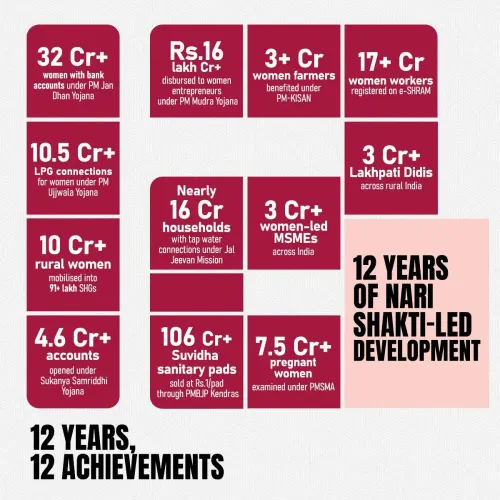
He cited Pradhan Mantri Ujjwala Yojana (LPG access), Swachh Bharat Mission (toilets), Jan Dhan Yojana (banking), and Pradhan Mantri Awas Yojana (housing) as key pillars of women's empowerment.
Self-help groups under the National Rural Livelihoods Mission have linked lakhs of women to self-reliance and micro-enterprise over the 12-year period.
Chouhan described the empowered woman of today as 'Viksit Bharat ki sabse badi shakti' — the greatest strength of a developed India.
The post is part of a coordinated BJP communications push marking 12 years since PM Modi's first swearing-in in May 2014 .
Parliamentary scrutiny of scheme coverage data and new SHG credit guidelines is expected in the upcoming budget session.
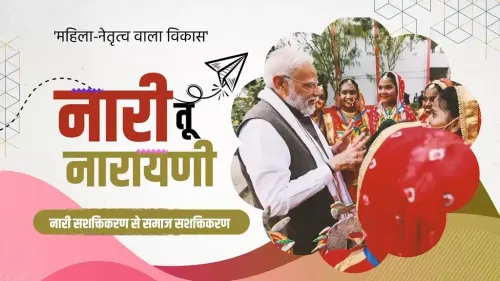
Union Agriculture Minister Shivraj Singh Chouhan on Friday, 12 June 2026, marked 12 years of the Narendra Modi government by crediting its welfare schemes with transforming the lives of women across India, calling the empowered woman of today the country's greatest strength on the path to a developed nation.
Context
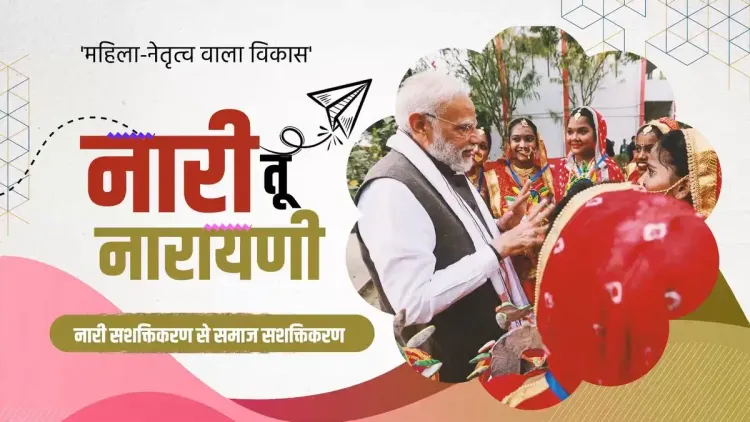
Posting under the hashtag #12YearsOfNariShakti, Chouhan wrote in Hindi that under Prime Minister Modi's leadership, 'samridhi ka naya ujala' (a new light of prosperity) has entered women's lives, and that 'nari shakti ke sankalpom ko nayi udaan mili hai' (the resolve of women's power has found a new flight). He described the past 12 years as chapters written in convenience, security, and self-respect for sisters and daughters across the country.
The post arrives as the BJP marks the completion of 12 years since Narendra Modi was first sworn in as Prime Minister in May 2014, with senior party leaders amplifying a coordinated messaging push around women's welfare achievements.
Policy Backdrop
Chouhan specifically cited schemes covering water, sanitation, cooking fuel, banking access, housing, and self-help groups as the pillars of this empowerment drive. The Pradhan Mantri Ujjwala Yojana, launched on 1 May 2016, extended LPG connections to women in below-poverty-line households, while the Swachh Bharat Mission, inaugurated on 2 October 2014, prioritised the construction of household toilets — many registered in women's names.
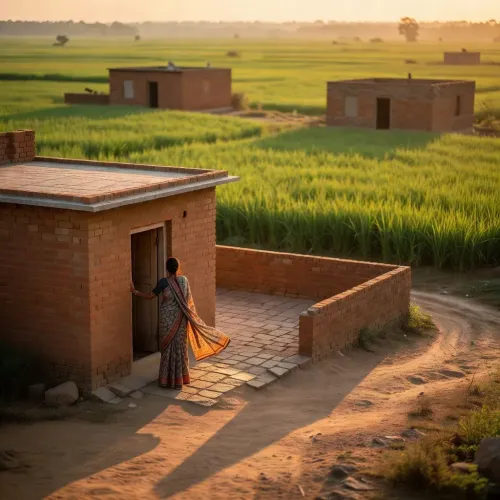
The Pradhan Mantri Jan Dhan Yojana, rolled out on 28 August 2014, brought millions of women into the formal banking system for the first time. Alongside it, the Pradhan Mantri Awas Yojana — approved in 2016 as a successor to the earlier Indira Awas Yojana — gave ownership priority to women beneficiaries for pucca houses built under the programme.
The National Rural Livelihoods Mission (NRLM), which predates the Modi government but was significantly scaled up post-2014, has provided credit linkage and micro-enterprise support to women through a network of self-help groups (SHGs) across rural India. Chouhan highlighted that these groups have connected 'lakhs of women' to self-reliance and entrepreneurship over the past 12 years.
Stakeholders and Impact
The primary beneficiaries of the schemes cited are rural women — particularly those from economically weaker sections — and self-help group members who have accessed credit and livelihood support through NRLM-linked networks. The government has consistently framed basic-service delivery in these sectors as instruments of women's empowerment, linking infrastructure access to financial inclusion.
This framing of 'Nari Shakti' as both a welfare goal and a political identity has become a recurring theme in BJP communications, positioning women beneficiaries as active agents of national development rather than passive recipients of state support. Chouhan's post reinforces this narrative by describing the 'empowered woman of today' as 'Viksit Bharat ki sabse badi shakti' — the greatest strength of a developed India.
What's Next
With Parliament's next budget session approaching, attention will turn to fresh data on scheme coverage and any new guidelines on SHG credit limits that the government may announce. The #12YearsOfNariShakti campaign signals that women's welfare will remain a central plank in the ruling party's political communications ahead of upcoming electoral cycles. Chouhan's visibility on this messaging — given his own track record of welfare-scheme implementation during his tenures as Chief Minister of Madhya Pradesh — adds weight to the BJP's outreach to women voters in rural heartland states.
Point of View
Jan Dhan, Awas — and elevates women beneficiaries into a political identity tied to the vision of 'Viksit Bharat.' The choice of a senior leader with Chouhan's rural-welfare credentials to front this messaging is deliberate, reinforcing the party's claim to ground-level implementation credibility. Coming at the 12-year mark, the communication also serves as a pre-electoral stock-taking exercise, consolidating the narrative that basic-service gaps inherited in 2014 have been systematically closed. The broader arc points to women voters in Hindi-belt states remaining a decisive constituency that the ruling party is actively consolidating.
NationPress
26 Oct 2026
Frequently Asked Questions
What is #12YearsOfNariShakti about?
#12YearsOfNariShakti is a BJP social media campaign marking 12 years since Narendra Modi became Prime Minister in May 2014, highlighting women-focused welfare schemes like Ujjwala, Jan Dhan, Swachh Bharat, and Pradhan Mantri Awas Yojana as evidence of progress in women's empowerment.
What did Shivraj Singh Chouhan say about women's empowerment?
Chouhan said that under PM Modi's leadership, the past 12 years have brought a new light of prosperity to women's lives, written new chapters of convenience, security, and self-respect for sisters and daughters, and connected lakhs of women to self-reliance through self-help groups.
Which schemes did Shivraj Singh Chouhan mention for women's welfare?
He referenced Pradhan Mantri Ujjwala Yojana for LPG access, Swachh Bharat Mission for sanitation, Pradhan Mantri Jan Dhan Yojana for banking, Pradhan Mantri Awas Yojana for housing, and self-help groups under the National Rural Livelihoods Mission for livelihood support.
What is Pradhan Mantri Ujjwala Yojana?
Pradhan Mantri Ujjwala Yojana is a central government scheme launched on 1 May 2016 to provide free LPG cooking-gas connections to women from below-poverty-line households, reducing dependence on solid fuels and improving health outcomes in rural homes.
How have self-help groups helped women in India under the Modi government?
Self-help groups under the National Rural Livelihoods Mission, scaled up significantly after 2014, have provided rural women with access to institutional credit, savings mechanisms, and micro-enterprise support, enabling lakhs of women to start small businesses and achieve financial independence.