Shivraj hails 12 years of Modi govt's Garib Kalyan push
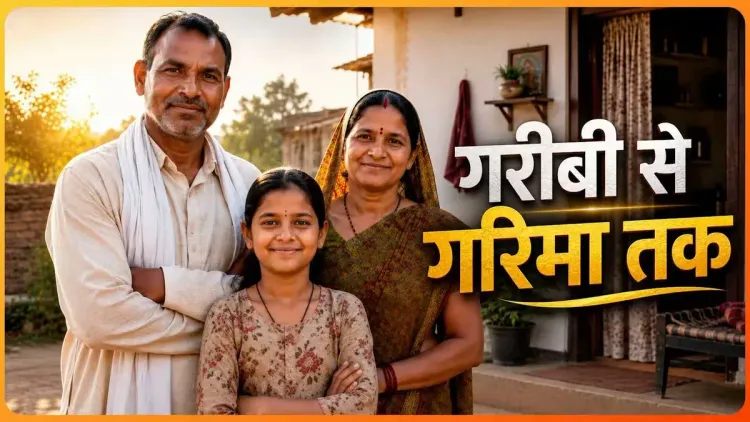
Synopsis
Union Agriculture Minister Shivraj Singh Chouhan has praised PM Narendra Modi's government on completing twelve years in office, highlighting flagship welfare schemes — Jan Dhan, Ujjwala, Ayushman Bharat, Jal Jeevan Mission and PM Garib Kalyan Anna Yojana — as instruments that delivered dignity and security to crores of marginalised Indians.
Key Takeaways
Shivraj Singh Chouhan posted a tribute on June 9, 2026 marking 12 years of the Modi government's welfare outreach under the #12YearsOfGaribKalyan hashtag.
Pradhan Mantri Jan Dhan Yojana (August 2014) is credited with opening banking access for previously unbanked households and enabling direct benefit transfers.
Pradhan Mantri Ujjwala Yojana (May 2016) provided free LPG connections to women from below-poverty-line families, reducing reliance on biomass fuel.
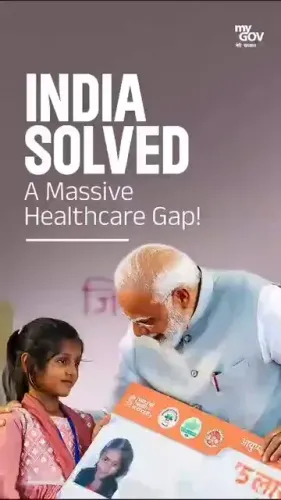
Ayushman Bharat offers health insurance cover of up to Rs 5 lakh per family per year, while Jal Jeevan Mission targets piped drinking water for all rural households.
PM SVANidhi and MUDRA Yojana are highlighted as schemes that integrated street vendors and small entrepreneurs into the formal economic mainstream.
Parliamentary performance audits of Jal Jeevan Mission and Ayushman Bharat are expected during the upcoming monsoon session of Parliament.
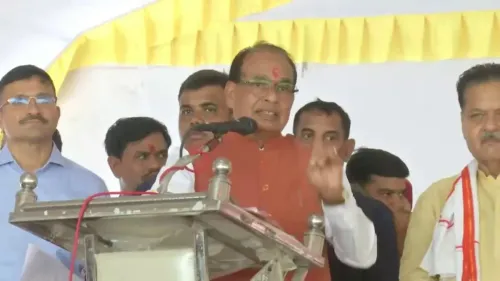
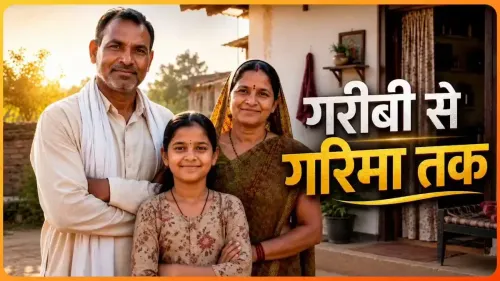
Union Agriculture Minister Shivraj Singh Chouhan on Monday, June 9, 2026, lauded Prime Minister Narendra Modi's government for what he described as twelve years of transformative welfare delivery for India's poorest citizens, citing a range of flagship social-protection schemes that have reshaped the lives of crores of marginalised families.
Context
Chouhan's post, published under the hashtag #12YearsOfGaribKalyan, marks the completion of twelve years since the BJP-led National Democratic Alliance came to power in May 2014. Writing in Hindi, the senior leader framed the period as one in which the philosophy of Antyodaya — 'upliftment of the last person in the queue' — was translated into concrete policy. 'These twelve years have proved to be a new chapter of dignity, security and self-confidence in the lives of crores of deprived and poor families,' he wrote.
The post arrives as the government and its supporters mark the anniversary with coordinated messaging across ministries. Chouhan, a former four-term Chief Minister of Madhya Pradesh, has been among the most prominent voices amplifying the welfare-delivery narrative from within the Union Cabinet.
Policy Backdrop
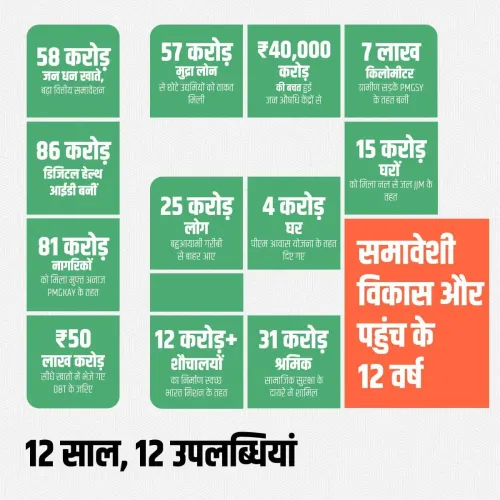
The minister enumerated six flagship programmes as pillars of the twelve-year record. Pradhan Mantri Jan Dhan Yojana, launched in August 2014, opened bank accounts for previously unbanked households, creating the infrastructure for direct benefit transfers. Pradhan Mantri Ujjwala Yojana, rolled out from May 2016, provided free LPG connections to women from below-poverty-line families, reducing dependence on biomass fuel.
Pradhan Mantri Awas Yojana extended the promise of pucca housing to crores of families, while Jal Jeevan Mission — announced in 2019 — targeted piped drinking water to every rural household. Ayushman Bharat, launched in 2018, offers health cover of up to Rs 5 lakh per family annually. The Pradhan Mantri Garib Kalyan Anna Yojana, introduced in March 2020 during the pandemic, provided free food grains to millions of households under stress.
Chouhan also highlighted MUDRA Yojana, PM SVANidhi — a micro-credit scheme for street vendors launched in June 2020 — and the broader Direct Benefit Transfer architecture as instruments that connected small entrepreneurs, labourers, and pavement vendors to the economic mainstream. 'Governance sensitivity and transparency have ensured that the benefits of schemes reach eligible beneficiaries without any discrimination,' he stated.
Stakeholders and Impact
The programmes cited collectively target rural households, urban poor, women, small entrepreneurs, and informal-sector workers — segments that have historically been underserved by formal financial and social-protection systems. The Direct Benefit Transfer mechanism, in particular, has been credited with reducing leakage in subsidy delivery by routing funds directly to Aadhaar-linked bank accounts.
Chouhan framed the twelve-year arc not merely as a ledger of schemes but as a human journey: 'This is the journey of crores of families in whose lives basic amenities reached for the first time, whose dreams got a new flight, and in whose minds the confidence was strengthened that the government stands with them.' Parliamentary scrutiny of scheme performance — including coverage audits of Jal Jeevan Mission and Ayushman Bharat — is expected during the upcoming monsoon session of Parliament.
What's Next
With the BJP government entering its thirteenth year in office, the welfare-delivery narrative is likely to remain central to political communication ahead of state assembly elections. Performance dashboards tracking household coverage under the listed schemes are periodically updated, and supplementary demands for grants in the monsoon session will test whether allocations keep pace with saturation targets. Chouhan's post signals that senior ministers will continue to position Garib Kalyan as the defining legacy of the Modi era.
Point of View
A concept rooted in Deendayal Upadhyaya's integral humanism, the BJP frames its welfare record within an ideological lineage rather than mere technocratic delivery. The enumeration of six to eight flagship schemes in a single post also serves a pre-election consolidation function, reminding voters of tangible entitlements linked to the Modi brand. However, the claims of discrimination-free, last-mile delivery remain contested terrain that parliamentary audits and independent assessments are yet to conclusively settle.
NationPress
19 Sept 2026
Frequently Asked Questions
What is 12 Years of Garib Kalyan?
'12 Years of Garib Kalyan' refers to the BJP government's welfare delivery record since Prime Minister Narendra Modi took office in May 2014, covering schemes such as Jan Dhan, Ujjwala, Ayushman Bharat and the Garib Kalyan Anna Yojana aimed at India's poorest citizens.
What did Shivraj Singh Chouhan say about Modi's welfare schemes?
Shivraj Singh Chouhan praised PM Modi's twelve-year record on welfare, saying the period had written 'a new chapter of dignity, security and self-confidence' for crores of deprived families through programmes spanning banking, health, housing, water and food security.
What is Pradhan Mantri Garib Kalyan Anna Yojana?
Pradhan Mantri Garib Kalyan Anna Yojana is a central government scheme launched in March 2020 that provides free food grains to millions of households, originally introduced as an emergency measure during the COVID-19 pandemic.
What is Ayushman Bharat and how much cover does it provide?
Ayushman Bharat is a national health protection mission launched in 2018 that provides health insurance cover of up to Rs 5 lakh per family per year, targeting poor and vulnerable households across India.
What is PM SVANidhi scheme?
PM SVANidhi is a micro-credit scheme launched in June 2020 to provide affordable working-capital loans to street vendors, helping them resume livelihoods disrupted by the COVID-19 lockdowns and integrate into the formal financial system.