CM Samrat Choudhary Hails 12 Years of Modi Welfare Push
Synopsis
Bihar Chief Minister Samrat Choudhary on June 8, 2026 lauded PM Modi's 12-year welfare record, crediting schemes like Awas Yojana, Ujjwala, PM-KISAN and Ayushman Bharat with lifting crores out of poverty and delivering last-mile development.
Key Takeaways
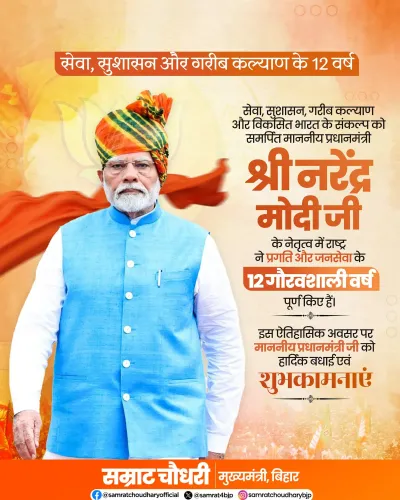
Bihar CM Samrat Choudhary posted on June 8, 2026 praising PM Modi 's 12-year welfare governance record under #12YearsOfGaribKalyan .
Pradhan Mantri Awas Yojana (launched 2015 ), PM Ujjwala Yojana ( 2016 ), Ayushman Bharat ( 2018 ) and PM-KISAN ( 2019 ) were cited as flagship achievements.
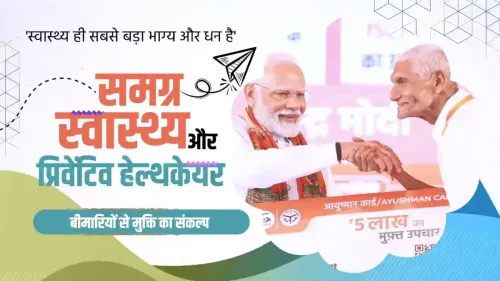
Ayushman Bharat offers up to Rs 5 lakh annual health cover; PM-KISAN provides Rs 6,000 per year to landholding farmer families.
All cited schemes use Aadhaar -linked Direct Benefit Transfer (DBT) to reduce leakages in subsidy delivery.
The CM claimed approximately 25 crore people have exited poverty — a figure NationPress cannot independently verify at this time.
Updated NITI Aayog multidimensional poverty data is expected to be the next authoritative benchmark for evaluating these claims.
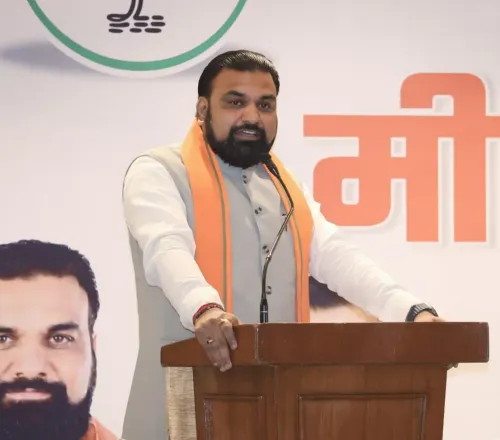
Bihar Chief Minister Samrat Choudhary on Monday, June 8, 2026, credited Prime Minister Narendra Modi with writing a 'new chapter' in poverty alleviation over the past 12 years, citing flagship central welfare schemes that he said have transformed the lives of crores of Indian families.
Context
Posting under the hashtag #12YearsOfGaribKalyan (12 Years of Poor Welfare), CM Choudhary stated that the Prime Minister had ensured 'the benefits of development reach the person standing in the last row of society' — samaj ke antim pankti mein khade vyakti tak. The post marks what the BJP is framing as a milestone anniversary of the Modi government's welfare agenda, which began with the party's electoral victory in May 2014.
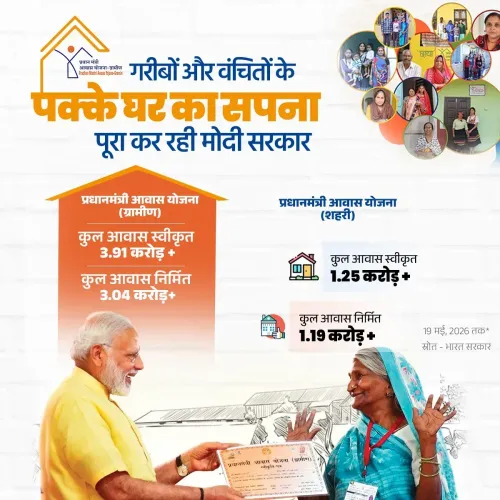
The Chief Minister listed six specific interventions: Pradhan Mantri Awas Yojana for permanent housing, PM Ujjwala Yojana for clean cooking fuel, PM-KISAN Samman Nidhi for farmer income support, Ayushman Bharat for health protection, free ration for food security, and Direct Benefit Transfer (DBT) for transparent subsidy delivery.
Policy Backdrop
Pradhan Mantri Awas Yojana, launched in June 2015, targets eligible rural and urban poor households with pucca (permanent) homes. PM Ujjwala Yojana, introduced in May 2016, extended LPG connections to women from below-poverty-line families, aiming to free them from the health hazards of cooking smoke.
Ayushman Bharat Pradhan Mantri Jan Arogya Yojana, approved in March 2018, provides up to Rs 5 lakh annual health insurance cover per family for economically weaker sections. PM-KISAN, announced in the February 2019 interim budget and made operational from December 2018, delivers Rs 6,000 per year directly into the bank accounts of landholding farmer families. All these schemes share a common design architecture: Aadhaar-linked DBT to minimise leakages and periodic revision of beneficiary lists using SECC data.
Stakeholders and Impact
CM Choudhary claimed that 'approximately 25 crore citizens have come out of poverty and are participating in the development of a new India with dignity and confidence.' The research note flags this specific figure as unverified from established public records, and NationPress is unable to independently confirm it at this time.
The beneficiary base across these schemes spans poor urban and rural households, BPL women, and landholding farmers — a broad coalition that forms a significant electoral constituency in states such as Bihar. NITI Aayog's multidimensional poverty index has been the primary official benchmark for tracking progress, and updated reports from the body are expected to provide the next authoritative data point.
What's Next
The BJP's coordinated amplification of the #12YearsOfGaribKalyan narrative — with senior state leaders like the Bihar Chief Minister participating — signals a sustained messaging campaign around the welfare record ahead of future electoral cycles. Bihar, which has a large share of beneficiaries across each of the listed schemes, is a critical state for the party's national arithmetic.
Analysts and opposition parties are likely to scrutinise the poverty-reduction claims against forthcoming NITI Aayog data and any state-level implementation reviews of these schemes in Bihar. How the government substantiates the 25 crore figure with fresh official data will be closely watched as the welfare anniversary narrative builds.
Point of View
Giving it a regional resonance — particularly significant in Bihar, one of the largest beneficiary states for nearly every scheme cited. By anchoring the message in tangible programme names rather than abstract promises, Choudhary is reinforcing a 'delivery politics' frame the party has cultivated since 2014. The unverified 25-crore poverty-exit figure is the political centrepiece, and the credibility of the entire campaign will hinge on whether fresh official data corroborates it. If NITI Aayog's next multidimensional poverty report validates the scale of reduction, it becomes a formidable electoral asset; if it falls short, opposition parties will have a ready rebuttal.
NationPress
22 Sept 2026
Frequently Asked Questions
What is the #12YearsOfGaribKalyan campaign about?
#12YearsOfGaribKalyan marks 12 years of the Modi government's welfare programmes since 2014, highlighting schemes like PM Awas Yojana, Ujjwala, PM-KISAN and Ayushman Bharat aimed at poverty reduction and last-mile delivery.
What did Bihar CM Samrat Choudhary say about Modi's welfare schemes?
Bihar CM Samrat Choudhary said PM Modi ensured development benefits reach 'the person standing in the last row of society,' crediting six flagship schemes with bringing approximately 25 crore citizens out of poverty.
What is Pradhan Mantri Awas Yojana and when was it launched?
Pradhan Mantri Awas Yojana is a central government housing scheme launched in June 2015 to provide permanent (pucca) homes to eligible rural and urban poor households across India.
How much does PM-KISAN provide to farmers annually?
PM-KISAN Samman Nidhi provides Rs 6,000 per year, paid in three instalments, directly into the bank accounts of landholding farmer families via Direct Benefit Transfer.
Have 25 crore people really been lifted out of poverty in India?
Bihar CM Choudhary cited approximately 25 crore people exiting poverty under the Modi government, but this specific figure has not been independently verified from established public records; updated NITI Aayog multidimensional poverty data is expected to provide the next authoritative assessment.