GRAP III imposed in Delhi-NCR as AQI hits 382, two days before Diwali
Synopsis
Two days before Diwali, Delhi's AQI hit 382 and the CAQM didn't wait for the 400-mark threshold — it invoked GRAP Stage-III early as a precautionary measure. Construction bans, vehicle restrictions, school closures up to Class 5, and work-from-home advisories are now in force across the NCR, with Stage-IV a real possibility if firecracker emissions push the index into 'severe' territory.
Key Takeaways
The CAQM invoked GRAP Stage-III across Delhi-NCR on 6 November 2026 as a precautionary measure.
Delhi's AQI stood at 382 ('very poor') on Friday — below the usual Stage-III threshold of 400 .
All non-essential construction and demolition activities are banned; BS-3 petrol and BS-4 diesel four-wheelers barred from Delhi and NCR districts.
Schools up to Class 5 must shift to online mode; private firms advised to adopt work-from-home or hybrid arrangements.
GRAP-II had been invoked earlier after Delhi's AQI hit 324 on 2 November .
Diwali-linked firecracker emissions could push the AQI into 'severe' territory, potentially triggering GRAP Stage-IV .
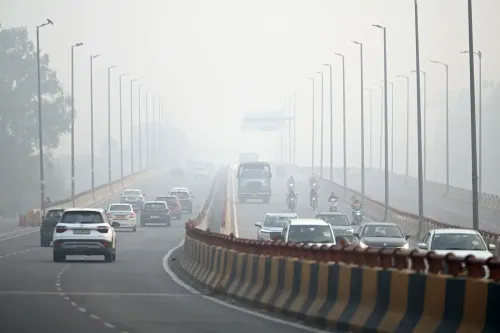
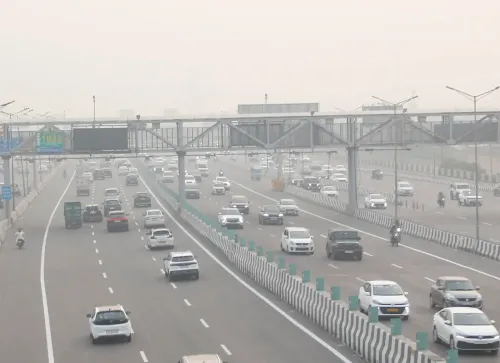
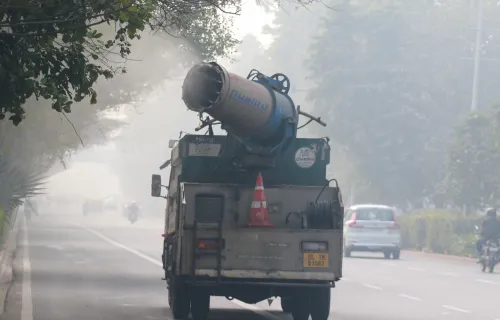
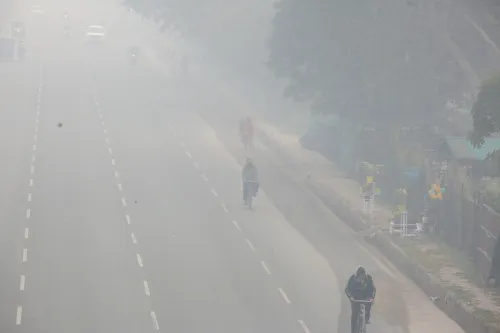
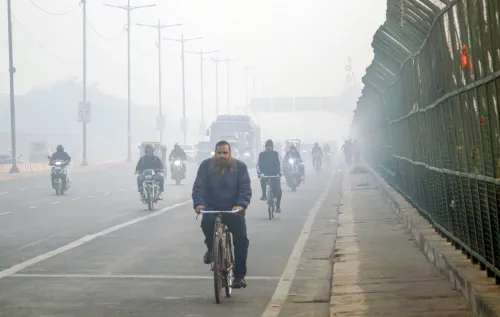
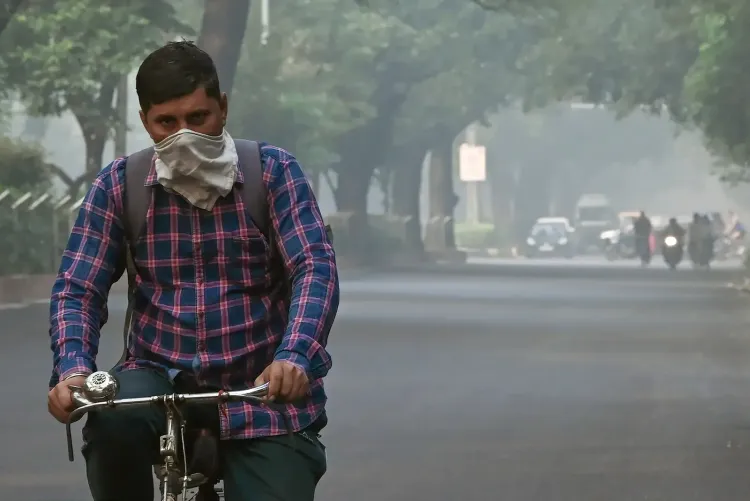
The Commission for Air Quality Management (CAQM) on Friday, 6 November 2026, invoked Stage-III of the Graded Response Action Plan (GRAP) across Delhi and the entire National Capital Region (NCR), as the capital's Air Quality Index (AQI) climbed to 382 — placing it firmly in the 'very poor' category. The move comes just two days before the Diwali festival, a period historically associated with a sharp spike in particulate pollution.
Why GRAP III Was Invoked Early
GRAP Stage-III is ordinarily triggered when the AQI crosses the 400 mark and enters the 'severe' category. This time, however, the CAQM acted pre-emptively, citing the need for a precautionary approach given the rapid deterioration in air quality and the imminent risk of a Diwali-driven surge. In a post on X, the CAQM stated: 'CAQM Sub-Committee on GRAP decides to invoke GRAP III in Delhi NCR as a precautionary measure.'
This escalation follows the earlier invocation of GRAP-II after Delhi's daily average AQI rose to 324 on 2 November, as reported in the Central Pollution Control Board's (CPCB) daily AQI bulletin. The CAQM Sub-Committee reviewed current air quality data alongside forecasts from the India Meteorological Department (IMD) and the Indian Institute of Tropical Meteorology (IITM) before escalating measures.
Key Restrictions Under GRAP Stage-III
The curbs imposed are wide-ranging and immediately enforceable. A complete ban on non-essential construction and demolition activities has been put in place, covering earthwork, piling, trenching, and open-air operations of Ready-Mix Concrete (RMC) plants. Transport of construction materials such as sand and cement — particularly on unpaved roads — has been prohibited.
Authorities have also ordered the closure of stone crushers, mining operations, and hot-mix plants not running on clean fuel. Diesel generator sets are banned except for emergency and essential services. BS-3 petrol and BS-4 diesel four-wheelers are prohibited from plying in Delhi and neighbouring NCR districts. Inter-state diesel buses entering or operating within Delhi are also restricted under Stage-III.
Impact on Schools and Work-from-Home Advisory
Schools up to Class 5 across the region are required to shut physical operations, with classes shifted to online mode to shield young children from toxic air exposure. Private companies have received an advisory to implement work-from-home or hybrid arrangements to cut down on vehicular emissions — a measure that proved effective during past pollution emergencies.
What Comes Next
With Diwali celebrations expected to further worsen air quality through firecracker emissions, authorities are closely monitoring the AQI trajectory. Should the index cross 400 and sustain in the 'severe' category, the CAQM may escalate to GRAP Stage-IV, which carries even stricter curbs including a ban on trucks entering Delhi and potential halting of construction on public infrastructure projects. Residents and commuters in the NCR should brace for continued restrictions as pollution levels are forecast to remain elevated through the festival period.
Point of View
Too late. But the real test is enforcement, not announcement. GRAP restrictions have historically suffered from patchy compliance, particularly on construction bans and diesel vehicle checks. With Diwali two days away, the system is under its annual stress test: if firecracker emissions push the AQI past 450, Stage-IV kicks in and the political cost of enforcement rises sharply. Delhi's pollution crisis is structurally linked to stubble burning in neighbouring states, vehicular density, and construction dust — none of which GRAP alone can resolve. The early invocation buys a window; whether it is used well is a different question.
NationPress
6 Nov 2026
Frequently Asked Questions
What is GRAP Stage-III and why has it been invoked in Delhi-NCR?
GRAP Stage-III is a set of emergency anti-pollution measures under the Graded Response Action Plan, normally triggered when Delhi's AQI crosses 400 and enters the 'severe' category. On 6 November 2026, the CAQM invoked it early — with the AQI at 382 — as a precautionary measure ahead of Diwali.
What are the key restrictions under GRAP Stage-III in Delhi-NCR?
GRAP Stage-III bans non-essential construction and demolition activities, prohibits BS-3 petrol and BS-4 diesel four-wheelers in Delhi and NCR districts, restricts inter-state diesel buses, closes stone crushers and hot-mix plants not on clean fuel, and bans diesel generators except for essential services. Schools up to Class 5 must move online, and private firms are advised to work from home.
Will Delhi schools remain closed due to pollution?
Yes, schools up to Class 5 across Delhi-NCR are required to suspend in-person classes and shift to online mode under GRAP Stage-III. The measure is aimed at protecting young children from exposure to toxic air.
What was Delhi's AQI before GRAP Stage-III was imposed?
Delhi's AQI was recorded at 382 on 6 November 2026, placing it in the 'very poor' category. This followed an AQI of 324 on 2 November, which had earlier triggered GRAP Stage-II.
Could Delhi move to GRAP Stage-IV during Diwali?
Yes, GRAP Stage-IV can be triggered if Delhi's AQI crosses 400 and sustains in the 'severe' range. Given that Diwali firecracker emissions typically cause a sharp spike in particulate levels, authorities are closely monitoring the situation and a Stage-IV escalation remains a real possibility.