Delhi GRAP Stage III invoked ahead of Diwali: hybrid classes, vehicle curbs from Nov 6
Synopsis
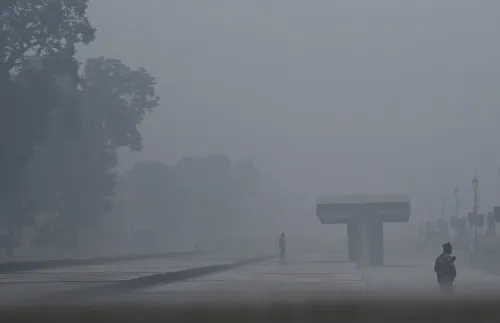
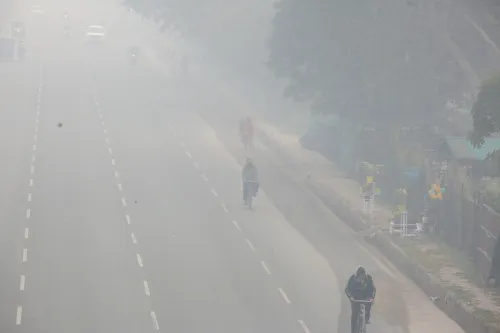
With Diwali days away and Delhi's AQI at 382, authorities have jumped from GRAP II to GRAP III in under a week — triggering hybrid schooling for Class 5 and below, a vehicle ban on older petrol and diesel cars, and a near-total halt on construction across the NCR. Falling wind speeds could push the city toward GRAP IV before the festival even begins.
Key Takeaways
Delhi Environment Minister Manjinder Singh Sirsa announced GRAP Stage III curbs on 6 November , ahead of Diwali.
Delhi's AQI stood at 382 ('Very Poor') as of 4 pm on 6 November , with PM 2.5 as the primary pollutant.
Schools in Delhi, Gurugram, Faridabad, Ghaziabad and Gautam Buddh Nagar must shift to hybrid mode for students up to Class 5 .
BS-III petrol and BS-IV diesel four-wheelers face strict restrictions in Delhi and the four named NCR districts.
Stone crushers and mining operations across the entire NCR will be shut down.
GRAP was escalated from Stage II (invoked on 2 November at AQI 324 ) to Stage III within four days.
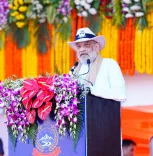
Delhi Environment Minister Manjinder Singh Sirsa on Friday, 6 November announced the invocation of GRAP Stage III air pollution curbs across the capital, triggering hybrid schooling for children up to Class 5 and restrictions on BS-III petrol and BS-IV diesel light motor vehicles. The move comes days before Diwali, when air quality in Delhi typically deteriorates sharply due to firecracker emissions and stagnant winds.
What Triggered the GRAP III Upgrade
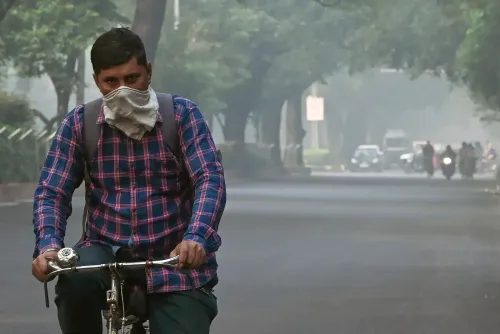
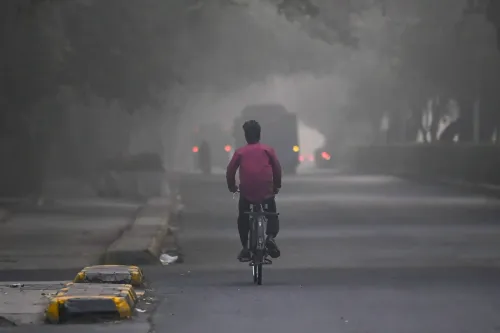
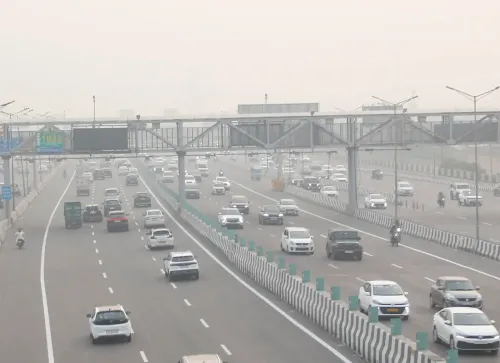
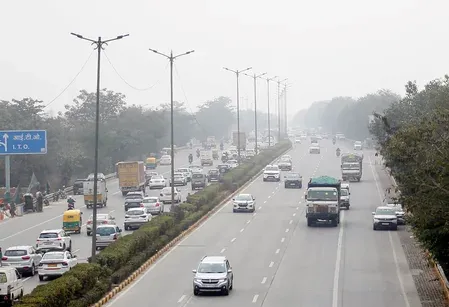
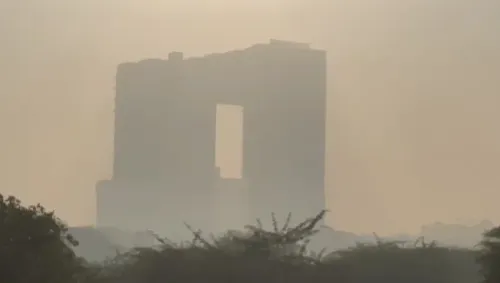
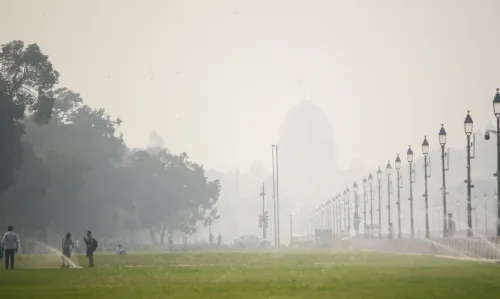
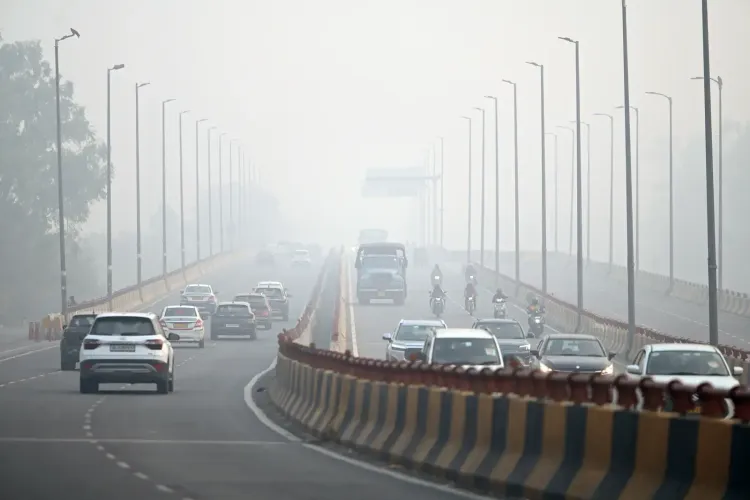
The Commission for Air Quality Management (CAQM) Sub-Committee on the Graded Response Action Plan (GRAP) decided to invoke Stage III as a precautionary measure, an official confirmed on Friday. Data released by the Central Pollution Control Board (CPCB) at 4 pm on 6 November showed Delhi's Air Quality Index at 382 — firmly in the 'Very Poor' category — based on a 24-hour average across 57 monitoring stations. PM 2.5 was identified as the dominant pollutant.
Minister Sirsa noted that wind speed is expected to fall further from Saturday, which would trap pollutants closer to ground level and push the AQI higher. 'It is the collective responsibility of all citizens to adhere to the relevant rules,' he said, urging compliance with GRAP III measures.
Key Restrictions Under GRAP Stage III
Schools in the National Capital Territory of Delhi and in the districts of Gurugram, Faridabad, Ghaziabad, and Gautam Buddh Nagar must shift to a hybrid mode — a mix of physical and online classes — for students up to Class 5, wherever online infrastructure is available. The curbs also mandate:
— Suspension of stone crusher operations across the entire NCR.
— Closure of all mining and associated activities in the NCR.
— Strict restrictions on BS-III petrol and BS-IV diesel four-wheelers in Delhi and in the four named districts.
Additionally, NCR state governments and the Government of NCT of Delhi (GNCTD) must consider allowing public, municipal, and private offices to operate at 50 per cent strength, with remaining staff working from home. The Central Government may also permit work-from-home arrangements for employees in central government offices.
How the Situation Escalated
This is a rapid two-step escalation within the GRAP framework. On 2 November, the CAQM had invoked GRAP Stage II after Delhi's daily average AQI climbed to 324, placing it in the 'Very Poor' category. Within four days, deteriorating conditions have pushed authorities to the next tier. GRAP Stage III is designed to activate before conditions reach the 'Severe' threshold, giving agencies a window to prevent the worst outcomes.
Impact on Schools, Offices and Commuters
Families with young children in Delhi-NCR will need to arrange for online learning setups at short notice, raising concerns about equitable access, particularly for lower-income households. Commuters driving older petrol and diesel vehicles face the prospect of fines or impoundment if caught on restricted roads. The construction sector — already under GRAP II constraints — faces a near-complete halt on demolition and earthwork activities.
With Diwali approaching, environmental experts warn that fireworks could push the AQI into the 'Severe' or even 'Severe Plus' category, potentially triggering GRAP Stage IV, which would bring even stricter shutdowns across the region.
Point of View
Only to be partially reversed once the season passes. The hybrid schooling mandate, while well-intentioned, disproportionately burdens households without reliable internet, raising a question the CAQM has yet to answer: what is the contingency for children who cannot access online classes? Meanwhile, the BS-III and BS-IV vehicle ban hits older, cheaper cars — typically owned by lower-income commuters — while the broader structural causes of Delhi's pollution, including stubble burning, industrial emissions, and waste incineration, receive less administrative urgency. The real test of GRAP III is not its announcement but its enforcement, which has historically been uneven.
NationPress
6 Nov 2026
Frequently Asked Questions
What is GRAP Stage III and why has it been invoked in Delhi?
GRAP Stage III is a set of emergency air quality measures activated when Delhi's AQI is projected to reach or sustain 'Very Poor' levels. It was invoked on 6 November 2026 as a precautionary step after the CPCB recorded an AQI of 382 and forecast further deterioration due to falling wind speeds ahead of Diwali.
Which schools are affected by the hybrid class order under GRAP III?
Schools in the National Capital Territory of Delhi and in the NCR districts of Gurugram, Faridabad, Ghaziabad, and Gautam Buddh Nagar must shift to hybrid — physical plus online — mode for students up to Class 5. The order applies wherever online infrastructure is available.
Which vehicles are banned under GRAP Stage III in Delhi-NCR?
BS-III petrol and BS-IV diesel light motor vehicles (four-wheelers) face strict restrictions on plying in Delhi and in the districts of Gurugram, Faridabad, Ghaziabad, and Gautam Buddh Nagar under the Stage III curbs.
What work-from-home rules apply under GRAP Stage III?
NCR state governments and the GNCTD are required to consider allowing public, municipal, and private offices to function at 50 per cent capacity, with remaining staff working from home. The Central Government may also permit work-from-home for central government employees.
How quickly did Delhi escalate from GRAP II to GRAP III?
GRAP Stage II was invoked on 2 November 2026 after Delhi's AQI hit 324. Within four days, worsening conditions prompted the CAQM Sub-Committee to escalate to Stage III on 6 November, as AQI rose further to 382 and wind speeds were forecast to drop.