Delhi-NCR GRAP Stage II enforced as AQI hits 324 ahead of Diwali
Synopsis
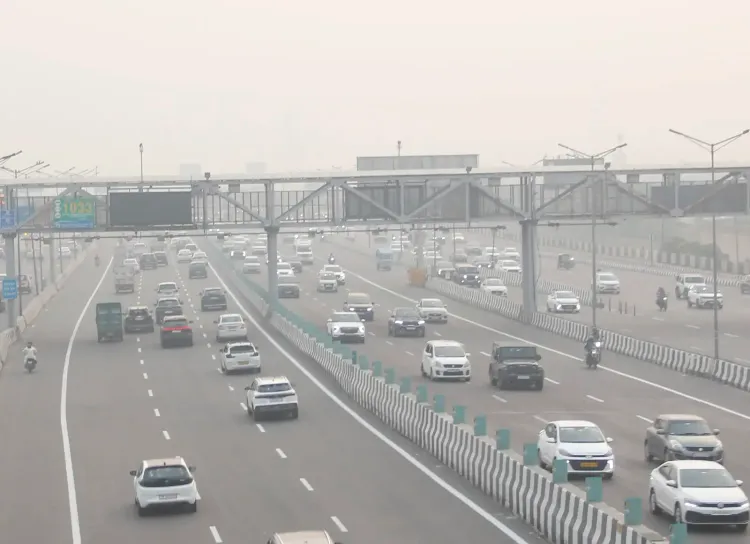
Days before Diwali, Delhi's AQI touched 324 — triggering GRAP Stage II across the entire NCR with immediate effect. With forecasts showing no improvement and fireworks season arriving, this pre-festival escalation signals what could become one of the worst pollution spells of the year.
Key Takeaways
CAQM invoked GRAP Stage II across Delhi-NCR on 2 November 2026 with immediate effect.
Delhi's daily average AQI rose to 324 , placing it in the 'Very Poor' category, according to the CPCB .
Forecasts from IMD and IITM indicate air quality is likely to remain in the 'Very Poor' range in coming days.
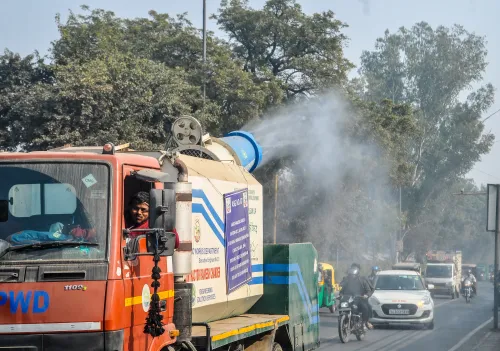
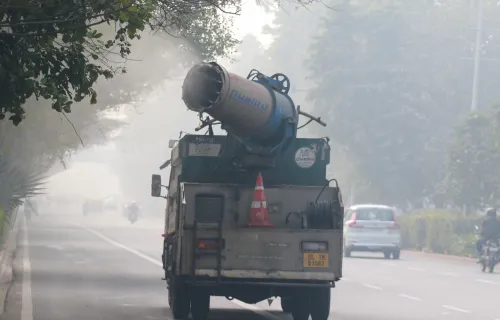
Mechanical road sweeping, dust suppressant sprinkling, and intensified construction site inspections have been ordered.
Public office timings are to be staggered across Delhi , Gurugram , Faridabad , Ghaziabad , and Gautam Buddha Nagar .
Citizens advised to avoid private vehicles, open burning, and to follow the Stage-II Citizen Charter .
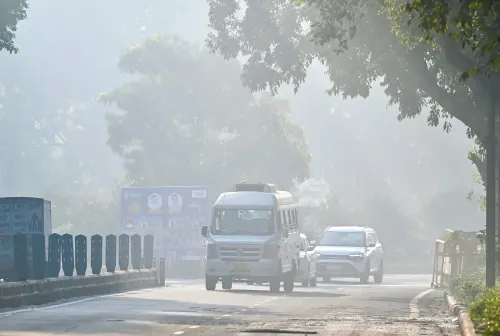
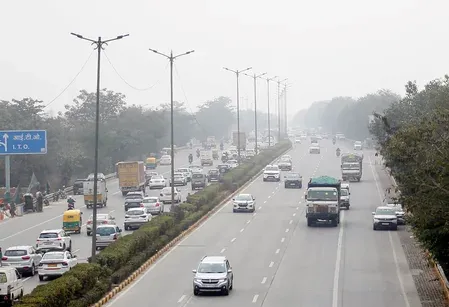
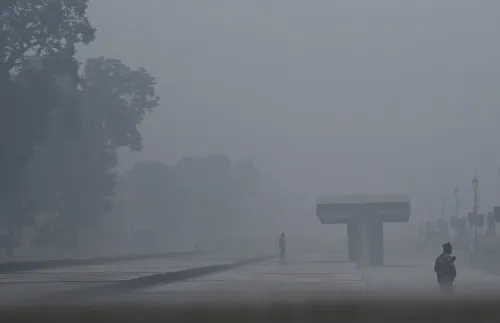
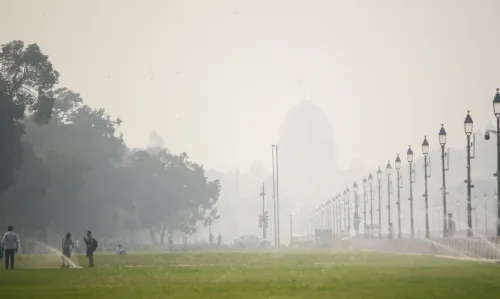
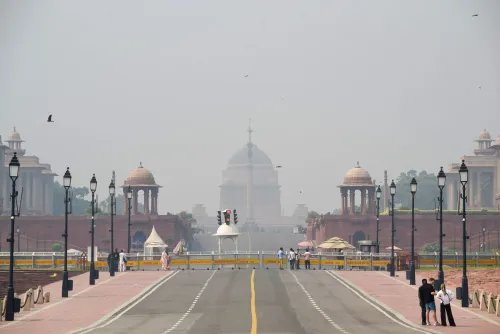
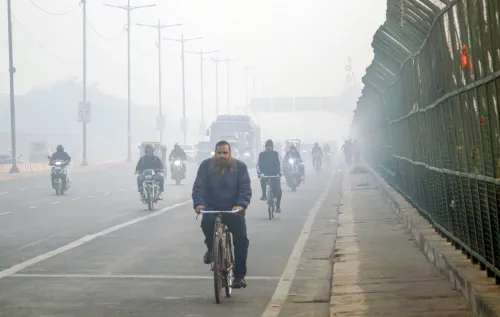
The Commission for Air Quality Management (CAQM) on Monday, 2 November 2026, invoked Stage-II of the Graded Response Action Plan (GRAP) across Delhi and the entire National Capital Region (NCR) with immediate effect, after the city's daily average Air Quality Index (AQI) climbed to 324 — firmly in the 'Very Poor' category. The timing is particularly alarming, with Diwali approaching and air quality forecasts offering little relief.
What Triggered the Escalation
According to the daily AQI bulletin issued by the Central Pollution Control Board (CPCB), Delhi's average AQI on 2 November was recorded at 324. The CAQM Sub-Committee reviewed the air quality data alongside forecasts from the India Meteorological Department (IMD) and the Indian Institute of Tropical Meteorology (IITM), which indicated that Delhi's air quality is likely to remain in the 'Very Poor' band in the coming days. The Sub-Committee unanimously decided to activate the complete Stage-II action plan across the NCR, layering it on top of Stage-I measures already in force.
Key Restrictions Under Stage II
Under Stage-II, authorities have been directed to carry out mechanical and vacuum sweeping of identified roads daily, along with water sprinkling — preferably during night or early morning hours — while increasing machine deployment shifts. Dust collected must be disposed of at designated sites. Daily water sprinkling with dust suppressants is also mandated before peak traffic hours at congestion points.
Inspections at construction and demolition sites are to be intensified to enforce dust control norms. Authorities have been instructed to expand vehicle parking availability to discourage private car use. Resident Welfare Associations (RWAs) have been directed to provide electric heaters to security, sanitation, and horticulture staff to prevent open burning of biomass and municipal solid waste — a persistent winter trigger.
Office Timings and Traffic Measures
The governments of Delhi and NCR states have been asked to stagger timings of public offices and municipal bodies across the National Capital Territory of Delhi and the districts of Gurugram, Faridabad, Ghaziabad, and Gautam Buddha Nagar. State governments may extend staggering to other NCR districts at their discretion. The Central Government has also been asked to consider staggering timings of its own offices in the region.
Advisory for Residents and Agencies
The CAQM has urged citizens to follow the Citizen Charter under Stage-II in addition to Stage-I guidelines. Residents have been advised to minimise use of personal vehicles, opt for public transport or carpooling, and avoid open burning of leaves, garbage, or biomass. Implementing agencies — including the Pollution Control Boards of NCR states and the Delhi Pollution Control Committee (DPCC) — have been directed to ensure strict enforcement of all Stage-II actions.
This is a pattern that repeats annually as Delhi transitions into winter, with stubble burning in neighbouring states, falling wind speeds, and cooler temperatures trapping pollutants close to ground level. This year, the escalation to Stage-II on the eve of Diwali raises the stakes further, as fireworks typically push AQI into the 'Severe' or 'Severe Plus' range for days after the festival. The CAQM stated it will monitor the situation closely and review air quality on a regular basis in the coming days.
Point of View
Days before Diwali, is a predictable outcome of a system that has consistently failed to prevent the crisis rather than merely respond to it. The same agencies, the same directives, and the same citizen advisories are issued each winter — yet Delhi's AQI routinely breaches 300 before the festival even begins. The staggering of office timings is a demand-side nudge rather than a structural fix; the real drivers — stubble burning in Punjab and Haryana, vehicle emissions, and construction dust — require coordinated inter-state enforcement that GRAP alone cannot deliver. With Diwali fireworks imminent, Stage III or Stage IV escalation looks less like a contingency and more like a near-certainty.
NationPress
2 Nov 2026
Frequently Asked Questions
What is GRAP Stage II and what does it mean for Delhi-NCR residents?
GRAP Stage II is the second tier of the Graded Response Action Plan, activated when Delhi's AQI crosses 300 into the 'Very Poor' category. It brings stricter enforcement of dust control at construction sites, daily mechanical road sweeping, water sprinkling with dust suppressants, and advisories for residents to minimise private vehicle use and avoid open burning.
Why was GRAP Stage II invoked on 2 November 2026?
The CAQM Sub-Committee activated Stage II after Delhi's daily average AQI reached 324 on 2 November, according to CPCB data. Forecasts from IMD and IITM indicated the air quality is likely to remain in the 'Very Poor' range, prompting immediate action ahead of Diwali.
Which districts are affected by GRAP Stage II restrictions?
The restrictions apply to the entire NCR, with office staggering specifically ordered for Delhi, Gurugram, Faridabad, Ghaziabad, and Gautam Buddha Nagar. State governments may extend staggering to other NCR districts, and the Central Government has been asked to consider the same for its offices.
What are citizens advised to do under GRAP Stage II?
Residents are advised to minimise use of personal vehicles, prefer public transport or carpooling, and avoid open burning of leaves, garbage, or biomass. They are also urged to follow the full Citizen Charter issued by CAQM under both Stage-I and Stage-II guidelines.
Could Delhi-NCR see further escalation to GRAP Stage III or IV?
The CAQM has stated it will monitor the situation and review air quality regularly in the coming days. Given that Diwali fireworks typically push AQI into the 'Severe' or 'Severe Plus' range, further escalation to Stage III or Stage IV remains a strong possibility if air quality does not improve.