Why Were Stage II GRAP Restrictions Lifted in NCR?
Synopsis
In a significant development, the Commission for Air Quality Management has lifted Stage II GRAP restrictions in NCR as Delhi's air quality shows improvement. The AQI has decreased steadily, prompting the decision to revoke these measures. However, Stage I actions remain in place to ensure continued air quality management. Stay informed about the ongoing efforts to maintain cleaner air in Delhi.
Key Takeaways
Stage II GRAP restrictions lifted due to improving air quality.
Delhi's AQI showed a decline from 261 to 214 in just two days.
Stage I actions will continue to be enforced.
Monitoring will remain strict to ensure air quality doesn't worsen.
Residents are urged to follow guidelines to help maintain improved conditions.
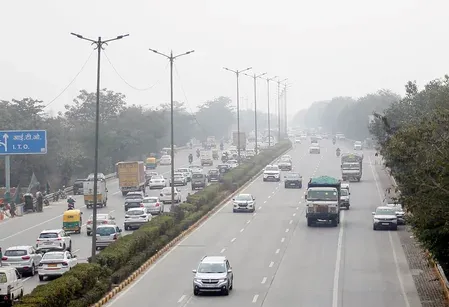
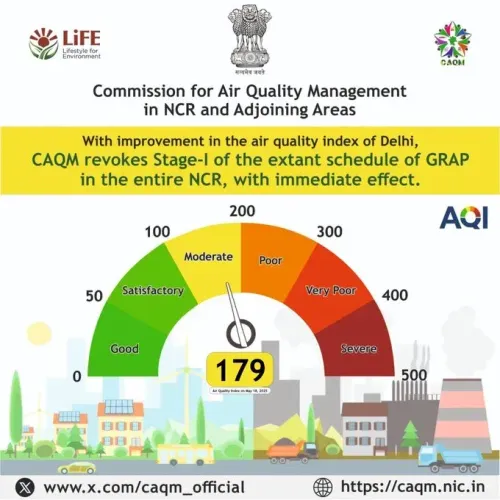
New Delhi, Feb 18 (NationPress) The Commission for Air Quality Management (CAQM) has made a significant announcement on Wednesday, lifting the Stage II restrictions under the Graded Response Action Plan (GRAP) throughout the National Capital Region (NCR) due to a consistent improvement in the air quality of Delhi.
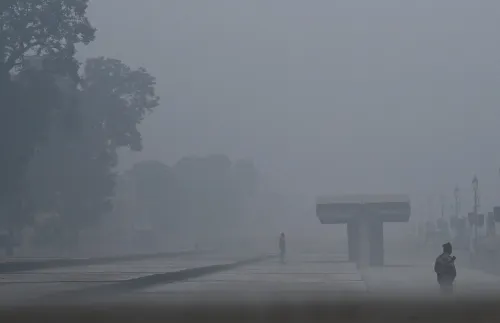
This decision was reached by the Sub-Committee on GRAP after assessing the latest air quality metrics and meteorological predictions. The Central Pollution Control Board (CPCB) reported that Delhi's average Air Quality Index (AQI) was recorded at 214 on Wednesday, categorizing it as ‘Poor’ but indicating a clear decline in pollution levels.
The AQI improved from 261 on February 16 to 249 on February 17 and further decreased to 214 on February 18, thanks to favorable weather conditions.
According to forecasts from the India Meteorological Department (IMD) and the Indian Institute of Tropical Meteorology (IITM), the AQI is anticipated to fluctuate between ‘Poor’ and ‘Moderate’ categories in the upcoming days.
“Given the positive trend in the average AQI for Delhi, the Sub-Committee has unanimously decided to annul Stage II of the ongoing GRAP across the entire NCR with immediate effect,” stated the Commission.
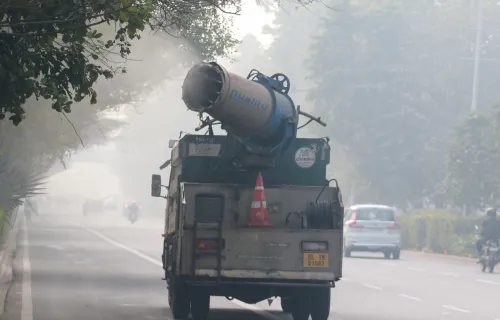
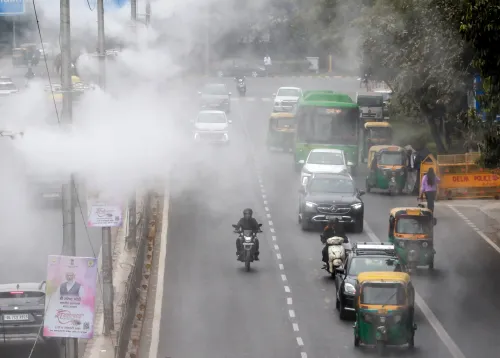
Nevertheless, officials clarified that all measures under Stage I of GRAP will continue. Agencies operating within the NCR have been instructed to enhance and rigorously implement Stage I actions to avert any further deterioration in air quality.
Officials noted that the GRAP framework, which outlines graded restrictions based on pollution levels, previously initiated Stage II on October 19, 2025, following a rise in AQI levels.
The Commission highlighted that continuous monitoring will persist, and agencies must remain vigilant to ensure pollution levels do not escalate again. Citizens are also encouraged to adhere to the Stage I guidelines to help maintain this improvement.
The Sub-Committee will keep a vigilant eye on air quality conditions and review the situation periodically based on real-time data and forecasts.
Point of View
The lifting of Stage II restrictions reflects the dynamic nature of air quality management in India. It demonstrates the government's responsiveness to improve environmental conditions while emphasizing the importance of ongoing vigilance and public cooperation in maintaining air quality. The approach taken by the Commission aligns with the nation's commitment to better air quality and public health.
NationPress
19 Sept 2026
Frequently Asked Questions
What prompted the revocation of Stage II GRAP restrictions?
The revocation of Stage II restrictions was prompted by a steady improvement in Delhi's air quality, with the average AQI showing a clear downward trend.
What does the current AQI data indicate?
The current AQI data indicates that Delhi's average AQI was at 214, categorizing it as 'Poor' but showing significant improvement from previous days.
Will Stage I restrictions still be enforced?
Yes, all measures under Stage I of GRAP will continue to remain in effect to prevent any further deterioration of air quality.
How will air quality be monitored moving forward?
The Sub-Committee will continuously monitor air quality and review the situation periodically based on real-time data and forecasts.