Why Did CAQM Revoke Stage III Curbs as Delhi's Air Quality Shows Improvement?
Synopsis
In a significant move, the CAQM has lifted Stage III restrictions on Delhi's air quality, following a minor uptick in AQI levels due to favorable wind conditions. The focus now shifts to Stage I and II measures to maintain air quality standards. This article delves into the implications of these changes and the ongoing efforts to combat air pollution.
Key Takeaways
Stage III curbs have been lifted due to improved air quality.
Focus remains on Stage I and II actions to maintain AQI levels.
Citizens are encouraged to adhere to guidelines under GRAP-I and II.
Continued monitoring of construction sites is essential.
Effective measures include mechanical cleaning and water sprinkling.
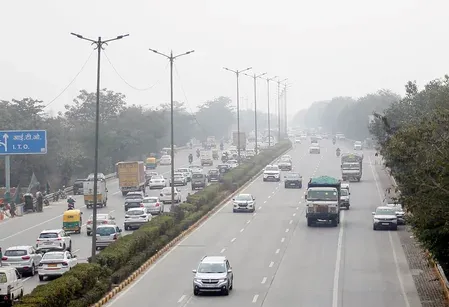
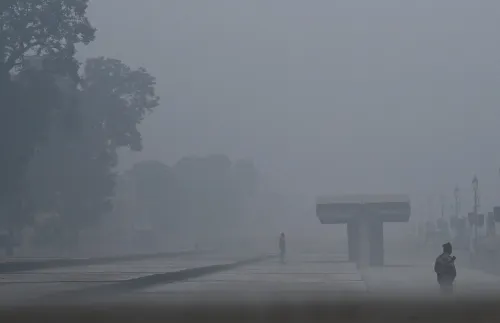
New Delhi, Jan 2 (NationPress) The Commission for Air Quality Management (CAQM) in Delhi NCR announced on Friday the cancellation of actions under Stage III ('severe' Air Quality) of the Graded Response Action Plan (GRAP) due to a slight enhancement in AQI, attributed to strong winds, according to an official statement.
In a review meeting, the Sub-Committee on GRAP opted to revoke its decision from December 13, 2025, which had invoked actions under Stage-III (‘Severe’ Air Quality). The committee recommended a stronger focus on actions under Stage I and Stage II going forward.
During this meeting, the Sub-Committee assessed the air quality situation in the area alongside forecasts from the IMD/IITM, as stated by the official.
Currently, Stages I, II, and III of the existing GRAP schedule remain in effect as per orders issued on October 14, October 19, and December 13, 2025, respectively.
Chairman of the Sub-Committee, S.D. Attri, remarked in an order post-meeting, “As we revoke GRAP Stage-III, it’s essential to prioritize adherence to the citizen charter under GRAP-I and II, especially during this winter season when conditions can worsen.”
The order clarified, “Stage-I and II actions will persist and be executed according to the modified GRAP from November 21, 2025, with monitoring by relevant agencies across the NCR to avoid a decline in AQI levels to ‘Severe/ Severe plus’.”
All operational agencies must maintain strict vigilance and heighten efforts under Stages I & II of the modified GRAP.
The Sub-Committee specified that construction and demolition sites, which received specific closure orders due to various violations and non-compliance with regulations, are prohibited from resuming work without a direct order from the Commission.
On October 19, the Sub-Committee unanimously implemented a 12-point action plan under Stage-II, enhancing existing Stage-I provisions. Agencies like the Pollution Control Boards of NCR states and the Delhi Pollution Control Committee (DPCC) have been directed to enforce these measures rigorously.
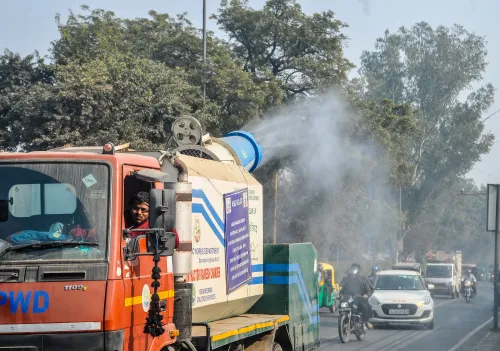
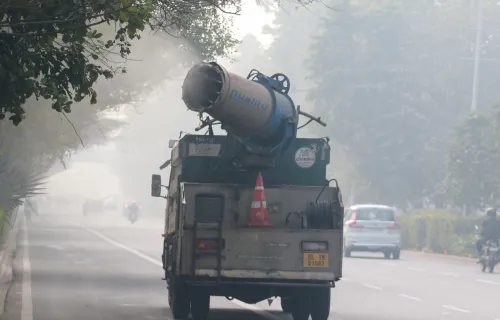
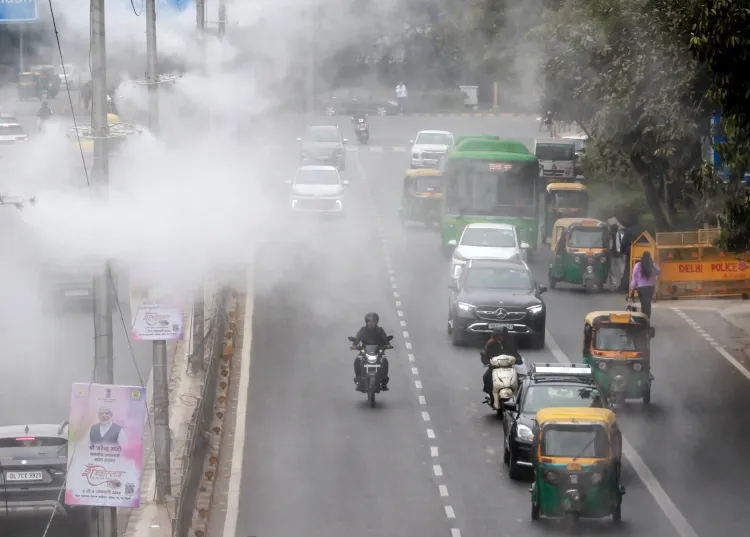
This initiative commenced with daily mechanical cleaning and water sprinkling on major roads, increasing machinery shifts, and applying dust suppressants at hotspots and traffic corridors prior to peak hours, alongside proper waste management.
Enhanced monitoring of construction sites, focused interventions at hotspots, and uninterrupted power supply to reduce diesel generator use were part of this plan. Diesel generator operations were limited to emergencies such as hospitals and public transport, following directives issued on September 29, 2023.
Point of View
It is crucial to recognize the delicate balance in air quality management. While lifting Stage III restrictions may appear beneficial due to improved AQI, we must remain vigilant. Citizens should continue to follow guidelines to ensure that air quality does not deteriorate. Commitment to long-term solutions is essential for our environment and health.
NationPress
21 Sept 2026
Frequently Asked Questions
What led to the revocation of Stage III curbs?
The revocation was prompted by a slight improvement in AQI levels due to favorable wind conditions, as reported by the CAQM.
What are the current stages of GRAP in force?
Stages I and II remain in effect, while Stage III has been revoked following the latest review.
What measures are being taken under Stage I and II?
Measures include daily mechanical sweeping, water sprinkling on roads, stricter checks on construction sites, and ensuring proper waste disposal.