Has CAQM Lifted GRAP-IV Restrictions Due to Improved Air Quality in Delhi?
Synopsis
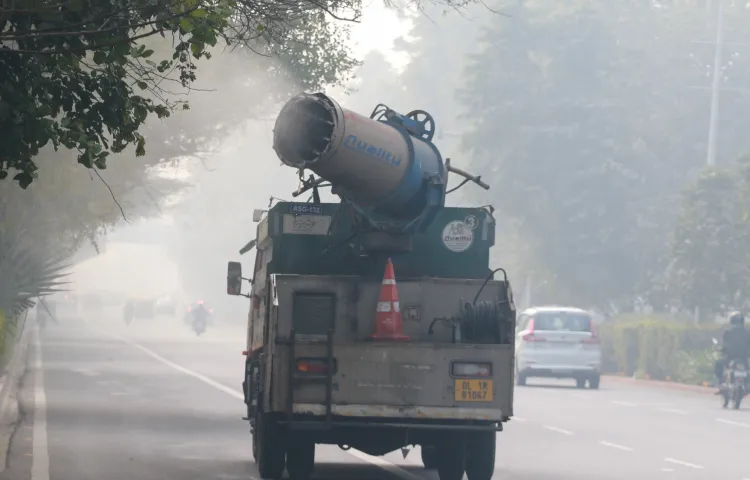
In a significant move, the CAQM has lifted GRAP-IV restrictions as Delhi's air quality shows improvement. This decision, based on recent AQI data, reflects a hopeful shift in pollution management. Stay tuned to understand the implications of this change on public health and environmental policy.
Key Takeaways
Delhi's air quality shows improvement with AQI levels dropping.
CAQM lifted GRAP-IV restrictions effective immediately.
Monitoring of other GRAP stages will continue to prevent AQI escalation.
Construction sites under closure orders must await specific instructions to resume.
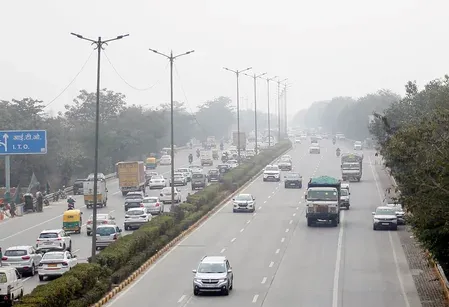
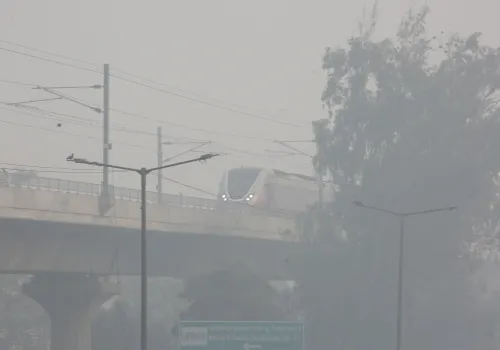
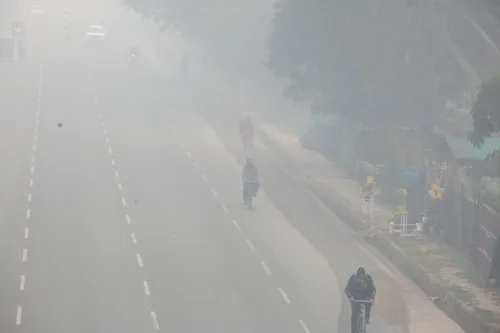
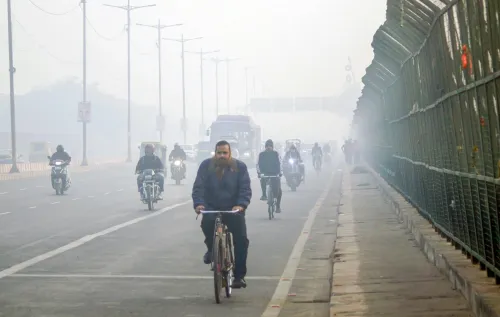
New Delhi, Jan 20 (NationPress) Following a slight enhancement in the air quality of Delhi, the Commission for Air Quality Management in the Delhi-NCR region has officially lifted the stringent regulations imposed under the Graded Response Action Plan (GRAP) Stage IV, which had been active since January 17, as stated by an official.
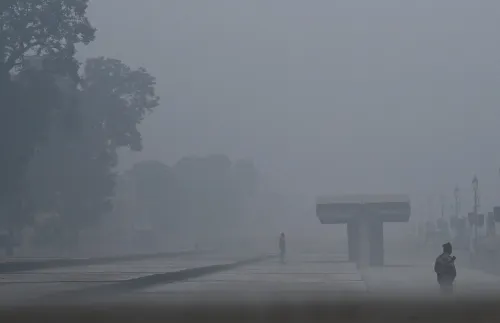
The CAQM noted in its announcement, “Delhi’s daily average AQI showed a remarkable improvement, registering at 440 on January 18, which further decreased to 410 on Monday, and finally reached 378 on Tuesday according to the daily AQI Bulletin issued by the Central Pollution Control Board (CPCB).”
“Observing this downward trend in AQI levels in Delhi, the CAQM Sub-Committee on GRAP convened today to assess the current air quality situation in the region along with the meteorological forecasts and air quality index provided by IMD/IITM,” it mentioned.
Considering the disruptive nature of Stage IV restrictions impacting numerous stakeholders and the general public, along with the observed improvement in Delhi’s average AQI, the GRAP Sub-Committee collectively decided to lift Stage IV of the current GRAP schedule throughout the NCR immediately, as per the statement.
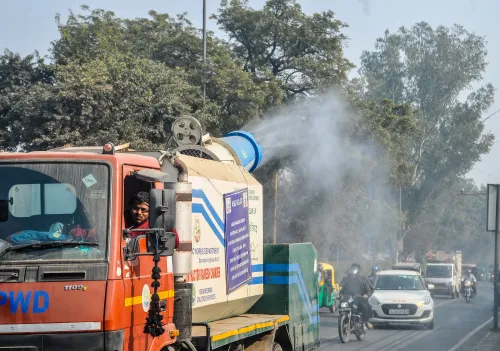
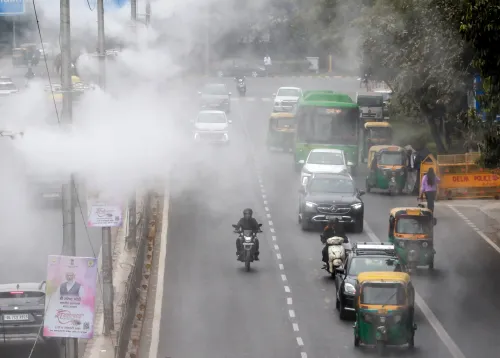
“Moreover, all measures under Stages III, II, and I of the existing GRAP schedule (November 2025) will remain enforced and will be closely monitored and reviewed by all relevant agencies in NCR to ensure that AQI levels do not escalate in the upcoming days,” the CAQM added.
It emphasized that construction and demolition sites that received closure orders due to violations of various statutory directions, rules, and guidelines cannot resume operations without a specific directive from the Commission.
Point of View
We must recognize the importance of air quality management in urban environments like Delhi. The recent decision by CAQM to revoke GRAP-IV restrictions reflects a positive trend in air quality, but it also highlights the ongoing need for vigilance and adherence to air quality regulations to protect public health.
NationPress
16 Oct 2026
Frequently Asked Questions
What led to the revocation of GRAP-IV restrictions?
The revocation was prompted by a noticeable improvement in Delhi's air quality, as indicated by a decrease in the daily average AQI.
What is the current AQI level in Delhi?
As of January 20, the AQI in Delhi has improved to 378.
Will other GRAP stages remain in effect?
Yes, measures under Stages III, II, and I of the existing GRAP schedule will continue to be enforced.
Are construction sites allowed to resume operations?
No, construction and demolition sites that have received closure orders cannot resume without specific permission from the Commission.