Has Delhi Slipped into the ‘Severe’ Air Quality Category?
Synopsis
As pollution levels in Delhi reach alarming heights, the CAQM has enacted Stage-III GRAP restrictions. With the air quality index surpassing 400, urgent measures are taken to combat the deteriorating situation. Discover how these restrictions will impact daily life in the capital.
Key Takeaways
Delhi's air quality has reached 'Severe' levels.
Stage-III GRAP restrictions are now in effect.
All BS-IV diesel vehicles from outside Delhi are banned.
Compliance with GRAP measures is crucial for public health.
Continuous monitoring will dictate future restrictions.
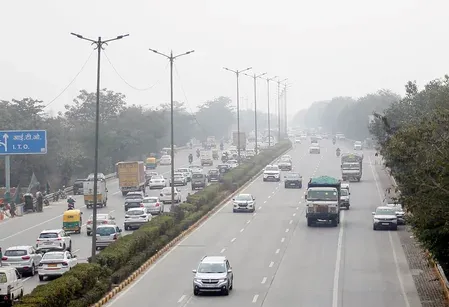
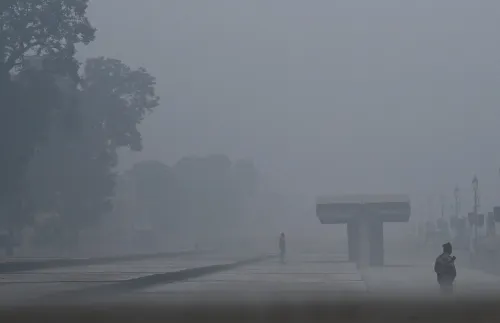
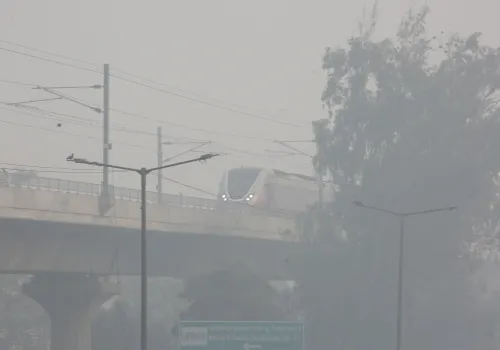
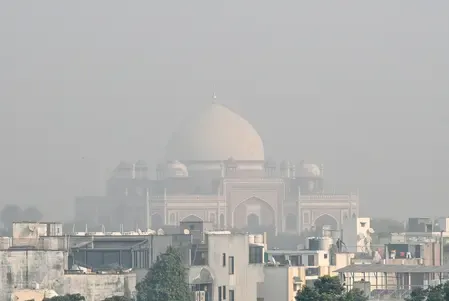
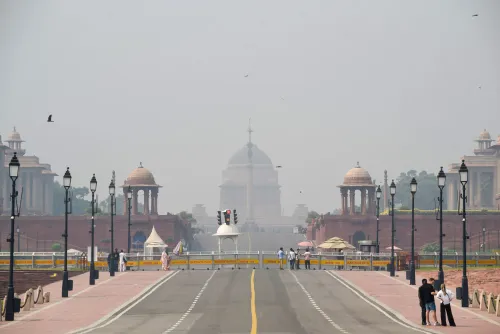
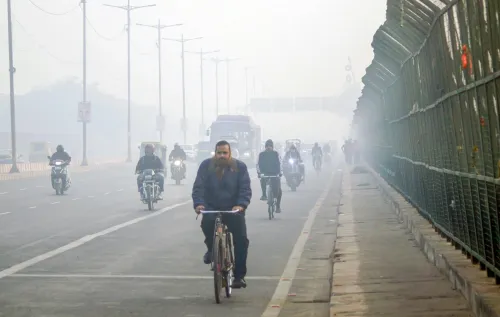
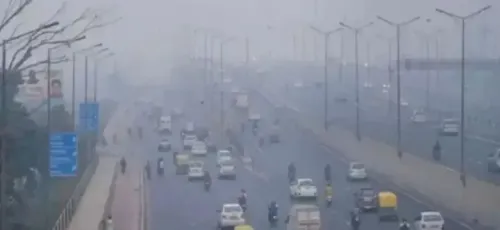
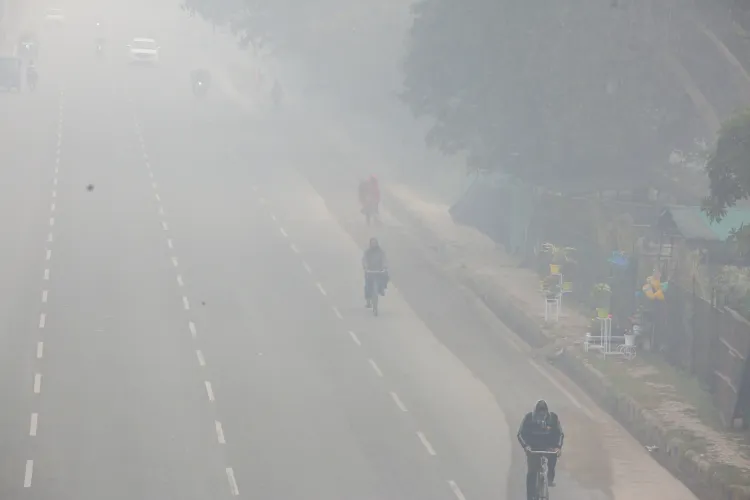
New Delhi, Dec 13 (NationPress) As the air quality in the capital continues to decline sharply, the Commission for Air Quality Management (CAQM) has implemented Stage-III restrictions under the Graded Response Action Plan (GRAP) across the entire Delhi-NCR region, officially classifying it in the 'Severe' pollution category.
This decision was prompted as Delhi's Air Quality Index (AQI) soared past the 400 mark on Friday morning, reaching 401 by 10 AM.
Analysis by the Sub-Committee on GRAP indicated a consistent worsening of air quality over the previous three days, with AQI values climbing from 259 on December 10 to 307 on December 11, and 349 on December 12, before surpassing the 'Severe' threshold.
The CAQM attributes this deterioration to adverse meteorological conditions, such as extremely low wind speed, stable atmospheric conditions, and unfavorable dispersion parameters that have trapped pollutants in the area.
A change in wind direction towards the east has exacerbated the concentration of PM2.5, the leading winter pollutant, with nearly all monitoring stations reporting elevated levels of fine particulate matter.
With the implementation of Stage-III GRAP, all actions designated for 'Severe' air quality will be activated immediately, in addition to the existing measures under Stages I and II.
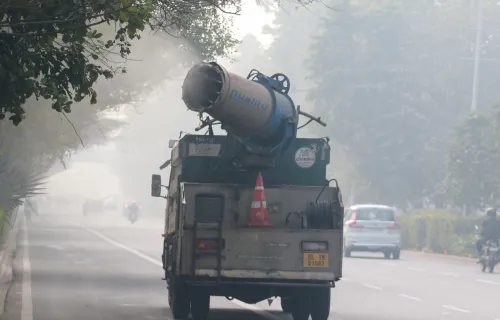
These actions entail stricter regulations on dust control at construction sites, boosted enforcement against polluting activities, and enhanced monitoring by civic and enforcement bodies across the NCR.
Notably, the CAQM has stated that BS-IV diesel-operated light commercial vehicles (LCVs) registered outside Delhi will be prohibited from entering the city, except for those transporting essential goods or providing essential services.
This restriction supersedes earlier relaxations, as GRAP measures are classified as emergency responses.
However, BS-III and older diesel commercial vehicles registered outside Delhi remain entirely barred from entering the capital, even if engaged in essential services, in accordance with previous directives effective from November 1, 2025.
The CAQM has instructed all implementing agencies within Delhi-NCR to ensure rigorous compliance and has encouraged residents to follow the GRAP citizen charter.
The Sub-Committee will continue to monitor air quality closely and reassess restrictions based on forecasts from the India Meteorological Department and IITM.
Point of View
It's crucial to emphasize that while pollution in Delhi poses significant health risks, the government's swift action through GRAP measures showcases an urgent response to this environmental crisis. Awareness and compliance from citizens will be key to mitigating the effects of such severe air quality issues.
NationPress
29 Sept 2026
Frequently Asked Questions
What is the Air Quality Index (AQI)?
The Air Quality Index (AQI) is a numerical scale used to communicate how polluted the air currently is or how polluted it is forecast to become. Higher AQI values indicate worse air quality.
What measures are included in Stage-III GRAP?
Stage-III GRAP includes stricter dust control measures at construction sites, enhanced enforcement against pollution sources, and immediate activation of all actions prescribed for severe air quality.
Can BS-IV diesel vehicles enter Delhi?
No, BS-IV diesel-operated light commercial vehicles registered outside Delhi are prohibited from entering the city, except for those carrying essential goods or providing essential services.
What are PM2.5 pollutants?
PM2.5 refers to particulate matter with a diameter of 2.5 micrometers or smaller, which can penetrate deep into the lungs and is particularly harmful to health.
How can citizens help improve air quality?
Citizens can help by reducing vehicle use, avoiding open burning, adhering to GRAP guidelines, and using public transport whenever possible.