Delhi AQI hits 377 for third straight day as thick smog grips NCR
Synopsis
Delhi's air quality clocked AQI 377 for a third straight day on 4 November, with 20 of 59 monitoring stations hitting 'severe' levels — and Diwali still ahead. GRAP Stage II is now in force across the NCR, but forecasters warn conditions will not ease before Friday at the earliest, setting up a potential public health flashpoint.
Key Takeaways
Delhi's AQI stood at 377 at 8 am on 4 November , marking a third consecutive day in the 'very poor' category.
20 of 59 monitoring stations recorded 'severe' air quality; Punjabi Bagh ( 456 ) and Jahangirpuri ( 450 ) were the worst.
GRAP Stage II was activated on 2 November after the 24-hour average AQI hit 324 — the first 'very poor' reading of the season.
Stage I restrictions, imposed on 21 October at AQI 244 , ban diesel vehicles older than 10 years and petrol vehicles older than 15 years , among other measures.
Air quality is forecast to remain 'very poor' until at least Friday, 6 November , with Diwali raising the risk of further deterioration.
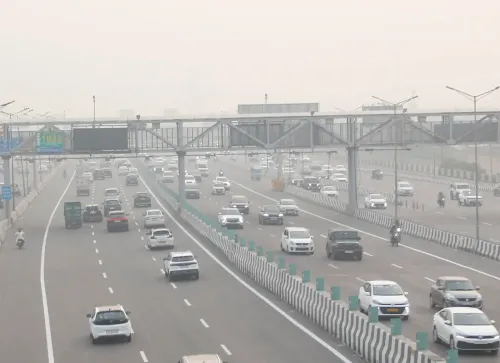
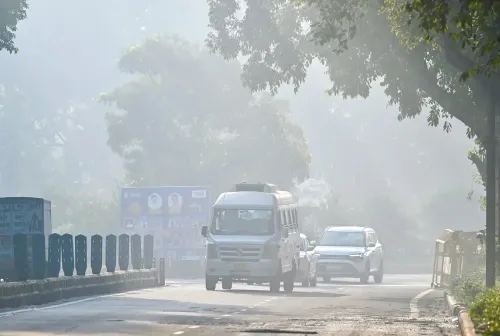
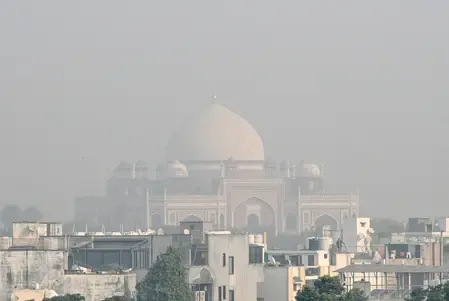
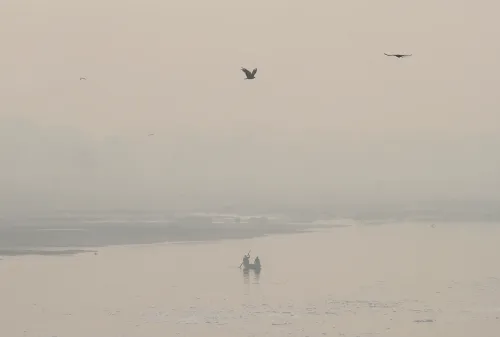
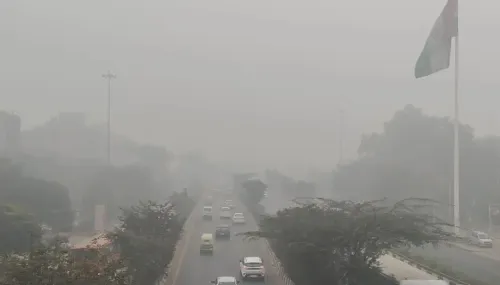
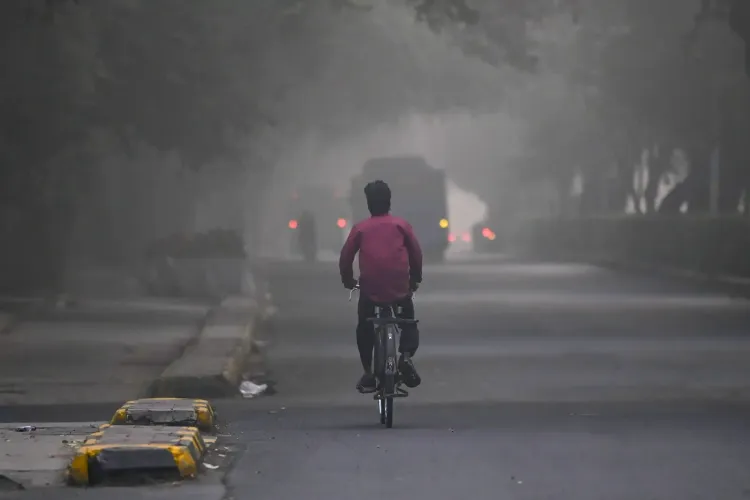
New Delhi's air quality remained entrenched in the 'very poor' category for a third consecutive day on Wednesday, 4 November, with the city's Air Quality Index (AQI) clocking 377 at 8 am. A dense smog blanket continued to smother large swathes of Delhi-NCR as winter sets in, compounding public health concerns ahead of Diwali.
Hotspots and Severity Breakdown
PM2.5 remained the dominant pollutant driving the crisis. The situation was particularly severe in Punjabi Bagh and Jahangirpuri, which recorded AQI readings of 456 and 450 respectively, placing both firmly in the 'severe' category. Mundka logged 436 and the area near IIT Delhi recorded 438.
Across Delhi's 59 air quality monitoring stations, 20 reported 'severe' air quality, 33 remained in the 'very poor' bracket, and the remainder registered 'poor' conditions. Other stations in the red zone included Rohini (436), Delhi Technological University (435), Vivek Vihar (435), Sonia Vihar (424), RK Puram (428), Siri Fort (419), and North Campus, Delhi University (416).
GRAP Stage II in Force Across NCR
The air quality deterioration triggered escalating regulatory action. Stage I of the Graded Response Action Plan (GRAP) was imposed on 21 October, when Delhi's AQI stood at 244. With the 24-hour average AQI breaching 324 on Monday, 2 November — marking the first entry into the 'very poor' zone this season — the Commission for Air Quality Management (CAQM) escalated to Stage II restrictions across the entire NCR with immediate effect.
Stage I measures include promoting public transport, mandatory checks of Pollution Under Control (PUC) certificates, banning diesel vehicles older than 10 years and petrol vehicles older than 15 years, restricting coal and firewood use at roadside eateries and commercial tandoors, and curbing diesel generator sets. Stage II layers additional curbs on top of these baseline restrictions.
Forecast and Diwali Concern
According to the Air Quality Early Warning System for Delhi, conditions are unlikely to improve before at least Friday, 6 November, with the AQI expected to remain in the 'very poor' category through the week. The timing is particularly worrying given that Diwali celebrations — historically associated with a sharp spike in firecracker-linked particulate matter — are approaching, and authorities are bracing for a potential jump to 'severe' conditions across a wider area.
What This Means for Residents
Prolonged exposure to PM2.5 at these concentrations is associated with respiratory and cardiovascular health risks, particularly for children, the elderly, and those with pre-existing conditions. With no meaningful meteorological relief — such as strong winds or rainfall — forecast in the near term, public health advisories urging reduced outdoor activity and the use of masks are expected to remain in force. How the city's air quality trajectory plays out over the Diwali period will be a critical test of GRAP enforcement on the ground.
Point of View
Well-documented failure of coordination between the Centre, the AAP-led Delhi government, and neighbouring states. GRAP activations make headlines, but enforcement on stubble burning, construction dust, and vehicular emissions remains patchy at best. With Diwali approaching and the AQI already at 377 on 4 November, the city is entering its most dangerous pollution window with baseline air quality already compromised. The real accountability question is not whether Stage II restrictions exist on paper, but whether the CAQM has the enforcement bandwidth to make them stick in real time.
NationPress
4 Nov 2026
Frequently Asked Questions
What is Delhi's AQI today and what category does it fall in?
Delhi recorded an AQI of 377 at 8 am on 4 November 2026, placing it in the 'very poor' category for a third consecutive day. PM2.5 is the primary pollutant driving the reading.
Which areas in Delhi have the worst air quality right now?
Punjabi Bagh (AQI 456) and Jahangirpuri (450) are the most severely affected, both in the 'severe' category. Mundka (436), IIT Delhi area (438), Rohini (436), and RK Puram (428) are also in the severe zone.
What is GRAP Stage II and what restrictions does it impose?
GRAP Stage II is the second level of the Graded Response Action Plan, activated when Delhi's 24-hour average AQI crosses 300 into the 'very poor' category. It builds on Stage I measures, which include banning diesel vehicles older than 10 years and petrol vehicles older than 15 years, restricting coal and firewood use at eateries, checking PUC certificates, and curbing diesel generators.
When is Delhi's air quality expected to improve?
According to the Air Quality Early Warning System for Delhi, AQI is forecast to remain in the 'very poor' category until at least Friday, 6 November. No significant meteorological relief — such as strong winds or rainfall — is expected before then.
Why is the air quality particularly concerning this year ahead of Diwali?
Delhi's AQI has already entered the 'very poor' zone before Diwali, which historically triggers a sharp spike in particulate matter due to firecracker emissions. With 20 monitoring stations already in the 'severe' category and GRAP Stage II in force, authorities and health experts warn that Diwali-night pollution could push large parts of the NCR into extreme 'severe' territory.