Karnataka demands mandatory ethanol blend display at fuel pumps after tests show 25–31% content
Synopsis
Karnataka's lab tests reportedly found petrol ethanol content as high as 31.2% — far above the legal 20% ceiling — at pumps across seven districts. Minister Rizwan Arshad has put a ₹1.01 lakh crore annual cost on consumers and is demanding mandatory blend disclosure, OMC accountability, and compensation for vehicle damage. It is a direct political and regulatory challenge to the Centre's flagship ethanol blending programme.
Key Takeaways
Karnataka launched Mission Nikhara fuel quality inspections across 7 districts , with samples sent to NABL-accredited labs.
Lab reports allegedly found ethanol content of 31.2% in IOCL petrol, 30.5% in HPCL MS-Power, and 25.5% in Shell petrol — all exceeding the 20% regulatory ceiling.
Minister Rizwan Arshad estimated a consumer burden of up to ₹1.01 lakh crore annually from mileage loss and vehicle repairs.
An estimated 99% of India's 35 crore vehicles are reportedly not designed for blends above E20.
Karnataka demanded mandatory ethanol blend display at all fuel pumps, action against OMCs and time-bound compensation for vehicle damage.
IOCL, BPCL and HPCL reported combined profits of ₹77,821 crore in 2025–26 , cited by the minister to counter the foreign-exchange-saving argument.
The Karnataka government has formally demanded that all fuel stations across the country be mandated to display the ethanol blending percentage in petrol, after laboratory tests allegedly found ethanol content far exceeding the permissible 20 per cent limit in samples collected from multiple outlets across the state. The push comes under 'Mission Nikhara', the state's drive to ensure fuel quality and accurate measurement at every pump.
What the Lab Reports Found
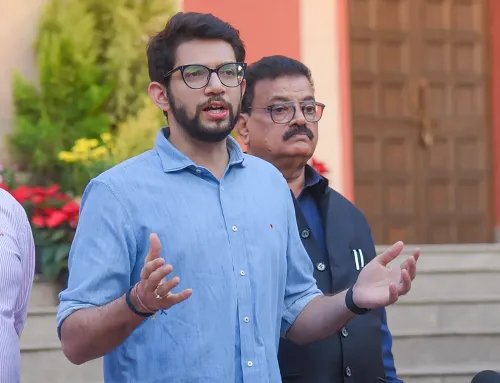
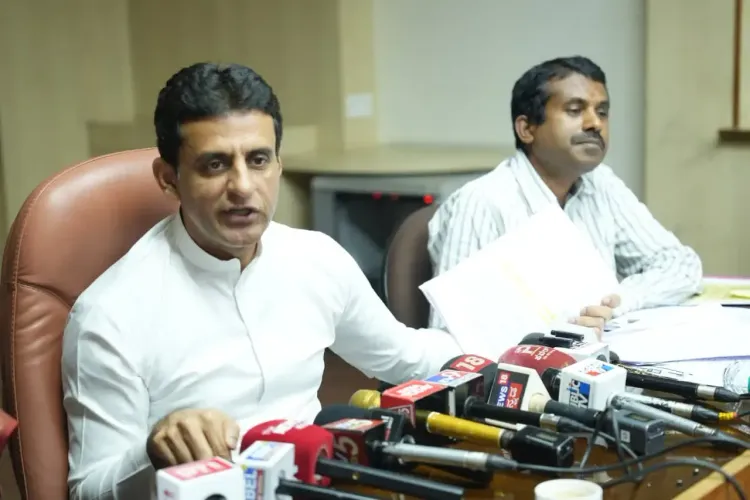
Speaking at a press conference in Bengaluru on Friday, 6 November 2026, Food, Civil Supplies, Consumer Affairs and Legal Metrology Minister Rizwan Arshad said tests conducted by NABL-accredited and ISO-certified laboratories had returned alarming numbers. Samples from Indian Oil Corporation Ltd (IOCL) petrol reportedly contained 31.2 per cent ethanol, HPCL's MS-Power recorded 30.5 per cent, HPCL petrol showed 27 per cent, BPCL's MS-Speed 26.5 per cent, Nayara petrol 26.1 per cent, and Shell petrol 25.5 per cent — all well above the current regulatory ceiling.
Samples were drawn from outlets in Bengaluru, Kolar, Chikkaballapura, Bengaluru Rural, Ramanagara, Mangaluru and Tumakuru, following inspections ordered by Chief Minister D.K. Shivakumar through the Legal Metrology Department.
Transparency Concerns Over OMC Testing
Arshad said the samples were initially sent to the in-house laboratories of IOCL and BPCL, but those reports did not disclose ethanol content — despite it being a prescribed testing parameter under regulations. The minister questioned the transparency of oil marketing companies (OMCs) and asserted that consumers had a fundamental right to know the composition of the fuel they purchase.
He also demanded that the Union Ministers for Road Transport and Highways and Petroleum and Natural Gas publicly clarify the actual ethanol blend being supplied to consumers across India.
Vehicle Damage and Consumer Cost Estimates
Arshad warned that ethanol blends above E20 could reduce mileage and damage critical vehicle components, including filters, fuel pumps, injectors, hoses and seals. He claimed that an estimated 99 per cent of India's approximately 35 crore vehicles were not engineered for blends above E20, and that even vehicles sold after April 2023 were certified only for E20 compatibility.
Based on annual fuel consumption of 6,200 crore litres and a petrol price of ₹100 per litre, the minister estimated that a 10 per cent mileage loss alone could impose an additional burden of ₹62,000 crore on consumers annually. Vehicle repairs arising from component damage could add another ₹39,000 crore, pushing the total estimated consumer burden to approximately ₹1.01 lakh crore per year.
Demands: Compensation, Action and Disclosure
The Karnataka government has sought action against OMCs supplying petrol with ethanol content above 20 per cent and called for a time-bound compensation mechanism for consumers whose vehicles have suffered damage, with damage certified by authorised service centres. Arshad also pointed to the combined profits of ₹77,821 crore reported by IOCL, BPCL and HPCL in 2025–26, arguing that the Centre's claim that ethanol blending helps save foreign exchange had not translated into any tangible benefit for ordinary consumers.
Under Mission Nikhara, the state intends to continue inspections and testing across Karnataka, using powers available under the Motor Spirit and High Speed Diesel (Regulation of Supply and Distribution and Prevention of Malpractices) Order, 2005, to act against irregularities and enforce quality and quantity standards at every fuel outlet.
The Centre has not yet issued a formal response to Karnataka's demands; how the Union government and OMCs respond to both the data and the compensation demand will determine whether this escalates into a national regulatory reckoning for India's ethanol blending programme.
Point of View
But increasingly contested on consumer welfare grounds. If the NABL lab findings hold up to scrutiny, the question is not just regulatory non-compliance by OMCs but a structural gap: the blending mandate was scaled up faster than India's vehicle fleet could technically absorb it. The ₹1.01 lakh crore burden estimate is a political number, but even a fraction of that cost falling on consumers with no disclosure or recourse would represent a genuine policy failure. The conspicuous silence of OMC in-house labs on ethanol content — a prescribed parameter — also raises uncomfortable questions about regulatory capture that the Union government will find hard to dismiss.
NationPress
6 Nov 2026
Frequently Asked Questions
What did Karnataka's fuel tests under Mission Nikhara find?
NABL-accredited lab tests commissioned by the Karnataka government reportedly found ethanol content ranging from 25.5% to 31.2% in petrol samples collected from IOCL, HPCL, BPCL, Nayara and Shell outlets across seven districts. The legal ceiling for ethanol blending in petrol is 20 per cent.
What is Mission Nikhara?
Mission Nikhara is Karnataka's state-level drive to ensure fuel quality and accurate measurement at petrol stations. It involves inspections by the Legal Metrology Department and independent laboratory testing of petrol samples from outlets across the state.
How much could excess ethanol blending cost consumers?
Minister Rizwan Arshad estimated that a 10% mileage loss from excess ethanol could cost consumers ₹62,000 crore annually based on 6,200 crore litres of fuel consumed at ₹100 per litre. Vehicle repair costs could add another ₹39,000 crore, putting the total estimated burden at ₹1.01 lakh crore per year.
Which vehicles are at risk from high ethanol blends?
According to Minister Arshad, an estimated 99% of India's approximately 35 crore vehicles are not engineered for ethanol blends above E20. Even vehicles sold after April 2023 are certified only for E20, meaning any blend above 20% could damage fuel system components including pumps, injectors, hoses and seals.
What action has Karnataka demanded from the Centre?
Karnataka has demanded mandatory display of ethanol blend percentages at all fuel pumps, public clarification from the Union Ministers for Road Transport and Petroleum on actual blend levels, action against OMCs supplying above-E20 petrol, and a time-bound compensation process for consumers whose vehicles have been damaged.