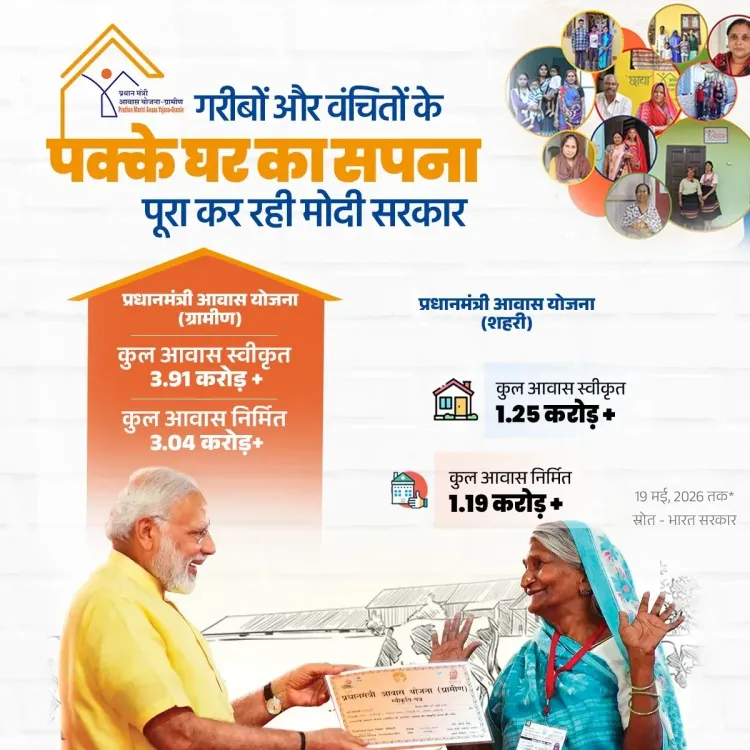
CM Samrat Choudhary backs PMAY as pillar of dignity for poor
Synopsis
Bihar Chief Minister Samrat Choudhary on 22 May 2026 praised the Pradhan Mantri Awas Yojana, saying it has fulfilled the dream of home ownership for crores of poor families and calling every pucca house a foundation of dignity, security, and a better future under PM Modi's leadership.
Key Takeaways
Bihar Chief Minister Samrat Choudhary publicly endorsed Pradhan Mantri Awas Yojana (PMAY) on 22 May 2026 .
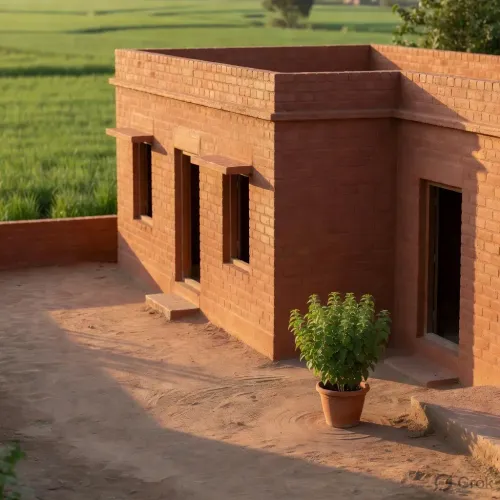
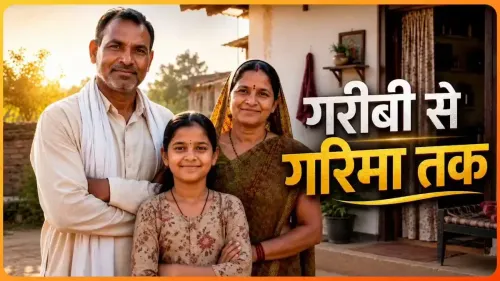
He described every pucca house as 'a strong foundation of dignity, security, and a better future' — not merely a roof.
PMAY was launched in June 2015 as the 'Housing for All' mission for rural and urban poor families.
The scheme was extended beyond its original 2022 deadline with revised targets in subsequent Union Budgets.
Bihar is a major implementation state for the rural component of PMAY given its large low-income population.
The post aligns with the Viksit Bharat narrative linking basic welfare delivery to India's development goals by 2047 .
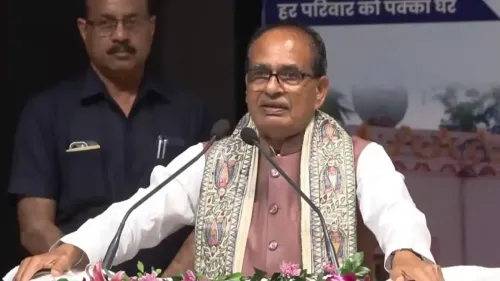
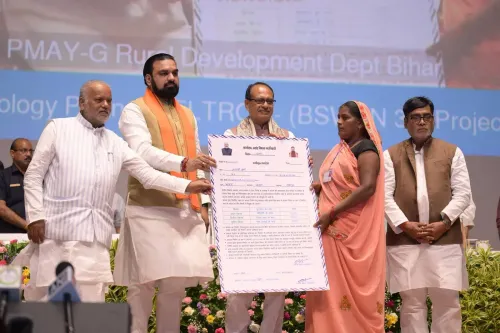
Bihar Chief Minister Samrat Choudhary on Friday, 22 May 2026, publicly backed the Pradhan Mantri Awas Yojana (PMAY), saying the central housing scheme has turned the dream of home ownership into reality for crores of poor families across India.
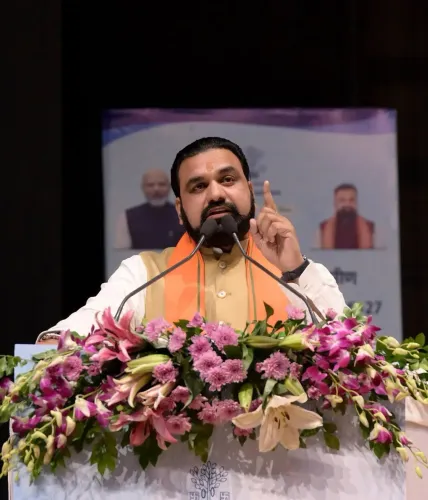
Posting on X, Choudhary wrote in Hindi: 'Pradhan Mantri Awas Yojana ne croro garib parivaron ke apne ghar ke sapne ko sakar kiya hai' — 'Pradhan Mantri Awas Yojana has fulfilled the dream of their own home for crores of poor families.' He added that every pucca house is not merely a roof, but 'a strong foundation of dignity, security, and a better future,' crediting Prime Minister Narendra Modi's leadership for empowering every section of society.
Context
The post comes as the BJP-led central government and its allied state administrations continue to amplify the reach and symbolism of PMAY as a cornerstone welfare delivery. For Bihar — one of India's most populous and economically disadvantaged states — housing for the rural and urban poor carries particular electoral and developmental weight. Choudhary's statement frames the scheme not merely as infrastructure but as a vehicle for social dignity.
Policy Backdrop
Pradhan Mantri Awas Yojana was launched in June 2015 under the 'Housing for All' mission, targeting pucca (permanent) houses for eligible rural and urban poor families. The scheme operates through two streams: PMAY-Gramin for rural beneficiaries and PMAY-Urban for city-dwellers, with financial assistance channelled directly to beneficiaries. After the original 2022 deadline, the programme was extended with revised targets and fresh allocations announced in subsequent Union Budgets, reflecting the scale of unmet demand.
Bihar has been a significant implementation ground for the rural component, given the state's large proportion of households without permanent housing. The scheme dovetails with other central programmes — including Swachh Bharat Mission and Pradhan Mantri Ujjwala Yojana — that together project a comprehensive upliftment of lower-income groups under the broader Viksit Bharat vision, which frames a developed India by 2047.
Stakeholders and Impact
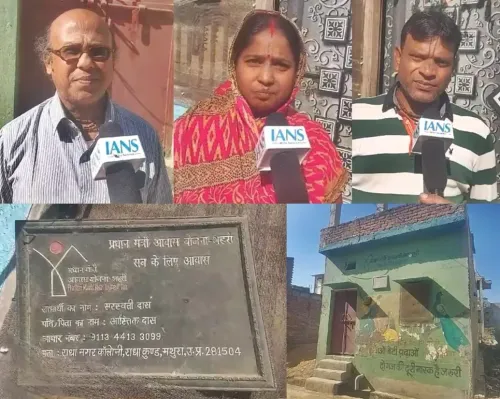
The primary beneficiaries of PMAY are rural households below the poverty line, urban slum dwellers, and economically weaker sections who lack access to formal housing finance. In Bihar, these groups represent a substantial share of the electorate, making housing delivery both a governance priority and a political signal. Chief Minister Choudhary's public endorsement reinforces the state government's alignment with the central scheme and its messaging around tangible welfare outcomes.
BJP-governed states have consistently used PMAY milestones to project the Modi government's welfare credentials, positioning the scheme alongside the Viksit Bharat narrative that links basic needs — housing, sanitation, cooking gas — to national development ambitions.
What's Next
Attention will turn to the next Union Budget and parliamentary session for any fresh PMAY funding announcements or revised completion targets. Progress on house construction and beneficiary saturation across Bihar's districts will be a key metric for assessing whether the scheme's on-ground delivery matches the political messaging. Any upward revision in targets or additional central allocation would likely prompt further amplification by state leaders.
Point of View
Dignity-centred entitlement rather than a subsidy. By invoking PM Modi's leadership alongside the Viksit Bharat hashtag, the statement consciously ties state-level implementation credit to the central government's political brand. For Bihar, where housing deprivation is acute and electoral stakes are high, such messaging serves a dual purpose: validating on-ground delivery and reinforcing the party's welfare-nationalist identity. The forward reference to Viksit Bharat 2047 also signals that PMAY is being positioned as a long-cycle programme, insulating it from short-term completion-target criticism.
NationPress
5 Oct 2026
Frequently Asked Questions
What is Pradhan Mantri Awas Yojana and who benefits from it?
Pradhan Mantri Awas Yojana (PMAY) is a central government scheme launched in June 2015 to provide permanent pucca houses to eligible rural and urban poor families under the 'Housing for All' mission. Beneficiaries include households below the poverty line, urban slum dwellers, and economically weaker sections.
What did Bihar CM Samrat Choudhary say about PMAY?
On 22 May 2026, Bihar Chief Minister Samrat Choudhary said PMAY has fulfilled the dream of home ownership for crores of poor families, calling every pucca house a strong foundation of dignity, security, and a better future, and crediting PM Narendra Modi's leadership.
Has PMAY been extended beyond its original 2022 deadline?
Yes. After the original 2022 target, the Pradhan Mantri Awas Yojana was extended with revised targets and additional allocations announced in subsequent Union Budgets, reflecting ongoing demand for permanent housing among low-income households.
How is Bihar involved in PMAY implementation?
Bihar is one of the largest implementation states for PMAY-Gramin, the rural component of the scheme, given its high proportion of households without permanent housing. The state government has been actively rolling out the programme for low-income rural and urban beneficiaries.
What is Viksit Bharat and how does it relate to PMAY?
Viksit Bharat is the government's vision for a developed India by 2047. Housing under PMAY is framed as foundational to this vision, linking the provision of permanent homes to broader goals of dignity, economic mobility, and comprehensive welfare for lower-income groups.