Shivraj Singh Chouhan Highlights Modi Govt Welfare Schemes for Poor
Synopsis
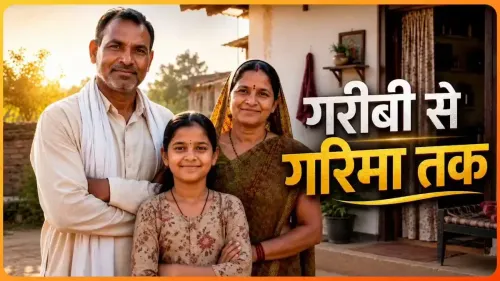
Union Agriculture Minister Shivraj Singh Chouhan on June 15, 2026, highlighted that Prime Minister Modi's government has implemented multiple welfare schemes to help India's poor live with dignity, citing programmes spanning income support, housing, health, and sanitation for rural households.
Key Takeaways
Union Agriculture Minister Shivraj Singh Chouhan posted on June 15, 2026 , stressing that several central schemes exist to help the poor live with dignity.
The post was made in Hindi and references welfare programmes under Prime Minister Narendra Modi's leadership.
PM-KISAN provides ₹6,000 per year in direct income support to eligible farmer families, launched in February 2019 .
Pradhan Mantri Awas Yojana-Gramin targets provision of pucca houses to the rural poor, active since 2015 .
Ayushman Bharat (2018) and Swachh Bharat Mission-Gramin (2014) round out the government's multi-sector welfare architecture for vulnerable households.
Budget allocations and mid-term reviews of PM-KISAN beneficiary lists will be key indicators of the government's continued commitment.
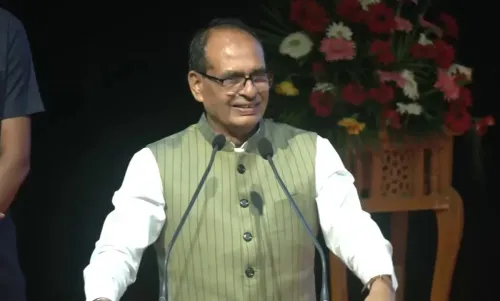
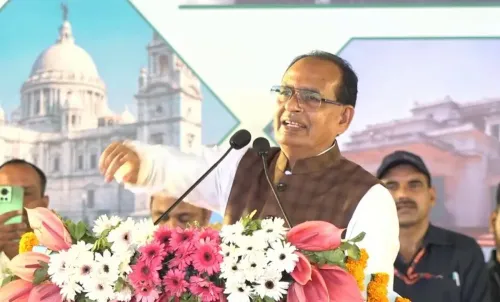
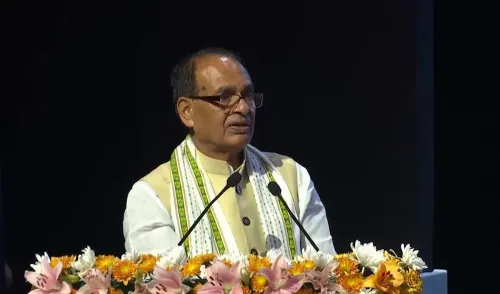
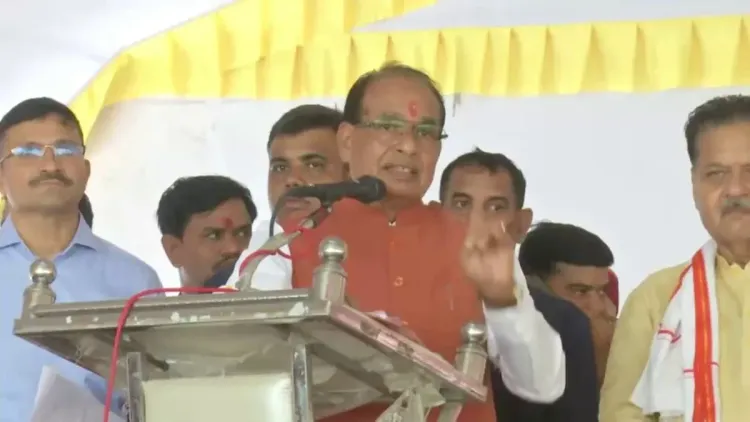
Union Agriculture Minister Shivraj Singh Chouhan on Monday, June 15, 2026, underscored the central government's commitment to ensuring that India's poor can live with dignity, pointing to a range of welfare schemes implemented under the leadership of Prime Minister Narendra Modi.
In a post on X, Chouhan wrote in Hindi: 'Garib izzat se apni zindagi guzaar sake, iske liye Pradhan Mantri ji ke netritva mein kai yojanaen hain' — ('For the poor to live their lives with dignity, there are many schemes under the leadership of the Prime Minister.')
Context
The statement reflects a recurring theme in the BJP government's communication strategy: framing flagship welfare programmes as instruments of social dignity rather than mere financial transfers. Chouhan, a senior party leader and former four-term Chief Minister of Madhya Pradesh, has consistently been one of the most vocal advocates of the central government's rural outreach agenda.
His current portfolio — covering agriculture, farmers' welfare, and rural development — places him at the intersection of the schemes most directly relevant to the rural poor.
Policy Backdrop
Since 2014, the central government has rolled out several direct benefit transfer programmes targeting economically vulnerable households. The Pradhan Mantri Kisan Samman Nidhi (PM-KISAN), launched in February 2019, provides ₹6,000 in annual income support to landholding farmer families through three equal instalments transferred directly to bank accounts.
On the housing front, the Pradhan Mantri Awas Yojana-Gramin (PMAY-G) has aimed to provide pucca houses to the rural poor, with targets expanded in successive phases since 2015. Health coverage for economically vulnerable households has been extended through Ayushman Bharat Pradhan Mantri Jan Arogya Yojana, launched in 2018, while the Swachh Bharat Mission-Gramin, initiated in 2014, focused on sanitation and dignity through rural toilet construction.
Together, these programmes represent a broad architecture of direct state support aimed at lifting living standards in rural India — a model the BJP has consistently cited as evidence of governance focused on the last mile.
Stakeholders and Impact
The primary beneficiaries of the schemes Chouhan alluded to are small and marginal farmers and the broader rural poor, who constitute a significant share of India's population. Direct benefit transfers under PM-KISAN have reached tens of millions of farmer families, while PMAY-G targets households that lack access to safe, permanent shelter.
For rural communities, the convergence of income support, housing, health insurance, and sanitation under a single welfare umbrella represents a shift from piecemeal assistance to a more integrated approach to poverty alleviation.
What's Next
Attention will now turn to upcoming Union Budget deliberations and any mid-term reviews of beneficiary lists under PM-KISAN or revised targets under PMAY-G. Parliamentary debates on rural allocations will be closely watched to assess whether the government's stated commitment to dignity for the poor translates into sustained or enhanced fiscal support for these programmes.
Point of View
Framing entitlements as acts of dignified governance rather than routine state obligation. By invoking dignity — a value-laden word — the Agriculture Minister signals that the party sees its welfare record not just as policy but as a moral argument headed into budget season. The post also reinforces Chouhan's own positioning as a bridge between the party's rural constituency and the central government's flagship programmes. Analysts will note that such messaging typically precedes or accompanies budget-cycle announcements or scheme review milestones.
NationPress
14 Sept 2026
Frequently Asked Questions
What did Shivraj Singh Chouhan say about welfare schemes for the poor?
Shivraj Singh Chouhan posted on X on June 15, 2026, saying that under Prime Minister Modi's leadership, multiple schemes exist to help India's poor live their lives with dignity.
What are the main welfare schemes for the rural poor under the Modi government?
Key schemes include PM-KISAN (₹6,000 annual income support to farmer families), Pradhan Mantri Awas Yojana-Gramin (rural housing), Ayushman Bharat Jan Arogya Yojana (health coverage), and Swachh Bharat Mission-Gramin (sanitation).
What is PM-KISAN and who benefits from it?
PM-KISAN, or Pradhan Mantri Kisan Samman Nidhi, was launched in February 2019 and provides ₹6,000 per year in three instalments directly to the bank accounts of landholding farmer families across India.
Who is Shivraj Singh Chouhan and what is his current role?
Shivraj Singh Chouhan is a senior BJP leader and former four-term Chief Minister of Madhya Pradesh. He currently serves as Union Minister of Agriculture and Farmers Welfare and Rural Development in the Modi government.
What is Pradhan Mantri Awas Yojana-Gramin?
Pradhan Mantri Awas Yojana-Gramin is a central government scheme launched in 2015 to provide pucca (permanent) houses to the rural poor, with targets expanded in successive phases.