Nadda Highlights Crore-Scale Screenings via Ayushman Arogya Mandirs
Synopsis
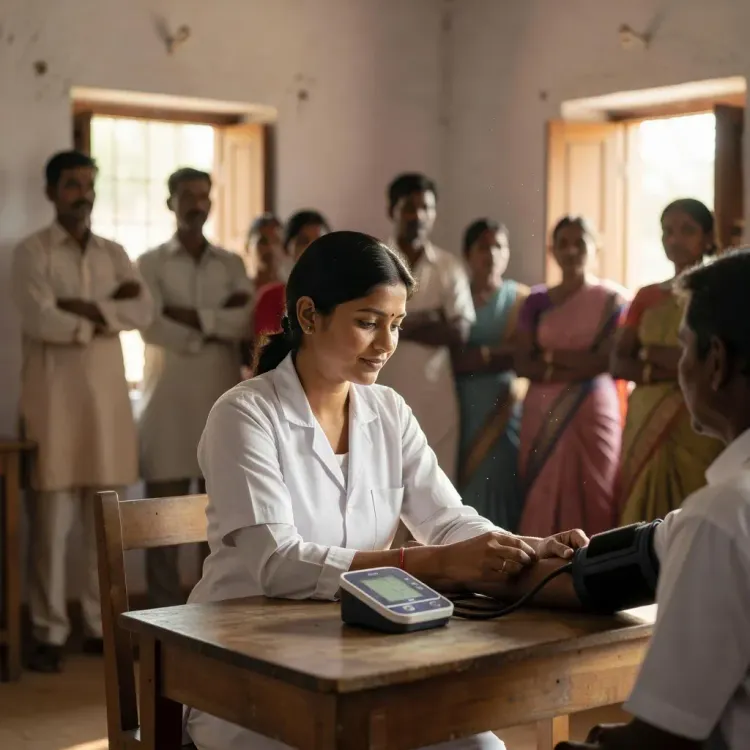
Union Health Minister J. P. Nadda has highlighted the role of Ayushman Arogya Mandirs in delivering crore-scale preventive screenings across India, calling the initiative a pivotal step toward strengthening primary healthcare and ensuring timely disease detection at the community level.
Key Takeaways
Ayushman Arogya Mandirs have facilitated screenings for crores of Indians, according to Union Health Minister J.
The facilities are upgraded sub-centres and primary health centres operating under the Ayushman Bharat programme launched in 2018 .
Their mandate covers preventive, promotive, and basic curative services — not just episodic treatment.
The network specifically targets early detection of non-communicable diseases such as hypertension, diabetes, and common cancers.
Nadda's post signals the government's continued prioritisation of population-level screening as a core public-health strategy.
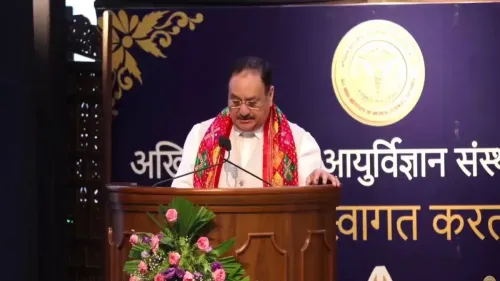
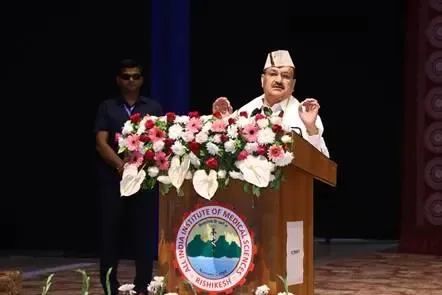
Preventive healthcare is no longer a privilege of city hospitals — Union Health Minister J. P. Nadda on Thursday, October 29, 2026, underscored how the government's Ayushman Arogya Mandirs have driven mass screenings for crores of Indians, pushing the country's primary health architecture toward early detection and timely treatment at the community level.
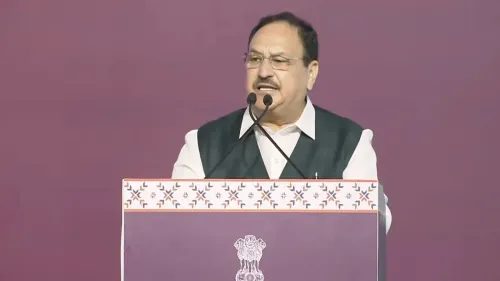
Posting in Hindi on X, Nadda stated: 'Through Ayushman Arogya Mandirs, the government has strengthened preventive healthcare and ensured screenings for crores of people. This initiative is a significant step toward strengthening primary health services and ensuring timely identification and treatment of diseases.'
From Sub-Centres to Screening Hubs: The Arogya Mandir Upgrade
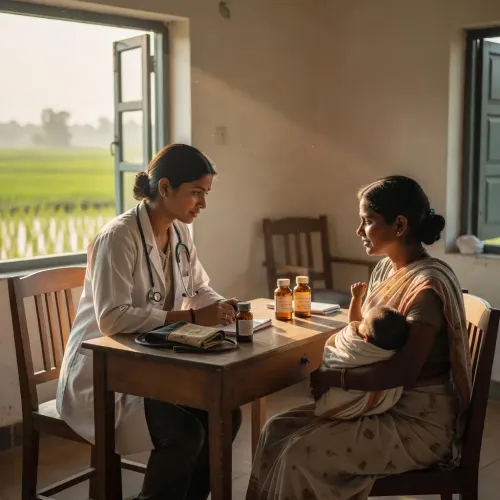
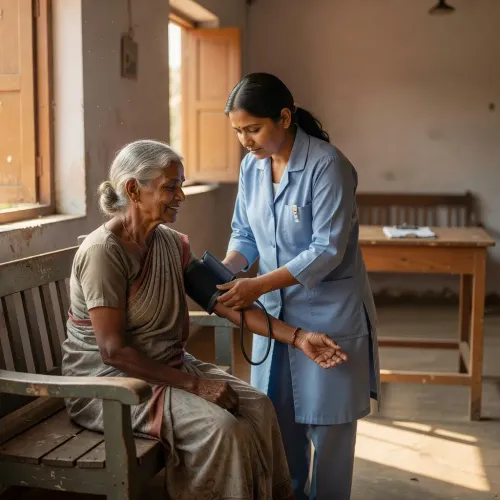
Ayushman Arogya Mandirs are the upgraded avatar of India's old sub-centres and primary health centres, rebuilt under the Ayushman Bharat programme that the government launched in 2018. The transformation was deliberate: shift these facilities from being reactive, episodic treatment posts into proactive community-level screening and wellness centres capable of catching non-communicable diseases — hypertension, diabetes, cancers — before they become crises.
The logic is straightforward and consequential. India's disease burden has tilted sharply toward NCDs, conditions that are largely invisible until they cascade into expensive, late-stage emergencies. A village-level facility that can screen, flag, and refer changes that equation fundamentally. That is the population-level bet Ayushman Arogya Mandirs represent.
Preventive Care as a National Strategy, Not Just a Scheme
Nadda's post reflects a broader policy pivot that has been building since Ayushman Bharat's launch — the recognition that insurance coverage for hospitalisation, however important, cannot substitute for catching disease early at the primary level. The Arogya Mandir network addresses precisely that gap, extending promotive and preventive services to rural and semi-urban populations who would otherwise never access a specialist until a condition becomes acute.
The emphasis on 'crores of screenings' signals scale. India's primary health infrastructure, long underfunded and understaffed, is being repositioned as the country's first-defence mechanism against its fast-growing NCD burden. Watch for updated national screening coverage data and any fresh expansion targets in the next health budget or National Health Policy review — those numbers will tell us how wide this net has actually been cast.
Point of View
Which has historically received less political spotlight than the scheme's insurance component. By foregrounding 'crores of screenings', the health ministry is building a narrative around upstream intervention — a messaging shift that matters as India's NCD burden intensifies and health budgets face scrutiny. The Arogya Mandir model also doubles as a political deliverable: tangible, community-visible infrastructure that can be pointed to in every constituency. Whether screening numbers translate into reduced late-stage disease incidence will be the harder, more consequential test.
NationPress
29 Oct 2026
Frequently Asked Questions
What are Ayushman Arogya Mandirs?
Ayushman Arogya Mandirs are upgraded primary health facilities under the Ayushman Bharat programme, designed to deliver preventive, promotive, and basic curative healthcare services at the community level across India.
What did JP Nadda say about Ayushman Arogya Mandirs?
On October 29, 2026, Union Health Minister J. P. Nadda stated that Ayushman Arogya Mandirs have ensured screenings for crores of people and represent a significant step toward timely identification and treatment of diseases.
When was Ayushman Bharat launched?
Ayushman Bharat was launched in 2018 as India's flagship national health programme, establishing Health and Wellness Centres — later rebranded as Ayushman Arogya Mandirs — for comprehensive primary healthcare and screening.
What diseases do Ayushman Arogya Mandirs screen for?
The facilities focus on screening for non-communicable diseases including hypertension, diabetes, and common cancers, as well as other prevalent conditions, enabling early detection and referral before diseases reach an advanced stage.
How do Ayushman Arogya Mandirs differ from regular primary health centres?
Unlike traditional primary health centres that largely provided episodic curative care, Ayushman Arogya Mandirs are repositioned as proactive wellness and screening hubs, expanding their role to include preventive and promotive health services for entire communities.