Nadda: 44 Crore Screened for Hypertension, Diabetes Since 2017
Synopsis
Union Health Minister J. P. Nadda has revealed that 44 crore Indians have been screened for hypertension and diabetes since 2017-18, with 7.6 crore and 5 crore cases identified. Cancer screening for oral, breast and cervical conditions has covered hundreds of millions more under the Ayushman Bharat and NPCDCS frameworks.
Key Takeaways
44 crore people screened for hypertension and diabetes since 2017-18 under the government's NCD programme.
7.6 crore individuals identified with hypertension and 5 crore with diabetes from the screening exercise.
Cancer screening covered 37.7 crore for oral cancer, 17.7 crore for breast cancer and 9.8 crore for cervical cancer.
The initiative runs across NPCDCS (launched 2010-11) and Ayushman Bharat Health and Wellness Centres (from 2018-19).
NCDs account for over 60 percent of all deaths in India, underscoring the strategic importance of early detection at primary level.
Government aims to link screened positives to Ayushman Bharat PM-JAY insurance cover, and to scale HWCs to 1.5 lakh centres nationally.
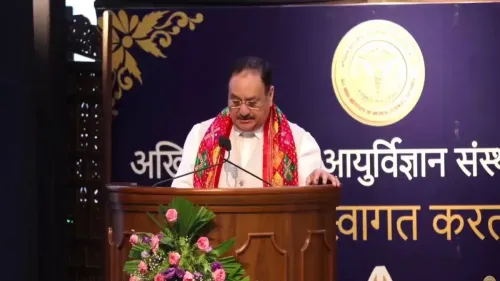
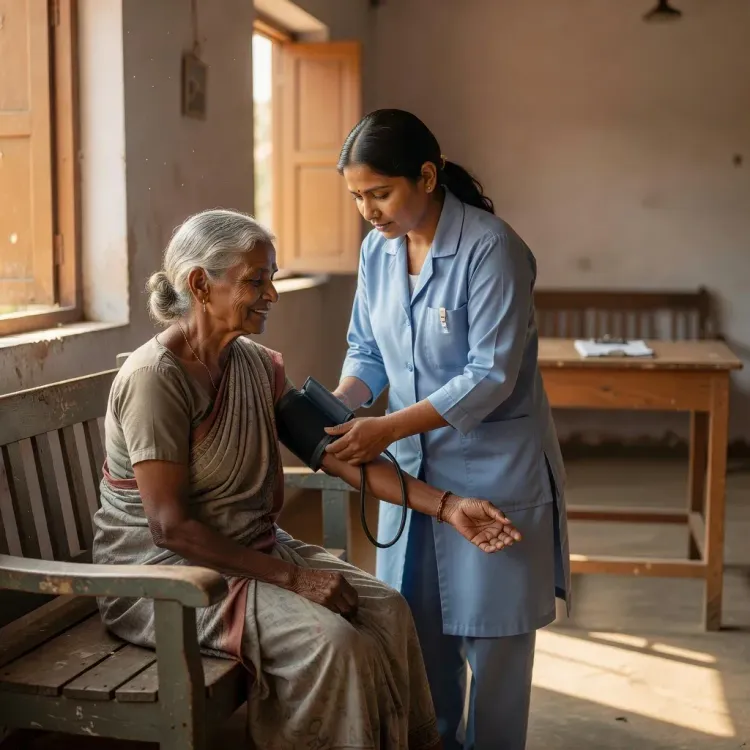
India's preventive health push has now touched nearly half a billion lives. Union Health Minister J. P. Nadda on Wednesday, 21 October 2026 shared sweeping figures that put the scale of the government's non-communicable disease screening programme into sharp relief — 44 crore people screened for hypertension and diabetes alone since 2017-18, with millions more checked for three forms of cancer.
Posting in Hindi, Nadda said: 'Since 2017-18 we launched screening for hypertension, diabetes and oral, breast and cervical cancer. So far, 44 crore people have been screened for hypertension and diabetes, of whom 7.6 crore and 5 crore respectively have been identified. In addition, 37.7 crore have been screened for oral cancer, 17.7 crore for breast cancer and 9.8 crore for cervical cancer. This initiative has helped ensure early detection of diseases and timely treatment.'
A Programme Built on Two Pillars: NPCDCS and Ayushman Bharat
The screening drive did not emerge overnight. The National Programme for Prevention and Control of Cancer, Diabetes, Cardiovascular Diseases and Stroke (NPCDCS), operationalised from 2010-11, laid the first architecture for opportunistic NCD screening at the community level. Then, in Budget 2018-19, the Ayushman Bharat announcement gave it a structural spine — upgrading sub-centres and primary health centres into Health and Wellness Centres (HWCs) with a mandate to conduct population-based screening for all five conditions Nadda cited.
Together, the two programmes represent India's most sustained institutional bet on catching disease before it becomes catastrophic. The logic is straightforward: hypertension and diabetes are largely silent until they cause a heart attack or kidney failure; oral, breast and cervical cancers are highly survivable if found early, and far less so if not.
Why the Numbers on Identified Cases Matter Most
Raw screening totals are impressive. But the more consequential figures are the ones buried inside them. Of 44 crore people screened for the two metabolic conditions, 7.6 crore were flagged as hypertensive and 5 crore as diabetic — together, that is more than the population of several large countries walking around with a diagnosis they may not have had before. For a country where NCDs now account for over 60 percent of all deaths, identifying these individuals at a primary health centre rather than an emergency ward is the difference between managed illness and preventable mortality.
The cancer screening numbers tell a parallel story. 37.7 crore screened for oral cancer, 17.7 crore for breast cancer, 9.8 crore for cervical cancer — all three conditions where India carries a disproportionate global burden, and all three where early-stage intervention dramatically changes outcomes.
The Bridge From Screening to Treatment
Diagnosis without follow-through is data, not healthcare. The government's stated ambition is to link those screened positive directly into the Ayushman Bharat PM-JAY insurance cover for treatment — closing the loop between detection at a wellness centre and hospitalisation cover for the uninsured poor. The further scale-up of HWCs toward the target of 1.5 lakh centres across the country is the infrastructure bet on which that linkage depends.
Every positive case identified today is a potential catastrophe averted tomorrow. That is the arithmetic this government is asking the country to accept — and nine years of programme data are now its strongest argument.
Point of View
However, is structural: India is institutionalising primary-level NCD screening at a scale few middle-income countries have attempted, and the bridge from detection to PM-JAY-funded treatment will be the real test of whether those 12-plus crore positive identifications translate into health system relief or remain a statistic.
NationPress
21 Oct 2026
Frequently Asked Questions
How many people have been screened for hypertension and diabetes in India?
According to Union Health Minister J. P. Nadda, 44 crore people have been screened for hypertension and diabetes since 2017-18 , of whom 7.6 crore were identified with hypertension and 5 crore with diabetes.
What is the Ayushman Bharat Health and Wellness Centre programme?
Ayushman Bharat Health and Wellness Centres (HWCs) are upgraded primary health infrastructure units announced in Budget 2018-19 to deliver comprehensive primary care, including population-based screening for hypertension, diabetes and three cancers — oral, breast and cervical.
How many people have been screened for cancer under India's NCD programme?
As cited by Nadda, 37.7 crore people have been screened for oral cancer, 17.7 crore for breast cancer and 9.8 crore for cervical cancer since the programme's launch in 2017-18 .
What is NPCDCS and when was it launched?
The National Programme for Prevention and Control of Cancer, Diabetes, Cardiovascular Diseases and Stroke (NPCDCS) was operationalised from 2010-11 to address India's rising NCD burden through community-level opportunistic screening.
Why is early screening for NCDs important in India?
Non-communicable diseases account for over 60 percent of all deaths in India. Conditions like hypertension, diabetes and early-stage cancers are often symptomless; identifying them at a primary health centre enables timely, lower-cost treatment and prevents catastrophic health outcomes.