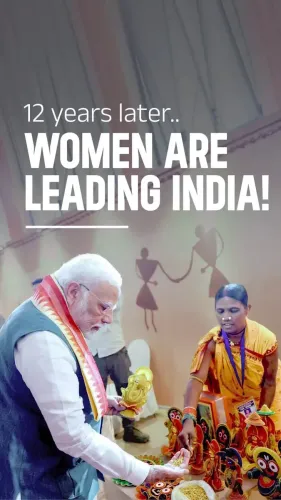
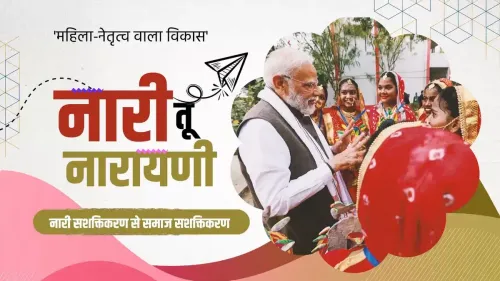
Sonowal Hails 12 Years of Nari Shakti Under PM Modi
Synopsis
Union Minister Sarbananda Sonowal marked 12 years of Nari Shakti on June 12, 2026, crediting PM Modi's vision for moving India from passive welfare to women-led development through Ujjwala, Swachh Bharat and the Lakhpati Didi initiative.
Key Takeaways
Sarbananda Sonowal , Union Ports and Shipping Minister, posted on June 12, 2026 to mark #12YearsOfNariShakti .
He credited PM Narendra Modi's vision for shifting India from 'passive welfare' to 'women-led development.' Pradhan Mantri Ujjwala Yojana (launched May 2016 ) provided LPG connections to below-poverty-line women households.
Swachh Bharat Mission (launched 2 October 2014 ) improved sanitation and safety for women through toilet construction.
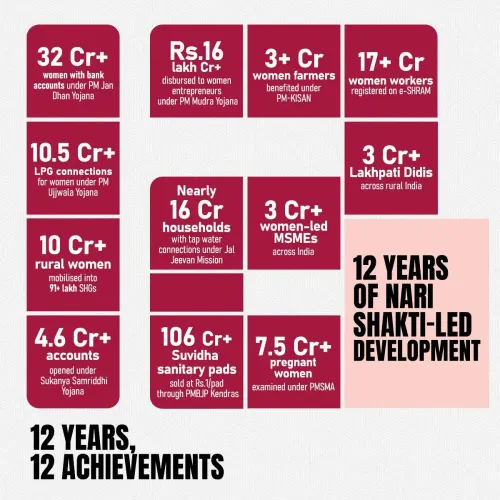
The Lakhpati Didi scheme under DAY-NRLM targets women in self-help groups to earn at least Rs 1 lakh annually.
The anniversary framing signals women-centric governance will remain central to the government's political messaging.
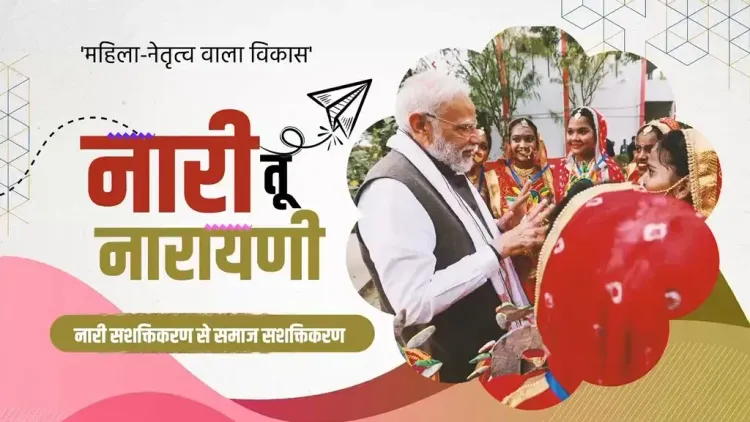
Union Ports and Shipping Minister Sarbananda Sonowal on Friday, June 12, 2026, marked the occasion of #12YearsOfNariShakti by crediting Prime Minister Narendra Modi's vision for transforming India's approach to women's development — from passive welfare delivery to active, women-led economic participation.
Context
In his post, Sonowal stated that India has 'shifted from passive welfare to true women-led development' under PM Modi's leadership. He cited flagship programmes — Pradhan Mantri Ujjwala Yojana and the Swachh Bharat Mission — as instruments that first secured dignity for women, before livelihood initiatives created 'millions of Lakhpati Didis.' The hashtag #12YearsOfNariShakti marks twelve years since the BJP-led National Democratic Alliance came to power at the Centre in May 2014.
The phrase 'Nari Shakti' (women's power) has become a recurring frame in the government's communication around women-centric policy. Sonowal's post reflects a broader effort by senior BJP leaders to consolidate the party's record on women's welfare ahead of ongoing political cycles.
Policy Backdrop
The Pradhan Mantri Ujjwala Yojana, launched in May 2016, was designed to provide LPG connections to women in below-poverty-line households, addressing indoor air pollution and reducing the burden of firewood collection disproportionately borne by women. The Swachh Bharat Mission, initiated on 2 October 2014, prioritised toilet construction as a safety and dignity measure, particularly for women and girls in rural areas.
The Lakhpati Didi initiative operates under the Deendayal Antyodaya Yojana – National Rural Livelihoods Mission (DAY-NRLM), targeting women in self-help groups (SHGs) to achieve annual household incomes of at least Rs 1 lakh. Targets under this component were expanded from 2021 onward, positioning SHG networks as engines of grassroots economic growth rather than mere social safety nets.
Since 2014, central government policy has consistently framed women's welfare programmes as foundational to broader economic growth indicators — a deliberate shift from a beneficiary model to one of active participation and income generation.
Stakeholders and Impact
Rural women and members of self-help groups across India are the primary beneficiaries of the policy architecture Sonowal referenced. The convergence of sanitation, clean energy, and livelihood programmes has been presented by the government as addressing multiple barriers — health, safety, and income — simultaneously.
Women's SHG networks, which now number in the tens of millions across states, have become significant political and economic constituencies. Their mobilisation is frequently cited by the government as evidence of the shift from welfare dependency to entrepreneurial self-sufficiency that the #12YearsOfNariShakti narrative seeks to highlight.
What's Next
Parliamentary and ministry-level updates on verified beneficiary counts under the Lakhpati Didi programme, as well as any revised targets in the upcoming Union Budget, will be closely watched as benchmarks for the government's claims. The anniversary framing also signals that women-centric governance will remain a central plank in the ruling party's political messaging through the current term.
Point of View
Electorally potent narrative. By linking foundational dignity schemes — Ujjwala and Swachh Bharat — to the income-generation ambitions of Lakhpati Didi, the messaging attempts to show a policy arc from basic needs to economic agency. The 'Nari Shakti' frame is not incidental; it repositions women as drivers of growth rather than recipients of state largesse, a distinction the government has been careful to maintain in public communication. Senior ministers amplifying this narrative on the anniversary date suggests a centrally coordinated communications push.
NationPress
22 Sept 2026
Frequently Asked Questions
What is the Lakhpati Didi scheme in India?
The Lakhpati Didi scheme is a component of the Deendayal Antyodaya Yojana – National Rural Livelihoods Mission (DAY-NRLM) that aims to enable women in self-help groups to earn at least Rs 1 lakh annually through skill development and livelihood support.
What is Pradhan Mantri Ujjwala Yojana?
Pradhan Mantri Ujjwala Yojana is a government scheme launched in May 2016 to provide free LPG connections to women in below-poverty-line households, reducing dependence on firewood and improving health and safety.
What does 12 Years of Nari Shakti mean?
'12 Years of Nari Shakti' refers to twelve years since the BJP-led NDA government came to power in May 2014, during which the government says it has launched multiple women-centric schemes focused on dignity, safety, and economic empowerment.
How did Swachh Bharat Mission help women in India?
The Swachh Bharat Mission, launched on 2 October 2014, prioritised the construction of household and community toilets, directly improving safety and dignity for women and girls who previously had to defecate in the open.
Who is Sarbananda Sonowal?
Sarbananda Sonowal is a senior BJP leader, former Chief Minister of Assam, and currently serves as Union Minister of Ports, Shipping and Waterways in the Government of India.