Shekhawat hails 12 years of Modi govt's Nari Shakti push
Synopsis
Union Culture Minister Gajendra Singh Shekhawat on 12 June 2026 credited PM Modi's 12-year tenure with transforming women's lives through Ujjwala Yojana, Jal Jeevan Mission, Jan Dhan Yojana, Swachh Bharat, and Self Help Groups, launching the #12YearsOfNariShakti campaign.
Key Takeaways
Gajendra Singh Shekhawat posted on 12 June 2026 marking 12 years of the Modi government's women-focused welfare record under #12YearsOfNariShakti .
Pradhan Mantri Ujjwala Yojana (launched May 2016 ) provided clean LPG connections to below-poverty-line households, primarily benefiting women.
Pradhan Mantri Jan Dhan Yojana (launched August 2014 ) brought millions of unbanked women into the formal financial system.
Jal Jeevan Mission (announced 2019 ) targeted universal rural tap-water coverage, easing the burden on women and girls.
Self Help Groups have been promoted as community-level platforms for female entrepreneurship and microfinance access.
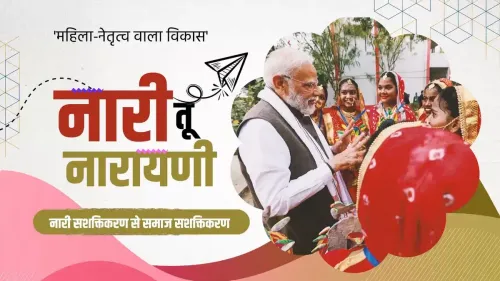
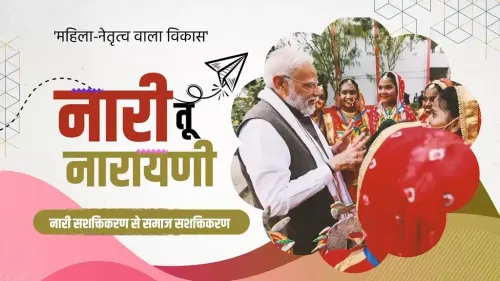
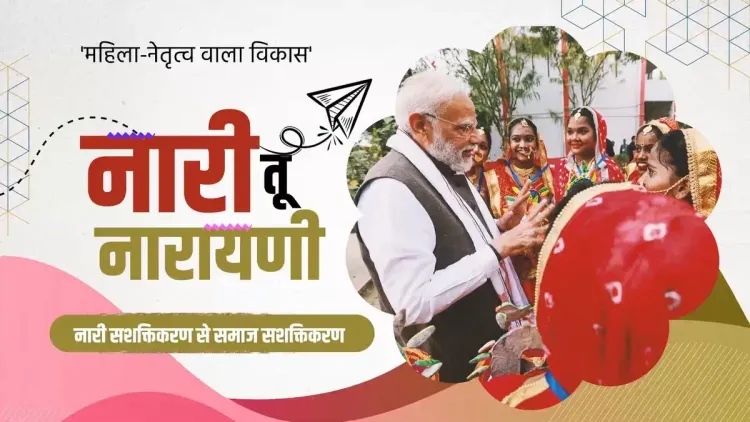
The post frames 'Nari-Netritva wala Vikas' — women-led development — as the defining philosophy of the Modi government 's social policy since 2014 .
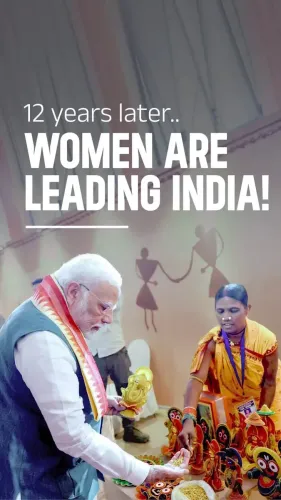
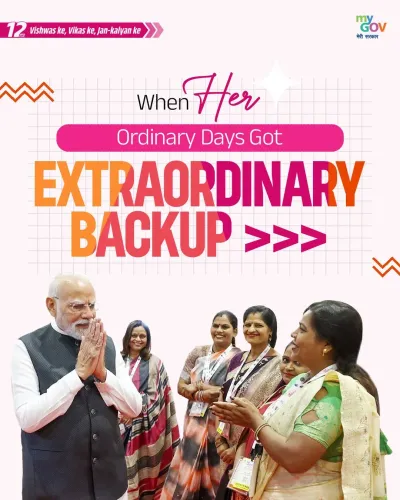
Union Culture and Tourism Minister Gajendra Singh Shekhawat on Friday, 12 June 2026, posted a tribute to women's empowerment under Prime Minister Narendra Modi's government, marking what he described as 12 years of transformative welfare initiatives for India's women under the hashtag #12YearsOfNariShakti.
Context
Writing in Hindi, Shekhawat described Modi as a 'samvedansheel Pradhan Mantri' (compassionate Prime Minister) and credited his leadership with giving India's 'Nari Shakti' (women power) a new identity, new confidence, and new opportunities over the past 12 years. The post coincides with the BJP government's broader campaign to highlight a decade-plus record on social welfare.
Shekhawat invoked the concept of 'Nari-Netritva wala Vikas' — 'women-led development' — a phrase that has appeared in successive Union Budget speeches and policy documents since 2015, framing maternal and feminine agency as central to India's growth story.
Policy Backdrop
The minister specifically named five flagship programmes as pillars of women's advancement. Pradhan Mantri Ujjwala Yojana, launched in May 2016, extended clean LPG cooking fuel connections to below-poverty-line households, with women as the primary beneficiaries. Swachh Bharat Abhiyan, initiated in October 2014, drove household toilet construction and behaviour change, directly improving the safety and dignity of women in rural India.
Pradhan Mantri Jan Dhan Yojana, rolled out in August 2014, brought millions of previously unbanked citizens — a large proportion of them women — into the formal financial system. Jal Jeevan Mission, announced in 2019 with a target of universal rural tap-water coverage, reduced the burden of water-fetching that disproportionately fell on women and girls. Self Help Groups (SHGs) have been promoted as community-level engines of female entrepreneurship and microfinance.
The framing of these programmes as instruments of women's economic inclusion has been a consistent thread in NITI Aayog reports and parliamentary communications since the Modi government came to power in 2014.
Stakeholders and Impact
Shekhawat's post highlights that India's daughters are today setting new benchmarks across sectors — from the armed forces and aviation to science, sports, and entrepreneurship. The assertion reflects a broader government narrative linking welfare scheme coverage to rising female labour-force participation and leadership visibility.
Rural women and women entrepreneurs are the primary stakeholders of the schemes cited. Self Help Groups, in particular, have served as grassroots platforms connecting crores of women to credit, training, and market linkages, according to government programme data.
What's Next
Shekhawat called on citizens to join the #12YearsOfNariShakti campaign and fulfil their responsibility in this 'inspiring journey of women's honour, empowerment, and self-reliant India.' Gender-disaggregated outcome data for these schemes is expected to feature in forthcoming Economic Survey assessments and parliamentary standing committee reviews, which will provide independent benchmarks against the government's stated goals. The campaign signals that women's empowerment will remain a central electoral and policy communication theme for the BJP in the period ahead.
Point of View
Arriving as the BJP consolidates its narrative around a decade-plus governance record ahead of state and national electoral cycles. By bundling five distinct flagship schemes under a single 'Nari Shakti' umbrella, the messaging attempts to convert programme reach into a unified story of women's dignity and agency. The 'Nari-Netritva wala Vikas' framing has been institutionalised in budget speeches and NITI Aayog documents, suggesting this is coordinated top-down communication rather than a solo initiative. Independent evaluations of gender-disaggregated outcomes for these schemes will be the real test of whether the political narrative aligns with ground-level impact.
NationPress
23 Sept 2026
Frequently Asked Questions
What is the #12YearsOfNariShakti campaign?
#12YearsOfNariShakti is a BJP-linked social media campaign marking 12 years of the Modi government's welfare and empowerment initiatives for women, highlighting schemes such as Ujjwala Yojana, Jal Jeevan Mission, Jan Dhan Yojana, Swachh Bharat Abhiyan, and Self Help Groups.
What is Pradhan Mantri Ujjwala Yojana and how does it help women?
Pradhan Mantri Ujjwala Yojana, launched in May 2016, provides free or subsidised LPG cooking-gas connections to below-poverty-line households, with women listed as the primary account holders, reducing their dependence on polluting solid fuels.
What is Jal Jeevan Mission?
Jal Jeevan Mission is a central government scheme announced in 2019 to provide piped tap-water connections to every rural household in India, with a particular benefit for women and girls who traditionally bear the burden of water collection.
How has Jan Dhan Yojana helped women in India?
Pradhan Mantri Jan Dhan Yojana, rolled out in August 2014, opened bank accounts for millions of previously unbanked citizens; women have been among the largest beneficiaries, gaining direct access to subsidies, savings, and credit.
What did Culture Minister Gajendra Singh Shekhawat say about women's empowerment?
On 12 June 2026, Shekhawat posted that under PM Modi's 12-year leadership, India's women have gained a new identity, new confidence, and new opportunities, and called on citizens to join the #12YearsOfNariShakti campaign celebrating women's honour and self-reliance.