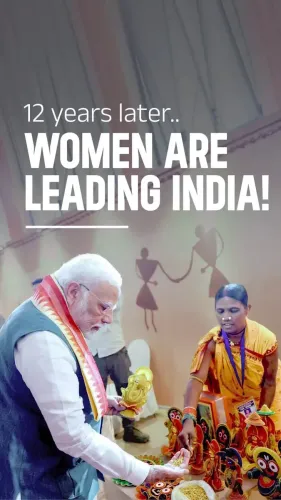
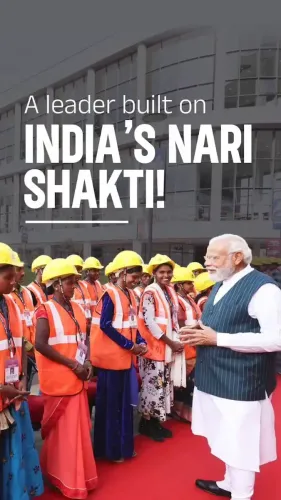
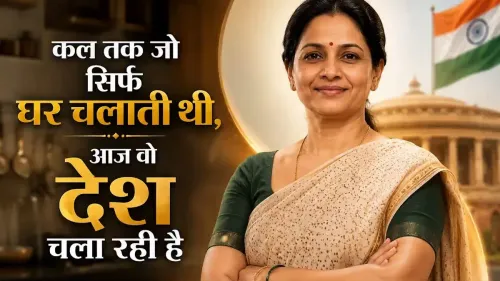
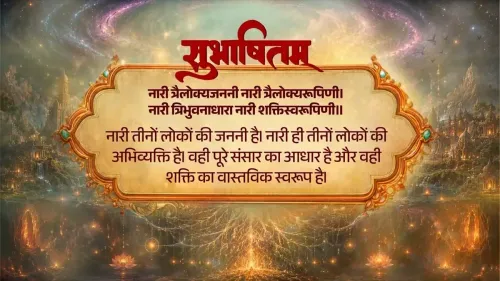
Vaishnaw Marks 12 Years of Nari Shakti, Women's Empowerment
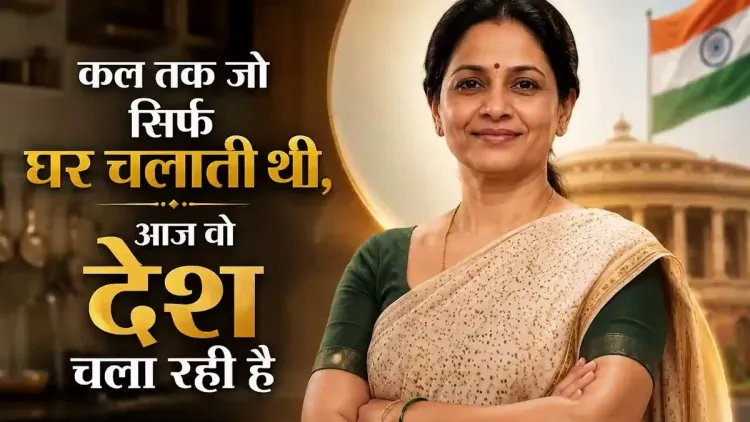
Synopsis
Union Minister Ashwini Vaishnaw marked twelve years of the government's Nari Shakti agenda on 12 June 2026, calling women the strong foundation of a developed India. The post anchors the milestone to flagship measures including Beti Bachao Beti Padhao and the 2023 women's reservation constitutional amendment.
Key Takeaways
Union Minister Ashwini Vaishnaw posted on X on 12 June 2026 under #12YearsOfNariShakti , marking twelve years of the government's women's empowerment agenda.
The post describes women as the 'strong foundation of a developed India' ( विकसित भारत की मजबूत नींव ), linking gender empowerment to the Viksit Bharat 2047 goal.
The Beti Bachao Beti Padhao scheme, launched in 2015 , was the government's first major flagship initiative targeting girls' education and child sex ratio.
The Nari Shakti Vandan Adhiniyam , passed in 2023 , reserves one-third of seats in the Lok Sabha and state assemblies for women — pending a delimitation exercise.
Implementation of the women's parliamentary reservation and new budget allocations for women in STEM and entrepreneurship remain key policy watchpoints.
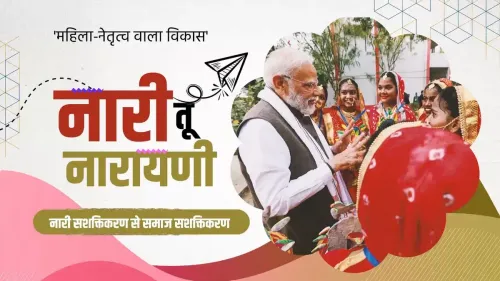
Union Minister Ashwini Vaishnaw on Friday, 12 June 2026, invoked the Nari Shakti theme to mark twelve years of the central government's women's empowerment agenda, posting on X that women are the strong foundation of a developed India — 'नारीशक्ति: विकसित भारत की मजबूत नींव' ('Nari Shakti: the strong foundation of a developed India') — under the hashtag #12YearsOfNariShakti.
Context
The post marks a symbolic twelve-year milestone since Prime Minister Narendra Modi's government took office in May 2014, a period the ruling party frames as defined by a sustained push for women's inclusion across education, political representation, and economic participation. The #12YearsOfNariShakti hashtag situates this milestone within the broader 'Viksit Bharat' (Developed India) vision targeting 2047.
Vaishnaw, a senior BJP leader holding the Railways, Information and Broadcasting, and Electronics and IT portfolios, has been among the ministers amplifying the government's social-policy messaging on digital platforms.
Policy Backdrop
The government's women's empowerment record rests on several legislative and programmatic pillars. The Beti Bachao Beti Padhao scheme, launched in 2015, was designed to arrest a declining child sex ratio and expand girls' access to education — one of the earliest flagship initiatives under the current dispensation.
A more recent and far-reaching step was the Nari Shakti Vandan Adhiniyam, a constitutional amendment passed in 2023 that reserves one-third of seats for women in the Lok Sabha and state legislative assemblies. The law is widely regarded as the most significant legislative intervention for women's political representation in independent India's history.
Together, these measures form the policy spine behind the 'Nari Shakti' branding that the government has consistently deployed since 2014.
Stakeholders and Impact
The primary beneficiaries of this policy arc are Indian women across demographics — from rural girls whose school enrolment has been a target of Beti Bachao Beti Padhao, to women in the formal workforce and aspiring political leaders who stand to gain from the reservation law once it is operationalised.
Civil society groups and opposition parties have, at various points, raised questions about the pace of implementation — particularly regarding when the Nari Shakti Vandan Adhiniyam will take effect in practice, as it is linked to a delimitation exercise yet to be completed. The government, however, has maintained that the legislative intent is unambiguous.
What's Next
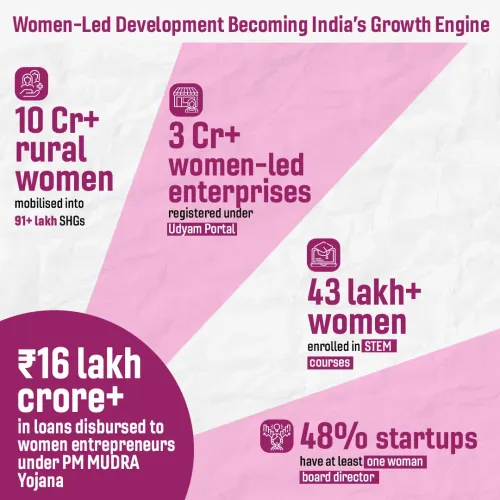
Attention will remain on the implementation timeline for the women's parliamentary reservation, which depends on the conclusion of the next delimitation process. Separately, budget allocations for women in STEM, entrepreneurship, and skilling programmes will be watched as indicators of how the 'Nari Shakti' agenda translates into spending priorities in the run-up to 2047.
As the ruling party marks twelve years in office, the Nari Shakti narrative is expected to feature prominently in political communication through the remainder of the year, reinforcing the link between women's empowerment and the Viksit Bharat development target.
Point of View
Using a symbolic anniversary to consolidate the BJP's claim over the women's empowerment narrative ahead of election cycles. By tethering Nari Shakti to the Viksit Bharat 2047 framework, the party projects gender inclusion not as a welfare concession but as a structural pillar of national development — a framing that broadens its electoral appeal. The unresolved implementation of the Nari Shakti Vandan Adhiniyam, however, remains a vulnerability that critics are likely to highlight. How the government converts legislative intent into visible outcomes — particularly on political reservation and economic inclusion — will determine whether the 'strong foundation' rhetoric holds up to scrutiny.
NationPress
26 Oct 2026
Frequently Asked Questions
What is #12YearsOfNariShakti?
#12YearsOfNariShakti is a hashtag used by BJP leaders and ministers to mark twelve years of the Modi government's women's empowerment programmes since coming to power in May 2014, highlighting schemes like Beti Bachao Beti Padhao and the Nari Shakti Vandan Adhiniyam.
What is the Nari Shakti Vandan Adhiniyam?
The Nari Shakti Vandan Adhiniyam is a constitutional amendment passed in 2023 that reserves one-third of seats in the Lok Sabha and state legislative assemblies for women. Its implementation is linked to a delimitation exercise that has not yet been completed.
What is Beti Bachao Beti Padhao?
Beti Bachao Beti Padhao is a flagship government scheme launched in 2015 aimed at improving the child sex ratio and promoting education and participation of girls across India.
What does Viksit Bharat mean and how does Nari Shakti relate to it?
Viksit Bharat means 'Developed India' and refers to the government's target of making India a developed nation by 2047. The Nari Shakti agenda positions women's empowerment as a core pillar of achieving this goal.
When will women's reservation in Parliament come into effect?
The Nari Shakti Vandan Adhiniyam, passed in 2023, requires a delimitation of constituencies before the reservation can be operationalised. The exact timeline depends on when that delimitation process is completed.