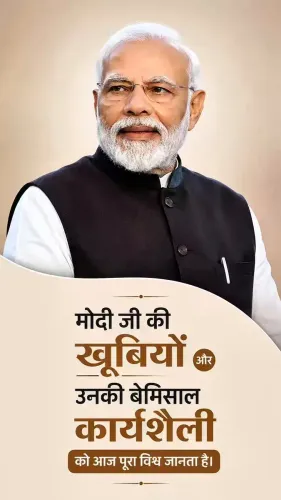
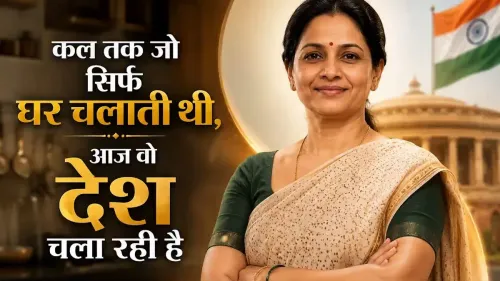
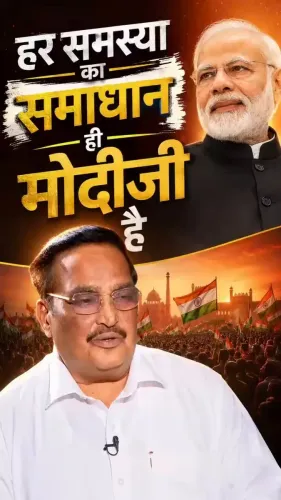
Jal Shakti Minister Paatil marks 12 years of Modi welfare schemes
Synopsis
Union Jal Shakti Minister C. R. Paatil marked the #12YearsOfSeva milestone on 13 June 2026, crediting PM Modi's welfare schemes — spanning women, farmers, youth and the elderly — with empowering crores of Indians over twelve years of BJP governance.
Key Takeaways
Paatil , Union Jal Shakti Minister and senior BJP leader, posted in Hindi on 13 June 2026 under the hashtag #12YearsOfSeva .
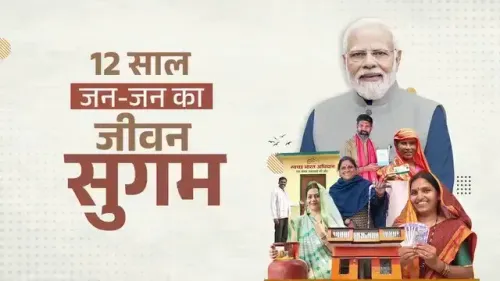
He credited PM Narendra Modi with creating welfare schemes that have made the lives of crores of women, farmers, youth and elderly 'easier and empowered'.
The post references a broader BJP social-media campaign marking twelve years since Modi first took office in May 2014 .
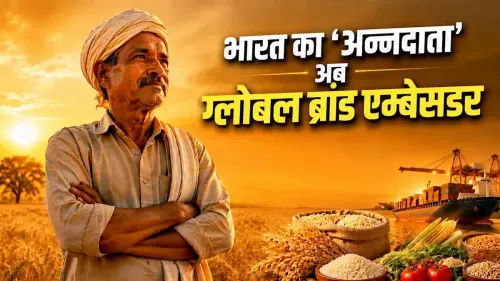
Key flagship schemes in this welfare architecture include Ujjwala Yojana (2016) for women and PM-KISAN (2019) offering Rs 6,000 per year to farmers.
The messaging targets four politically significant voter groups: women , farmers , youth , and the elderly .
Upcoming Union Budget discussions are expected to be a key moment for the government to substantiate these welfare claims with new allocations.
Union Jal Shakti Minister C. R. Paatil on Saturday, 13 June 2026, took to X to mark the #12YearsOfSeva milestone, crediting Prime Minister Narendra Modi with building welfare programmes that have, in his words, made the lives of crores of Indians easier and more empowered.
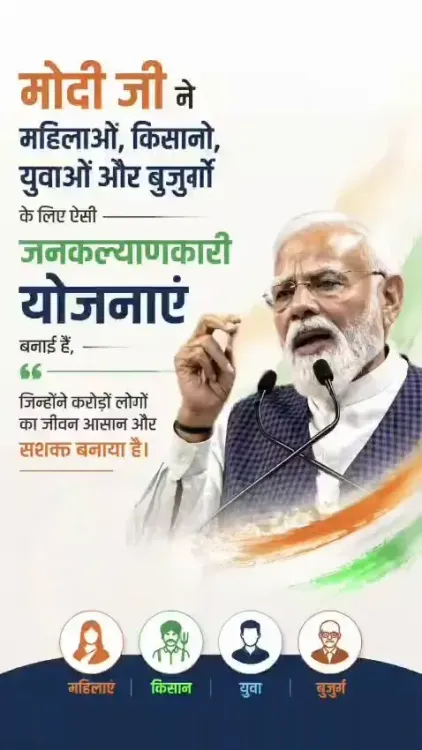
Paatil wrote in Hindi: 'मोदी जी ने महिलाओं, किसानों, युवाओं और बुजुर्गों के लिए ऐसी जनकल्याणकारी योजनाएं बनाई हैं, जिन्होंने करोड़ों लोगों का जीवन आसान और सशक्त बनाया है।' ('Modi ji has built such public-welfare schemes for women, farmers, youth and the elderly that have made the lives of crores of people easier and empowered.')
Context
The post is part of a wave of messaging by senior BJP leaders under the hashtag #12YearsOfSeva, marking twelve years since Narendra Modi first assumed office as Prime Minister in May 2014. C. R. Paatil, who has served as Union Minister of Jal Shakti and was previously the BJP Gujarat state president, is among the party's most active voices on social media for amplifying government welfare narratives.
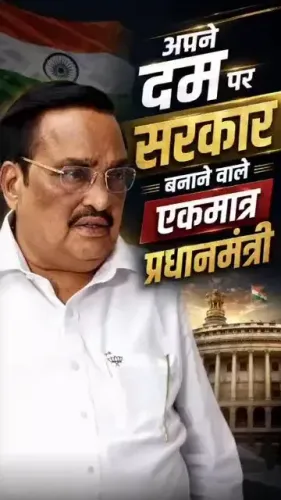
The post accompanied a video — the contents of which were not independently verified — and was published at 10:58 AM IST on 13 June 2026.
Policy Backdrop
The welfare architecture the post alludes to spans multiple flagship programmes introduced since 2014. For women, the Ujjwala Yojana launched in 2016 extended subsidised LPG connections to households below the poverty line. For farmers, the PM-KISAN scheme, introduced in 2019, provides direct income support of Rs 6,000 per year to eligible agricultural families.
Youth-focused initiatives under the Skill India and Startup India umbrellas, along with pension and health coverage schemes targeting the elderly, form the broader grid of programmes that senior ministers routinely cite when framing the government's social-sector record.
Stakeholders and Impact
The four groups named in Paatil's post — women, farmers, youth, and the elderly — represent the primary beneficiary categories across the central government's direct-benefit-transfer and in-kind welfare programmes. Together, they account for a substantial share of India's electorate, making them central to the BJP's political communication strategy.
Civil society organisations and opposition parties have periodically contested the reach and on-ground impact of several of these schemes, calling for independent audits of beneficiary data. The government, however, maintains that digital delivery through Aadhaar-linked accounts has improved targeting and reduced leakage.
What's Next
The #12YearsOfSeva campaign is expected to sustain momentum across social media platforms as the ruling party consolidates its messaging around the 2014–2026 governance record. The next Union Budget presentation and parliamentary discussions on scheme allocations will be closely watched for announcements on coverage expansions — particularly for PM-KISAN transfer amounts and Ujjwala beneficiary additions — that could give fresh substance to such claims.
Point of View
Deploying a senior cabinet minister's credibility to reinforce a party-wide hashtag campaign. By naming four distinct beneficiary groups — women, farmers, youth and the elderly — the messaging is calibrated to speak to the broadest possible cross-section of the electorate simultaneously. The reference to schemes like Ujjwala and PM-KISAN grounds the rhetoric in tangible policy, even as independent assessments of on-ground impact remain contested. This pattern suggests the party intends to anchor its 2026 political communication firmly in the 'governance dividend' frame rather than ideological messaging.
NationPress
13 Sept 2026
Frequently Asked Questions
What is the #12YearsOfSeva hashtag about?
#12YearsOfSeva marks twelve years since Narendra Modi first became Prime Minister in May 2014. BJP leaders and ministers are using the hashtag on social media to highlight the government's welfare and governance record over this period.
What did C. R. Paatil say about Modi's welfare schemes?
C. R. Paatil wrote in Hindi that Modi has built public-welfare schemes for women, farmers, youth and the elderly that have made the lives of crores of people easier and more empowered.
Which welfare schemes are associated with Modi's government for women and farmers?
Key schemes include the Ujjwala Yojana, launched in 2016 to provide subsidised LPG connections to women in poor households, and PM-KISAN, introduced in 2019 to give farmers direct income support of Rs 6,000 per year.
Who is C. R. Paatil?
C. R. Paatil is the Union Minister of Jal Shakti in the Modi government. He is a senior BJP leader and served as the BJP Gujarat state president before his current cabinet role.
What comes next after the #12YearsOfSeva campaign messaging?
The next Union Budget presentation and parliamentary debates on scheme allocations are the key events to watch, as they will indicate whether the government plans to expand coverage or increase transfer amounts under flagship welfare programmes.