Jal Shakti Minister Paatil Reviews 12 Years of Modi Govt Development
Synopsis
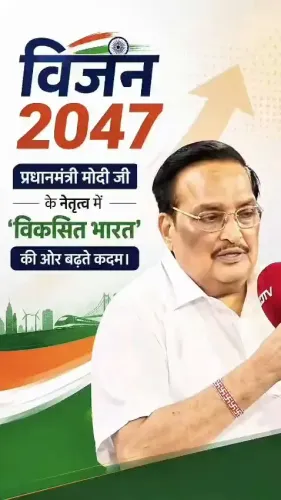
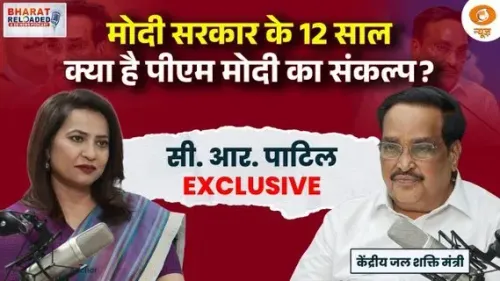
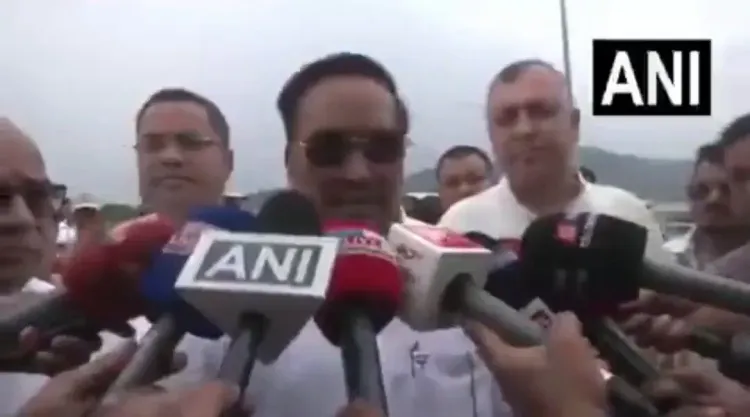
Union Jal Shakti Minister C. R. Paatil shared a clip from his media interview on June 12, 2026, reflecting on 12 years of development work, welfare initiatives, and the Viksit Bharat vision under PM Modi's leadership.
Key Takeaways
Paatil , Union Minister of Jal Shakti and senior BJP leader, posted a video clip on June 12, 2026 from a media interview discussing governance milestones.
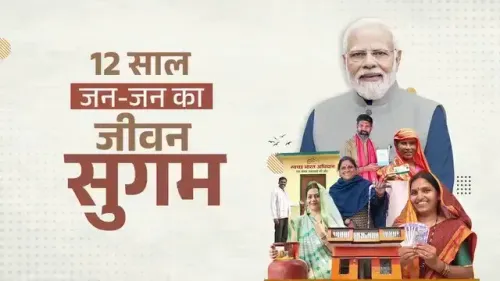
The minister highlighted 12 years of development under Prime Minister Narendra Modi , anchoring the timeline to 2014 .
Key schemes referenced include the Jal Jeevan Mission (2019), Swachh Bharat Mission (2014), Pradhan Mantri Awas Yojana (2015), and Make in India (2014).
The messaging is aligned with the government's Viksit Bharat 2047 vision of a fully developed India by the centenary of independence.
Next funding phases for Jal Jeevan Mission and housing schemes in the upcoming Union Budget will be a key indicator of policy continuity.
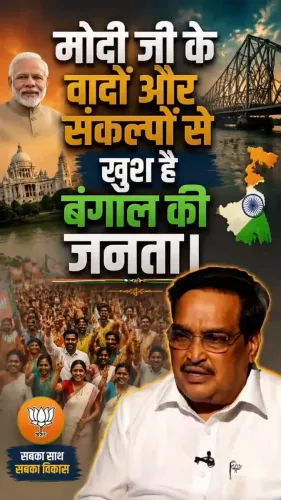
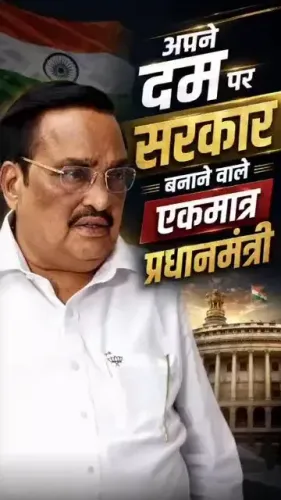
Union Jal Shakti Minister C. R. Paatil shared a glimpse of his recent conversation with a national news agency on Friday, June 12, 2026, in which he reflected on what he described as historic development work, public welfare initiatives, and the Viksit Bharat vision pursued under Prime Minister Narendra Modi over the past 12 years.
In the post, Paatil wrote: 'ANI ke saath samvad ke dauran Pradhan Mantri Shri Narendra Modi ji ke netritva mein beete 12 varshon mein desh mein hue aitihasik vikas karyon, jankalyankari pahalon aur Viksit Bharat ke sankalp par vichar saajhe kiye us samay ki ek jhalak.' — translated: 'A glimpse of the conversation during which I shared my thoughts on the historic development works, public welfare initiatives, and the resolve for a Viksit Bharat carried out in the country over the past 12 years under the leadership of Prime Minister Shri Narendra Modi ji.'
Context
C. R. Paatil is a senior BJP leader who previously served as Gujarat BJP state president before being elevated to the Union Cabinet as Minister of Jal Shakti. His ministry oversees flagship water infrastructure programmes, making his commentary on cumulative governance gains particularly relevant to rural and semi-urban constituencies. The post shares a video clip from the interview, framing it as a personal reflection on a decade-plus of central government policy.
The reference to 12 years anchors the messaging to 2014, the year the BJP-led National Democratic Alliance came to power under Prime Minister Modi. Ministers across portfolios have periodically used media appearances to catalogue welfare and infrastructure milestones from that baseline year onward.
Policy Backdrop
Several landmark programmes form the backbone of the development narrative Paatil alluded to. The Swachh Bharat Mission, launched in 2014, aimed at nationwide sanitation coverage, while the Jal Jeevan Mission, announced in 2019, set out to provide tap water connections to every rural household in India — a scheme at the core of Paatil's own ministry.
Other pillars include the Pradhan Mantri Awas Yojana, initiated in 2015 to extend affordable housing to urban and rural poor, and the Make in India programme, started in 2014 to accelerate manufacturing and infrastructure growth. Together, these schemes are consistently cited by government ministers as evidence of progress toward the Viksit Bharat 2047 goal — the official vision of transforming India into a fully developed nation by the centenary of its independence.
Stakeholders and Impact
The primary beneficiaries of the programmes referenced in Paatil's remarks are Indian citizens, particularly rural households that have been the target demographic for water, sanitation, and housing schemes. For Paatil's own portfolio, the Jal Jeevan Mission has been the most direct instrument, with the government claiming significant expansion of piped water access across villages since 2019.
The broader political audience for such messaging includes both the general public and state-level party workers, as coordinated ministerial communication tends to reinforce the central government's performance narrative ahead of parliamentary sessions and state assembly elections. The pattern of ministers using media interviews to summarise cumulative gains has been a consistent feature of BJP communications strategy since 2014.
What's Next
Observers will watch for the next funding revisions and phase expansions of the Jal Jeevan Mission and housing schemes in the upcoming Union Budget. Parliamentary discussions on development metrics are also anticipated during the monsoon session, where opposition parties are likely to scrutinise the government's progress claims. Paatil's public commentary ahead of these milestones signals that the Viksit Bharat narrative will remain a central plank of the ruling party's communication through the legislative calendar.
Point of View
In which cabinet members use media appearances to consolidate the '2014 baseline' narrative ahead of budget cycles and legislative sessions. By invoking all four flagship programmes in a single interview, the minister reinforces a cumulative performance arc that the party has been building toward the Viksit Bharat 2047 deadline. As Jal Shakti Minister, Paatil's credibility on rural water access lends the broader development claim a degree of portfolio-specific authority. The timing — mid-June, ahead of the monsoon session — suggests deliberate message-setting before opposition scrutiny intensifies in Parliament.
NationPress
27 Oct 2026
Frequently Asked Questions
What did C. R. Paatil say in his interview about Modi government's 12 years?
Paatil shared a clip from a media interview in which he reflected on historic development works, public welfare initiatives, and the Viksit Bharat vision pursued under PM Modi over the past 12 years since 2014.
What is the Viksit Bharat vision that Paatil mentioned?
Viksit Bharat is the Indian government's official vision to transform India into a fully developed nation by 2047, the centenary of independence, and is a recurring theme in BJP ministerial communications.
What schemes are associated with the BJP government's 12-year development record?
Key schemes include the Swachh Bharat Mission (2014), Make in India (2014), Pradhan Mantri Awas Yojana (2015), and Jal Jeevan Mission (2019), all of which fall under the broader Viksit Bharat narrative.
Who is C. R. Paatil and what ministry does he head?
C. R. Paatil is a senior BJP leader and former Gujarat BJP state president who currently serves as Union Minister of Jal Shakti, the ministry responsible for water resources and the Jal Jeevan Mission.
What is the Jal Jeevan Mission and why is it significant?
The Jal Jeevan Mission, announced in 2019, aims to provide functional tap water connections to every rural household in India and is the flagship programme of Paatil's Jal Shakti Ministry.