Pralhad Joshi Hails Women Officers' Rise in Indian Defence
Synopsis
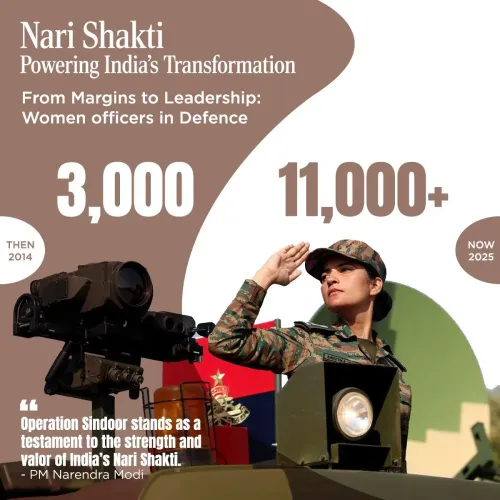
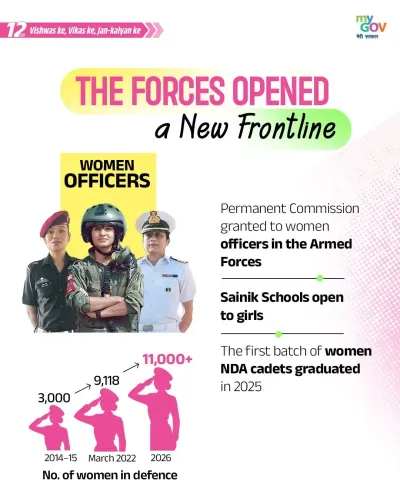
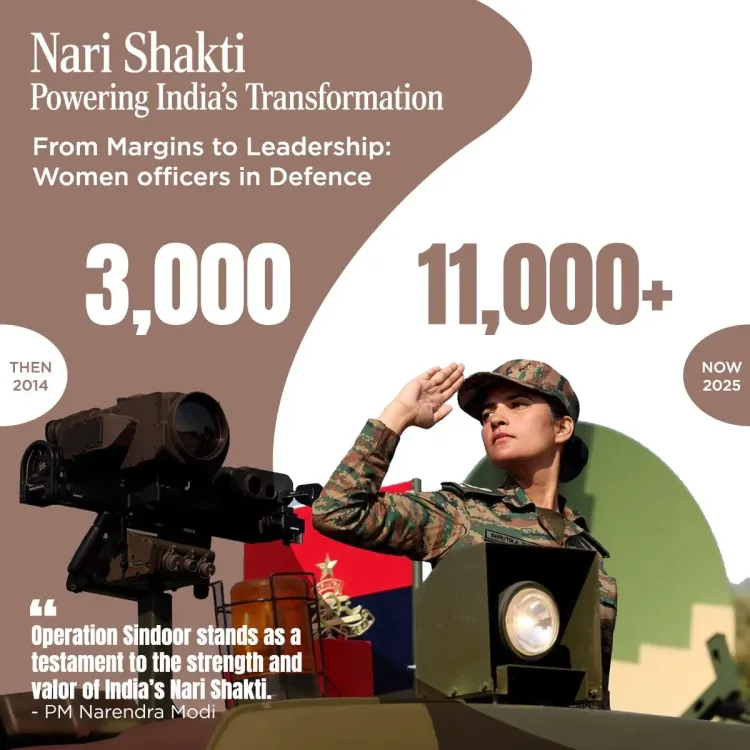
Union Minister Pralhad Joshi marked 12 years of the Nari Shakti initiative on 12 June 2026, highlighting the significant rise of women officers in India's defence services and their expanded roles in leadership, operations, and strategy — a shift anchored in policy changes since 2014.
Key Takeaways
Union Consumer Affairs Minister Pralhad Joshi posted on 12 June 2026 in Kannada, celebrating women officers' growing presence in India's armed forces under #12YearsOfNariShakti .
India's Permanent Commission for Women Officers , notified in 2020 following Supreme Court directions, granted women eligibility for permanent service and command roles across all three services.
In 2016 , the government opened additional branches including fighter streams to women officers for the first time.
Women cadets are now enrolled at the NDA, OTA , and other service academies, with intake rising steadily since 2014 .
Joshi's post in Kannada signals targeted outreach to Karnataka audiences as part of the BJP's broader Nari Shakti communications campaign.
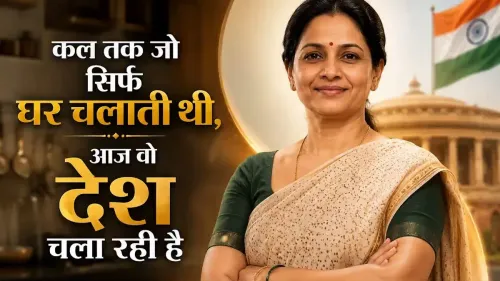
Union Consumer Affairs Minister Pralhad Joshi on Friday, 12 June 2026, took to X to highlight the growing presence of women officers in India's armed forces, marking the occasion with the hashtag #12YearsOfNariShakti. The post, written in Kannada, underscored that India's women are no longer confined to traditional roles and are now shouldering leadership, operational, and strategic responsibilities within the defence services.
Context
Joshi's post, translated from Kannada, reads: 'Bharatada Nari Shaktiya innu munde sampradayika patragalige maatra seemitavaagilla' — 'India's Nari Shakti is no longer limited to traditional roles alone.' He noted that the number of women officers in the defence services has increased considerably, and that women are now successfully handling key responsibilities in leadership, operations, and strategy. The post coincides with what the ruling Bharatiya Janata Party (BJP) is marking as twelve years of the Nari Shakti initiative, framing it as a cross-ministry agenda spanning defence, energy, and public distribution.
Policy Backdrop
The expansion of women's roles in the Indian military has followed a clear legislative and judicial arc. In 2016, the government opened additional branches — including fighter streams — to women officers for the first time. A landmark shift came in 2020, when the government notified the Permanent Commission for Women Officers across arms and services, following directions from the Supreme Court of India. This granted women officers the right to permanent service and eligibility for command roles that had previously been closed to them.
Since 2014, successive policy changes have steadily expanded women's entry into combat and staff positions. Women cadets are now enrolled at the National Defence Academy (NDA), the Officers Training Academy (OTA), and various service academies, with intake numbers rising year on year under the broader Nari Shakti framework.
Stakeholders and Impact
The primary beneficiaries of these policy shifts are women defence aspirants and serving women officers across the Indian Army, Navy, and Air Force. Their expanded access to permanent commissions and command roles represents a structural change in one of India's largest public institutions. For women from states like Karnataka — Joshi's home state — and across the country, the opening of defence careers at senior levels has broadened professional pathways significantly.
The Nari Shakti framing also carries political weight for the BJP, which has consistently positioned women's empowerment in uniform as a marker of governance achievement. Joshi's post in Kannada signals outreach to a regional audience in the run-up to continued political activity in Karnataka.
What's Next
Observers will watch for the next round of annual defence recruitment statistics, which would provide verified numbers on women officer induction across the three services. Any cabinet note or parliamentary statement on further openings in combat arms — the remaining frontier — would mark the next significant policy milestone. The #12YearsOfNariShakti campaign is likely to see coordinated posts from other BJP ministers and leaders through the coming days, reinforcing the party's messaging on women's empowerment ahead of electoral cycles.
Point of View
Energy, and social welfare under a single electoral narrative. By posting in Kannada, Joshi is deliberately speaking to a regional constituency where the BJP is in opposition and keen to demonstrate national-level governance credentials. The choice of defence — a domain with bipartisan prestige — as the vehicle for this message is politically astute, as it sidesteps controversy while projecting strength. The post arrives as the party prepares its record for scrutiny ahead of upcoming electoral cycles, making symbolic milestones like this twelve-year marker strategically significant.
NationPress
26 Oct 2026
Frequently Asked Questions
What is the Nari Shakti initiative in India's defence sector?
The Nari Shakti initiative refers to a series of policy changes since 2014 that have progressively expanded women's roles in the Indian armed forces, including the 2016 opening of fighter streams and the 2020 notification of Permanent Commission for women officers across all services.
What is the Permanent Commission for Women Officers in India?
The Permanent Commission for Women Officers, notified in 2020 following a Supreme Court ruling, allows women officers to serve permanently in the Indian Army, Navy, and Air Force and makes them eligible for command positions previously restricted to men.
Can women join the NDA in India?
Yes. Women cadets are now admitted to the National Defence Academy (NDA) following a Supreme Court order, marking a historic expansion of women's access to the military's premier training institution.
Why did Pralhad Joshi post about women in defence?
Joshi posted on 12 June 2026 to mark twelve years of the BJP government's Nari Shakti agenda, highlighting the increased number of women officers in defence services as a governance achievement.
What roles do women officers hold in the Indian armed forces today?
Women officers in India now hold positions in leadership, operations, and strategic planning across the Army, Navy, and Air Force, with access to permanent commissions and command roles — a significant expansion from the limited, short-service roles available before 2014.