Rijiju: Women Officers in Armed Forces Up From 3,000 to 11,000 Since 2014
Synopsis
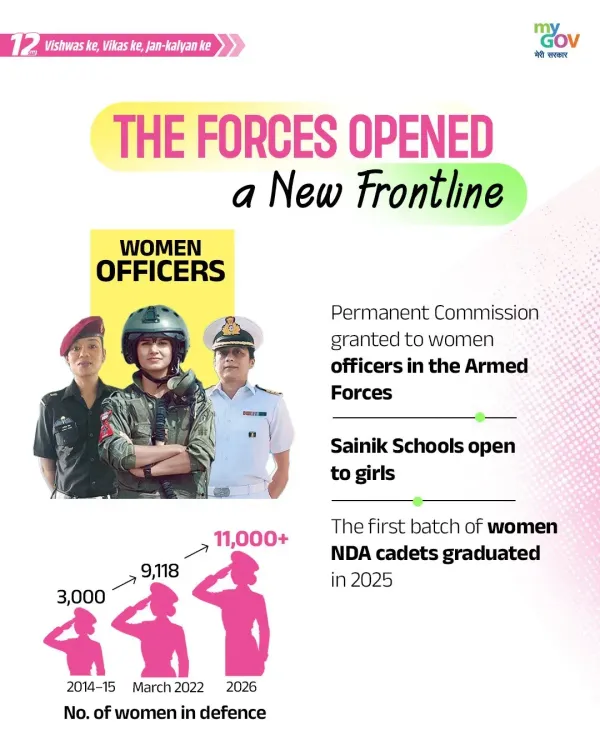
Union Minister Kiren Rijiju says women officers in India's Armed Forces have surged from roughly 3,000 in 2014-15 to over 11,000 in 2026, crediting Permanent Commission grants, Sainik School access for girls, and the graduation of the first women NDA cadets as defining milestones.
Key Takeaways
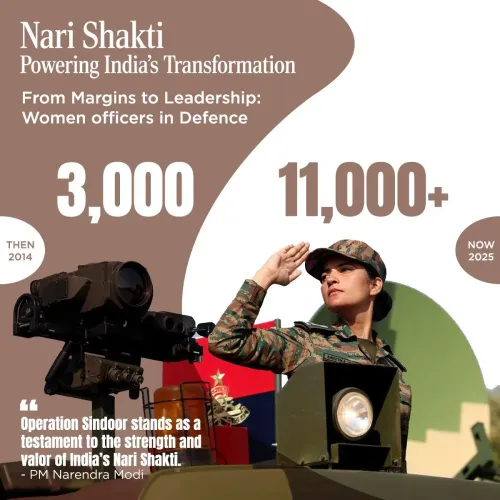
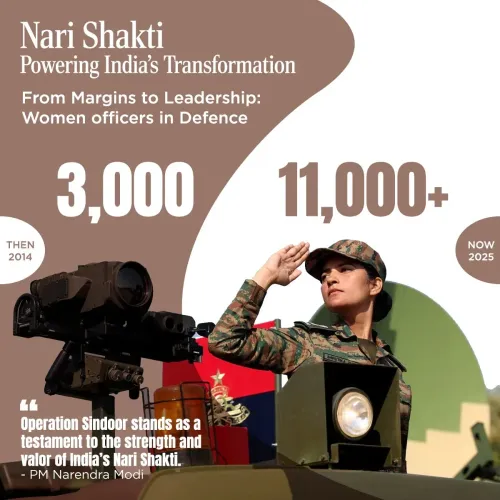
Women officers in the Indian Armed Forces have grown from around 3,000 in 2014-15 to over 11,000 in 2026 , according to Rijiju's post.
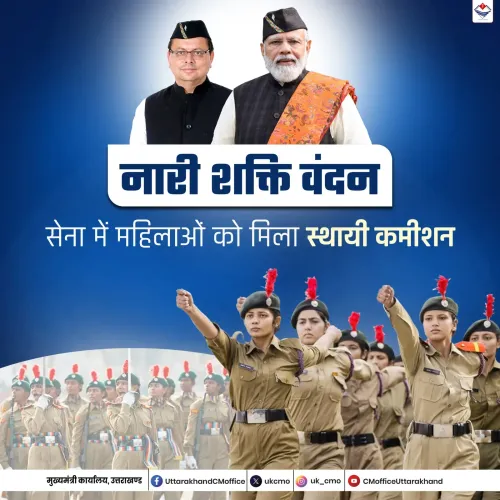
The Supreme Court's February 2020 judgment directed the government to grant Permanent Commission to women Short Service Commission officers in the Army.
A 2021 Cabinet decision opened the National Defence Academy to women candidates following a Supreme Court direction.
Sainik Schools began admitting girls from 2021 onward, widening the pipeline of future women officers.
The graduation of the first women NDA cadets is cited as a generational milestone in officer-training history.
Rijiju's post is part of the government's #12YearsOfNariShakti messaging marking a decade-plus of gender-inclusion initiatives since 2014.
Union Parliamentary Affairs Minister Kiren Rijiju on Friday, June 12, 2026, highlighted a near-fourfold rise in the number of women officers in the Indian Armed Forces, citing the figure as evidence of deepening gender inclusion under the #NariShakti framework championed by the government since 2014.
Context
Rijiju's post, shared under the hashtag #12YearsOfNariShakti, states that the count of women officers has risen from around 3,000 in 2014-15 to over 11,000 in 2026 — a growth of more than three and a half times in roughly a decade. He listed three institutional milestones alongside the numbers: the grant of Permanent Commission to women officers, the opening of Sainik Schools to girls, and the graduation of the first women cadets from the National Defence Academy (NDA).
The post frames these developments not merely as social gains but as a direct contribution to a 'stronger Armed Force' — linking gender inclusion to operational capability and national security.
Policy Backdrop
The policy journey behind these milestones spans several years. A Supreme Court judgment in February 2020 directed the government to grant Permanent Commission to women Short Service Commission officers in the Army, ending a long-standing restriction that had barred them from command and pension-eligible tenures. The ruling was a watershed moment, compelling the military to open career pathways that had previously been closed.
In 2021, a Cabinet decision cleared the way for women to appear in the NDA entrance examination, following another Supreme Court direction. The first batch of women cadets subsequently joined the tri-service academy, with their graduation marking a generational shift in the officer-training pipeline. Separately, the progressive opening of Sainik Schools — government-run military preparatory institutions — to girl students was notified from 2021 onward, widening the feeder base for future women officers.
Together, these steps represent a layered policy architecture: court-mandated changes reinforced by executive decisions and institutional outreach at the school level.
Stakeholders and Impact
The most immediate beneficiaries are women defence aspirants across India, for whom the combination of Sainik School access, NDA eligibility, and Permanent Commission creates a continuous pathway from preparatory schooling to a full career in uniform. Before these changes, women officers were largely confined to specific non-combat streams and faced a mandatory exit after a fixed service period without the pension and rank benefits available to their male counterparts.
For the Indian Armed Forces as an institution, the expansion of the eligible talent pool carries operational significance. A larger and more diverse officer cadre broadens the range of skills and perspectives available to military planners, a point Rijiju's framing — 'a stronger Armed Force' — explicitly invokes. The messaging also fits a broader governmental pattern of presenting defence modernisation and social reform as complementary rather than competing priorities.
What's Next
Attention will now turn to whether the next phase of inclusion extends to combat arms and higher command appointments — areas where women officers still face eligibility restrictions in most branches. Upcoming NDA passing-out parades featuring women graduates will serve as visible markers of the policy's progress. Any further notifications expanding women's eligibility for frontline roles would represent the most significant institutional step since the Permanent Commission order, and would test how far the armed forces are willing to move beyond the milestones already achieved.
Point of View
000 to 11,000) rather than a policy name, it grounds a political theme in a verifiable metric, lending the claim a credibility that purely rhetorical framing would lack. The timing under the #12YearsOfNariShakti hashtag signals a coordinated anniversary communication push across the party and government. What the post leaves unaddressed — eligibility for combat arms and higher command — is precisely where the next political and judicial contest over women's inclusion in the military is likely to play out.
NationPress
25 Sept 2026
Frequently Asked Questions
How many women officers are there in the Indian Armed Forces in 2026?
According to Union Minister Kiren Rijiju, there are over 11,000 women officers in the Indian Armed Forces in 2026, up from around 3,000 in 2014-15.
What is Permanent Commission for women officers in the Indian Army?
Permanent Commission grants women officers the same long-term career status, command eligibility, and pension benefits as male officers. It was directed by the Supreme Court in February 2020 after women Short Service Commission officers challenged their mandatory exit after a fixed tenure.
When did girls get admission to Sainik Schools in India?
The government began notifying the opening of Sainik Schools to girl students from 2021 onward as part of a broader gender-inclusion drive in defence preparatory education.
When did women first join the National Defence Academy?
Women became eligible to appear for the NDA entrance examination following a 2021 Cabinet decision backed by a Supreme Court direction. The first batch of women cadets subsequently joined the tri-service academy, with their graduation marking a historic milestone.
What is Nari Shakti in the context of Indian defence policy?
Nari Shakti is a campaign theme used by the government since 2014 to highlight women's empowerment across sectors. In defence, it encompasses policy changes such as Permanent Commission, NDA admission, and Sainik School access for women and girls.