PM Modi marks 12 Years of Nari Shakti, cites ₹17 lakh crore in women's loans
Synopsis
Twelve years in, the NDA government's women-empowerment record now runs to ₹17 lakh crore in Mudra loans, 33 crore Jan Dhan accounts held by women, and a sex ratio at birth that has climbed from 918 to 929. Modi's '12 Years of Nari Shakti' framing signals a pivot from welfare optics to an economic-productivity argument — with drone skilling and SHG income targets as the new headline metrics.
Key Takeaways
PM Modi on 12 June marked 12 Years of Nari Shakti under the NDA government, citing progress across financial inclusion, education, healthcare, and emerging technology sectors.
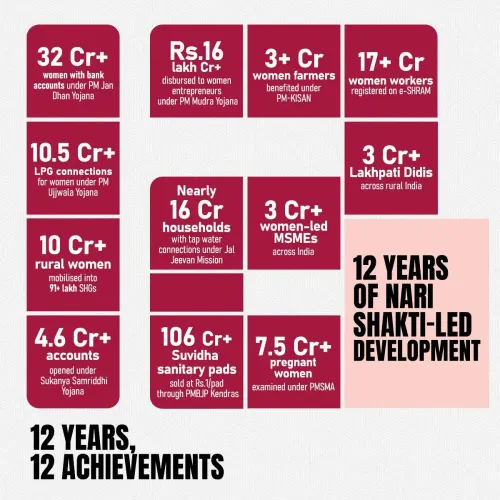
The Pradhan Mantri Mudra Yojana has disbursed more than ₹40 lakh crore in collateral-free loans since 2015; nearly ₹17 lakh crore went to women beneficiaries .
Of more than 58 crore Jan Dhan accounts opened, around 33 crore — approximately 57% — belong to women.
The national sex ratio at birth improved from 918 (2014-15) to 929 (2024-25) under the Beti Bachao Beti Padhao campaign.
The Lakhpati Didi programme targets annual incomes of at least ₹1 lakh for women in Self Help Groups.
Modi highlighted women's rising participation in drone technology , space , and science as new frontiers of empowerment.
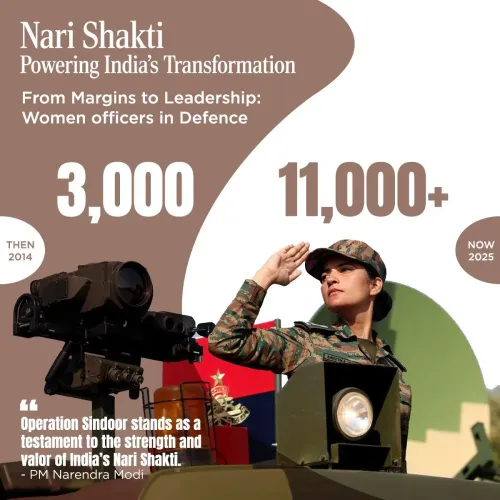
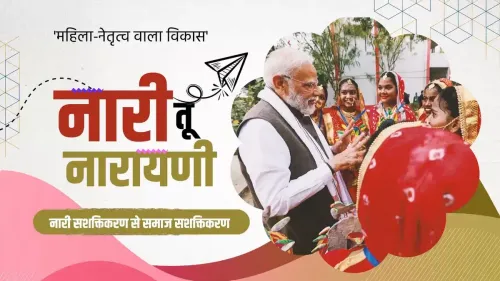
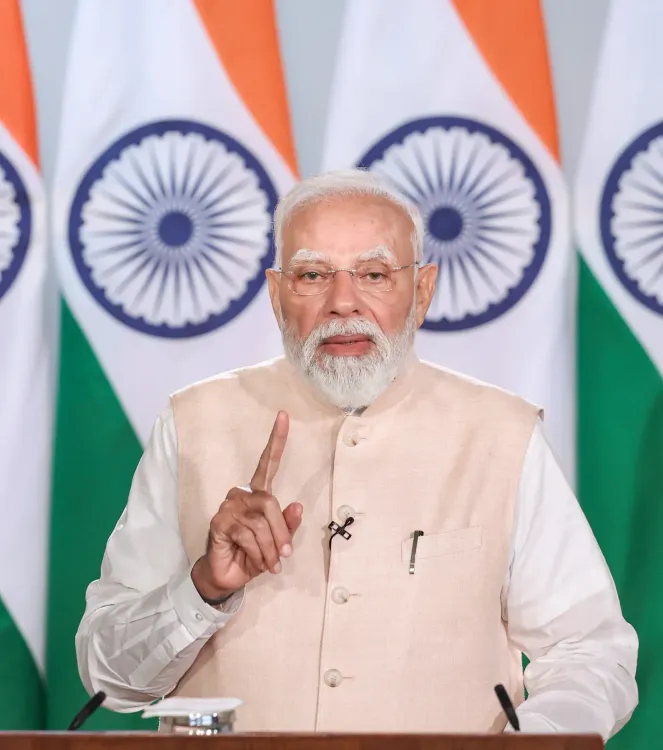
Prime Minister Narendra Modi on Friday, 12 June commemorated what he called '12 Years of Nari Shakti' under the National Democratic Alliance (NDA) government, highlighting women's growing participation across sectors from financial inclusion and healthcare to space technology and governance. The occasion served as a stocktaking of a decade-plus of women-focused policy, with several flagship schemes now reporting significant scale.
Key Developments
Using the hashtag #12YearsOfNariShakti, Modi said the government's approach has been anchored in three principles: dignity, opportunity, and empowerment. 'The efforts of the NDA Government are rooted in dignity, opportunity and empowerment. They have helped create an environment where women can realise their full potential and contribute even more strongly to nation-building,' he said in a post on social media.
He separately noted satisfaction at women's increasing footprint in emerging sectors. 'I am particularly happy to see India's Nari Shakti make a mark in sectors like science, space and innovation. Their growing participation in emerging fields such as drone technology is opening new avenues of opportunity,' Modi said.
Mudra Yojana and Financial Inclusion Numbers
Among the most cited figures was the Pradhan Mantri Mudra Yojana (PMMY), launched in 2015, which has disbursed collateral-free loans totalling more than ₹40 lakh crore since inception. Of this, nearly ₹17 lakh crore has gone to women beneficiaries, according to government data as of March 2025.
On the banking front, of the more than 58 crore accounts opened under the Pradhan Mantri Jan Dhan Yojana (PMJDY), approximately 33 crore — or roughly 57% — belong to women. Complementary schemes such as Sukanya Samriddhi Yojana and the Womaniya initiative have further broadened women's access to savings and entrepreneurial platforms.
Social Indicators: Sex Ratio and Livelihoods
The government also pointed to movement in social indicators. The national sex ratio at birth, a key metric tracked under the Beti Bachao Beti Padhao campaign, has improved from 918 in 2014-15 to 929 in 2024-25. The Lakhpati Didi programme, which targets sustainable annual incomes of at least ₹1 lakh for women in Self Help Groups (SHGs), was also highlighted as a vehicle for grassroots financial independence.
Modi described women as 'the cornerstone of nation-building', adding that 'our mothers, sisters, and daughters are enhancing the glory of Maa Bharati across every sector through their remarkable talent and skills.'
Broader Context
The government's emphasis on women-led development has intensified since the passage of the Women's Reservation Bill in 2023, which reserves 33% of seats in Parliament and state assemblies for women, pending a delimitation exercise. The 12-year framing positions these welfare and empowerment metrics as a cumulative record ahead of electoral cycles. Critics have previously noted that while scheme coverage has expanded substantially, translating access to outcomes — particularly in rural labour force participation, where women's rates remain among the lowest in comparable economies — remains a structural challenge.
With SHG networks expanding and drone-sector skilling initiatives gaining ground, the government appears to be pivoting its women-empowerment narrative toward economic productivity, not just welfare delivery.
Point of View
But coverage and outcomes are different things: India's female labour force participation rate remains stubbornly low by global and regional standards, a gap that scheme enrolment figures do not address. The pivot toward drone skilling and SHG income targets suggests the government is aware that welfare delivery alone no longer suffices as a political argument, and is attempting to reframe women's empowerment as an economic productivity story. Whether that reframing holds up depends on whether Lakhpati Didi income targets translate into verifiable, sustained earnings — not just enrolment counts.
NationPress
20 Sept 2026
Frequently Asked Questions
What is '12 Years of Nari Shakti' that PM Modi referred to?
'12 Years of Nari Shakti' is a framing used by Prime Minister Narendra Modi on 12 June to mark over a decade of women-focused policy under the NDA government. It encompasses flagship schemes across financial inclusion, healthcare, education, sanitation, housing, sports, and emerging technology sectors.
How much has the Pradhan Mantri Mudra Yojana disbursed to women?
The Pradhan Mantri Mudra Yojana has disbursed collateral-free loans totalling more than ₹40 lakh crore since its launch in 2015. Of this, nearly ₹17 lakh crore has gone specifically to women beneficiaries, according to government data as of March 2025.
What is the Lakhpati Didi programme?
Lakhpati Didi is a government initiative aimed at helping women — particularly those in Self Help Groups — achieve sustainable annual incomes of at least ₹1 lakh. It is designed to move women from subsistence-level activity toward financially independent livelihoods.
Has the sex ratio at birth improved under Beti Bachao Beti Padhao?
According to government data, the national sex ratio at birth has improved from 918 in 2014-15 to 929 in 2024-25, a gain attributed in part to the Beti Bachao Beti Padhao campaign. The campaign focuses on preventing gender-biased sex selection and promoting girls' education.
How many Jan Dhan accounts are held by women?
Of more than 58 crore accounts opened under the Pradhan Mantri Jan Dhan Yojana, approximately 33 crore — roughly 57% — belong to women. The scheme has been a primary vehicle for bringing unbanked women into the formal financial system.