PM Modi Highlights 12 Years of NDA's Women-Led Development Push
Synopsis
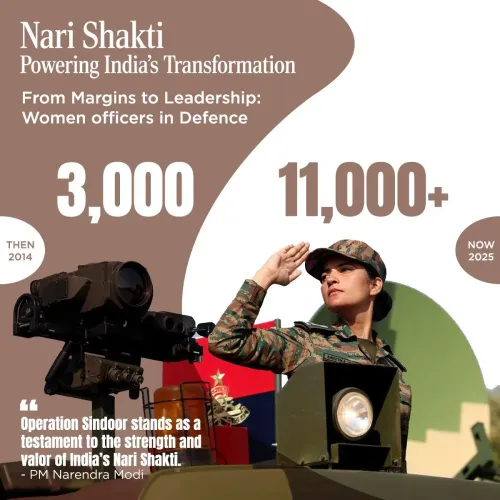
Prime Minister Narendra Modi on June 12, 2026, highlighted 12 years of NDA governance focused on women-led development, citing progress across financial inclusion, entrepreneurship, education, healthcare, sanitation, housing, sports, science, and governance as evidence of structural change.
Key Takeaways
Prime Minister Narendra Modi posted on June 12, 2026 , asserting that the NDA government has advanced women-led development over 12 years in power.
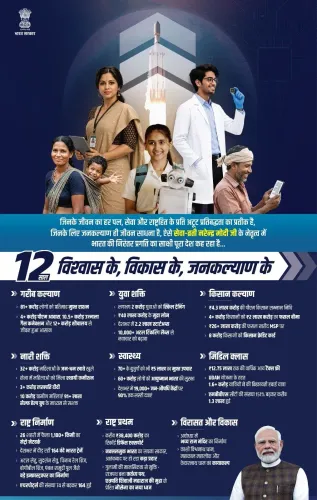
Sectors cited include financial inclusion, entrepreneurship, education, healthcare, sanitation, housing, sports, science, and governance.
Key schemes underpinning the claim include PM Jan Dhan Yojana , Ujjwala Yojana , Mudra Yojana , PM Awas Yojana , and Beti Bachao Beti Padhao .
Self-Help Groups (SHGs) under DAY-NRLM represent one of the largest grassroots networks linking women to government financial support.
The Women's Reservation Bill (passed 2023 ) remains pending implementation, keeping legislative representation a live political issue.
Women voters are a key demographic ahead of the next general election due by 2029 .
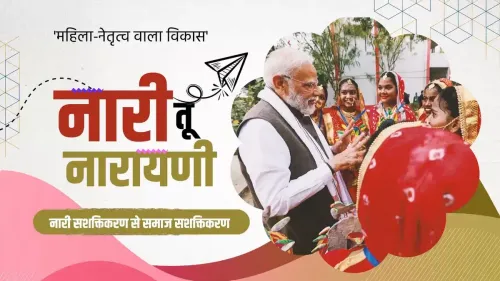
Prime Minister Narendra Modi on Friday, June 12, 2026, took to X to highlight what his government describes as a sustained, multi-sector push for women-led development over the past 12 years of National Democratic Alliance (NDA) rule. The post underscores progress spanning financial inclusion, entrepreneurship, education, healthcare, sanitation, housing, sports, science, and governance.
Context
In his post, Prime Minister Modi wrote: 'Over the last 12 years, the NDA Government has worked to further women-led development. And, this is visible across sectors. From financial inclusion and entrepreneurship to education, healthcare, sanitation, housing, sports, science and governance, women are playing a' — the post, as shared, appears to have been truncated mid-sentence. The sentiment, however, is consistent with a broader government narrative that has positioned women's empowerment as a central pillar of NDA governance since 2014.
The 12-year reference marks the period from the NDA's return to power in May 2014 through the present. Over this span, the government has repeatedly cited schemes such as Beti Bachao Beti Padhao, PM Jan Dhan Yojana, PM Awas Yojana, Ujjwala Yojana, and Sukanya Samriddhi Yojana as evidence of structural investment in women's welfare and agency.
Policy Backdrop
The Pradhan Mantri Jan Dhan Yojana, launched in 2014, brought hundreds of millions of unbanked citizens — a significant proportion of them women — into the formal financial system. Complementing this, PM SVANidhi and Mudra Yojana extended micro-credit to women entrepreneurs, particularly in the informal sector.
On sanitation and housing, the Swachh Bharat Mission and PM Awas Yojana have both prioritised women as primary beneficiaries and registered owners. The government has also pointed to rising female enrolment in higher education, growing representation of women in panchayati raj institutions following the 33 per cent reservation for women in local bodies, and India's improving performance in international sports as markers of progress.
In science and governance, the government has highlighted women's participation in flagship missions including Chandrayaan and Gaganyaan as symbolic of expanding professional opportunity.
Stakeholders and Impact
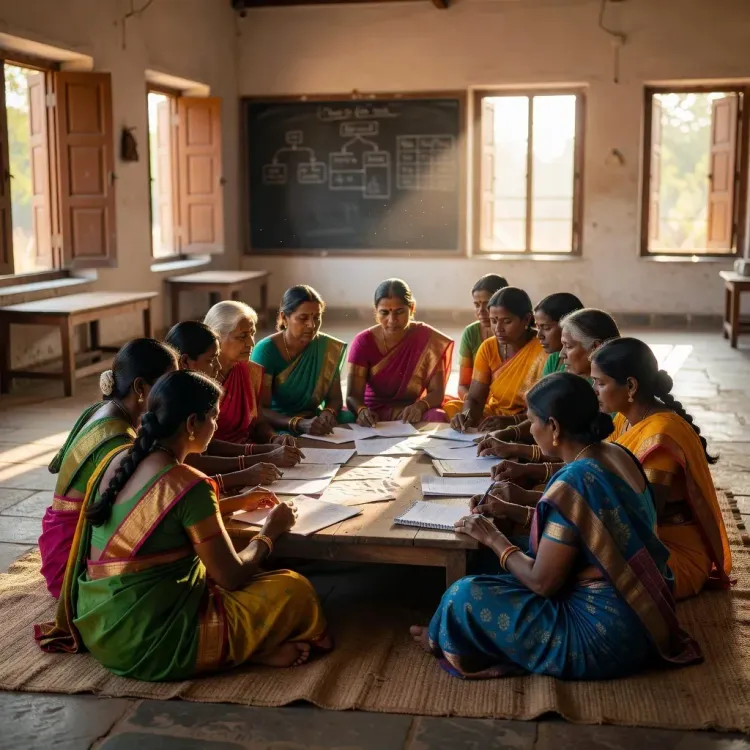
The constituencies most directly addressed by the post include rural women beneficiaries of welfare schemes, urban women entrepreneurs, and professional women in public institutions. Self-Help Groups (SHGs), which now number in the crores and are linked to the DAY-NRLM programme, represent one of the most tangible grassroots networks through which the government has channelled financial and social capital to women.
Opposition parties have periodically contested the government's framing, arguing that aggregate welfare data must be weighed against indicators such as female labour force participation rates and representation in senior legislative positions — areas where India continues to rank poorly in global indices. The government, in turn, points to rising women voter turnout and increased SHG membership as counter-indicators of growing agency.
What's Next
The post arrives as the NDA government approaches the midpoint of its third consecutive term, with the next general election due by 2029. Women voters have been identified as a decisive demographic in recent state elections, and the government is expected to continue amplifying its women-led development record in political communications. Legislative proposals such as the Women's Reservation Bill — passed in 2023 but pending delimitation before implementation — remain a live policy and political issue that will shape this narrative in the months ahead.
Point of View
The communication strategy signals an attempt to claim broad-spectrum ownership of women's progress rather than credit for any single scheme. The timing is notable: with the Women's Reservation Bill's implementation still contingent on delimitation, the government appears to be reinforcing its empowerment credentials on the ground while the legislative milestone remains deferred. Analysts will watch whether this messaging is followed by concrete policy announcements or remains primarily a retrospective political statement.
NationPress
22 Sept 2026
Frequently Asked Questions
What has the NDA government done for women's empowerment in 12 years?
The NDA government has cited schemes such as PM Jan Dhan Yojana for financial inclusion, Ujjwala Yojana for clean cooking fuel, PM Awas Yojana for housing, Mudra Yojana for entrepreneurship credit, and Beti Bachao Beti Padhao for girl-child welfare as core pillars of its women-led development agenda since 2014.
What is the Women's Reservation Bill and has it been implemented?
The Women's Reservation Bill, passed by Parliament in 2023, reserves 33 per cent of seats in the Lok Sabha and state assemblies for women. However, its implementation is linked to the next delimitation exercise, meaning it has not yet come into effect.
What is women-led development as per PM Modi's government?
The government defines women-led development as a model where women are not merely beneficiaries of welfare programmes but active agents driving economic, social, and political outcomes — reflected in rising SHG membership, women-owned homes, and female participation in science and governance.
How many Self-Help Groups are active in India under government programmes?
India's DAY-NRLM programme has mobilised tens of millions of women through Self-Help Groups, making it one of the largest state-backed women's financial networks in the world, though precise current figures should be verified against official government releases.
Why is women's empowerment politically significant ahead of 2029 elections?
Women voters have consistently turned out in high numbers in recent state and national elections, and their support has been credited as a decisive factor in several NDA victories, making welfare and empowerment schemes targeting women a central plank of the ruling coalition's electoral strategy.