Gadkari backs EV battery swapping at New Delhi awards event

Synopsis
Union Minister Nitin Gadkari addressed the EV Ecosystem Awards in New Delhi and witnessed Swiggy Instamart's EV Battery Swapping Network launch, reinforcing the government's support for swapping as a key pillar of India's electric mobility push for urban delivery fleets.
Key Takeaways
Nitin Gadkari addressed the EV Ecosystem Awards and witnessed the launch of Swiggy Instamart's EV Battery Swapping Network in New Delhi on 4 November 2026 .
Swiggy Instamart , the quick-commerce arm of Swiggy, deployed a battery swapping network to cut downtime for its two-wheeler delivery fleet.
Battery swapping allows riders to exchange a depleted battery in minutes, a critical efficiency gain for high-frequency urban delivery operations.
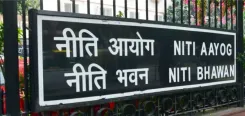
India's battery swapping policy framework traces back to NITI Aayog's 2022 Draft Battery Swapping Policy , designed to standardise swapping for commercial fleets.
The move aligns with India's broader FAME-II incentive architecture and the country's 2030 emission reduction targets .
The EV Ecosystem Awards provide an industry benchmarking moment as private players scale swapping infrastructure across Indian cities.
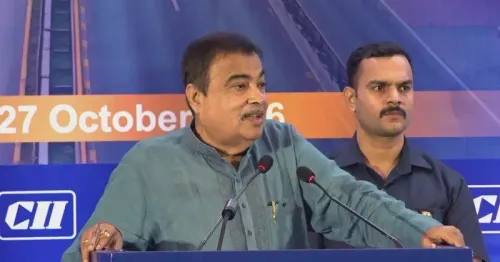
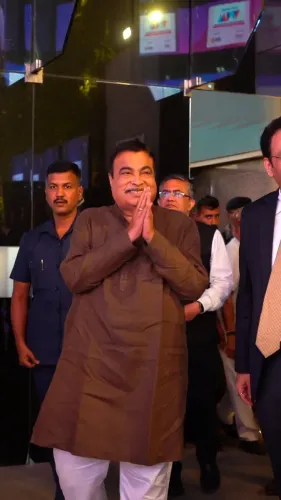
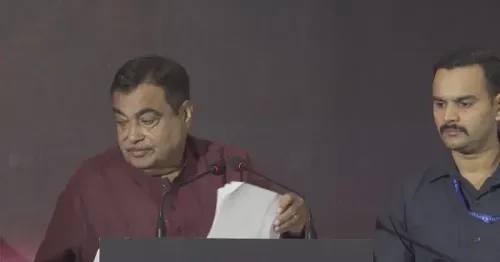
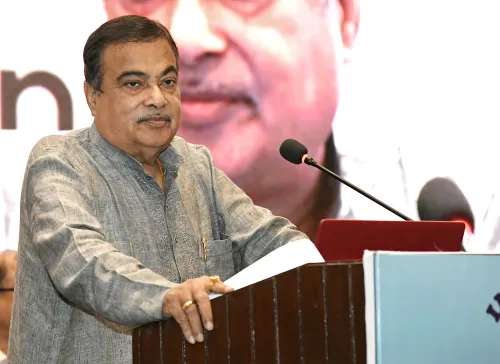
India's push to rewire urban delivery on electric wheels got a high-profile moment on Wednesday, 4 November 2026, when Union Road Transport and Highways Minister Nitin Gadkari addressed the EV Ecosystem Awards in New Delhi and witnessed the launch of Swiggy Instamart's EV Battery Swapping Network — a signal that quick-commerce fleets are now a live front in India's electric mobility transition.
What Swiggy Instamart's swapping network means for delivery fleets
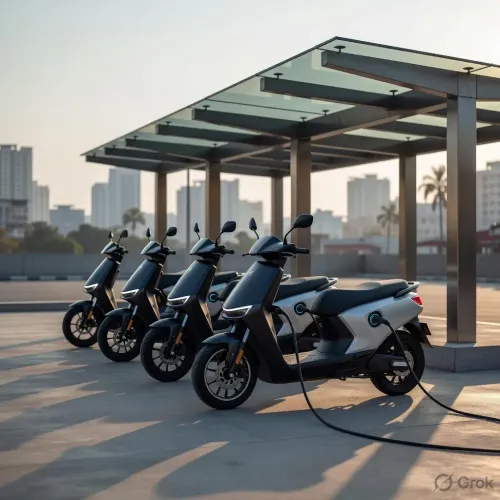
Swiggy Instamart, the rapid grocery delivery arm of Swiggy, has rolled out an EV battery swapping network for its fleet, moving beyond the plug-in charging model that has dominated early EV infrastructure investment. Battery swapping allows riders to exchange a depleted battery for a fully charged one in minutes, eliminating long downtime — a critical advantage for two-wheeler fleets that clock multiple delivery runs daily. For a quick-commerce operation where speed is the product, that efficiency gap between swapping and conventional charging is not trivial.
Gadkari's presence at the launch underscores the Ministry of Road Transport and Highways' long-standing view that swapping is a necessary complement to plug-in charging, particularly for high-utilisation urban commercial vehicles. The ministry has consistently framed battery swapping as the pragmatic path for delivery and logistics fleets where every idle minute costs money.
The policy scaffolding behind the moment
India's electric mobility architecture has been built in deliberate layers. The National Electric Mobility Mission Plan (NEMMP) 2020, launched as far back as 2013, set the directional ambition. The FAME-II scheme, notified in 2019, followed with direct incentives for EV purchases and charging infrastructure. Then, in 2022, NITI Aayog released draft Battery Swapping Policy guidelines specifically aimed at standardising swapping technology for commercial fleets — a framework designed precisely for operators like Swiggy Instamart.
That policy lineage matters: each layer addressed a gap the previous one left open. Swapping guidelines recognised that plug-in infrastructure alone would not serve the two- and three-wheeler commercial segment at the pace India's 2030 emission targets demand. Private players are now filling that gap with real networks, and an awards event that surfaces the best of the ecosystem gives the sector a moment to benchmark progress publicly.
EV Ecosystem Awards and the industry signal they send
The EV Ecosystem Awards recognise advances across EV technology, manufacturing, and infrastructure — a deliberately wide lens. Their significance lies less in the trophies and more in the congregation: when a Union Minister shares a stage with logistics innovators, it signals continued political and regulatory attention on the sector. For investors and state governments watching whether the Centre will maintain its EV policy momentum, that visibility is itself a data point.
India's oil import bill and urban air quality give successive governments a durable reason to keep electric mobility high on the agenda. The question now is whether city-level rollout of swapping stations accelerates, and whether upcoming revisions to central incentive schemes formally extend support to swapping infrastructure at scale.
When a grocery-delivery app becomes an EV infrastructure player, the transition has moved from policy paper to pavement. That is exactly the kind of private-sector momentum Gadkari has been calling for — and today, in New Delhi, he showed up to say so in person.
Point of View
The demand signal for standardised swapping infrastructure could finally reach the scale that makes a formal revision of central incentive schemes politically irresistible. The real policy test will come when state governments decide whether to include swapping station targets in their own EV policies.
NationPress
4 Nov 2026
Frequently Asked Questions
What is EV battery swapping and how does it work?
EV battery swapping lets a rider pull out a depleted battery and slot in a fully charged one at a swapping station in minutes, avoiding the longer wait of plug-in charging. It is especially suited to two- and three-wheelers used in urban delivery fleets.
Why did Nitin Gadkari attend the Swiggy Instamart EV event?
As Union Minister of Road Transport and Highways, Gadkari addressed the EV Ecosystem Awards and witnessed the launch of Swiggy Instamart's battery swapping network in New Delhi on 4 November 2026, signalling continued government support for private-led EV infrastructure.
What is India's policy framework for battery swapping?
NITI Aayog released draft Battery Swapping Policy guidelines in 2022 to standardise swapping technology for commercial fleets, building on the FAME-II scheme (2019) and the original National Electric Mobility Mission Plan (2013).
What is Swiggy Instamart?
Swiggy Instamart is the quick-commerce arm of Swiggy, focused on rapid grocery and essentials delivery. It is now expanding into EV battery swapping infrastructure to electrify its delivery fleet.
What are the EV Ecosystem Awards?
The EV Ecosystem Awards recognise advances in electric vehicle technology, manufacturing, and infrastructure in India. They serve as an industry benchmarking event that brings together policymakers and private sector innovators.