CM Gujarat marks 12 years of Modi govt's women welfare schemes
Synopsis
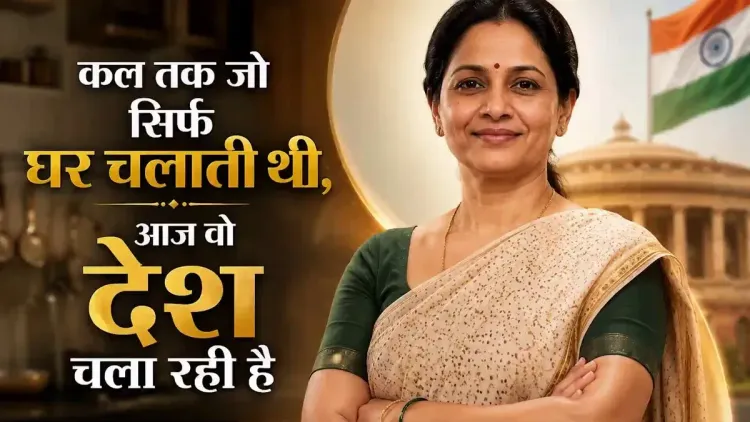
The Chief Minister's Office of Gujarat marked 12 years of PM Modi-led women empowerment schemes on 12 June 2026, highlighting initiatives from Beti Bachao Beti Padhao to Ujjwala Yojana as building blocks of a Viksit-Aatmanirbhar Bharat.
Key Takeaways
The Gujarat CMO posted on 12 June 2026 marking 12 years of central government women-welfare initiatives under PM Narendra Modi .
The post invokes the #12YearsOfNariShakti hashtag, framing women's empowerment as integral to Viksit-Aatmanirbhar Bharat .
Beti Bachao Beti Padhao (2015) and Pradhan Mantri Ujjwala Yojana (2016) are among the flagship schemes in the policy lineage being celebrated.
The Stand-Up India scheme (2016) and Mahila Shakti Kendra (2017–18) extended support to women entrepreneurs and rural women seeking skill development.
No new state-specific scheme was announced; the post amplifies central government messaging consistent with BJP-governed state communication patterns.
Forthcoming Periodic Labour Force Survey data and the next Union Budget will be key tests of whether the policy gains are quantifiably sustained.
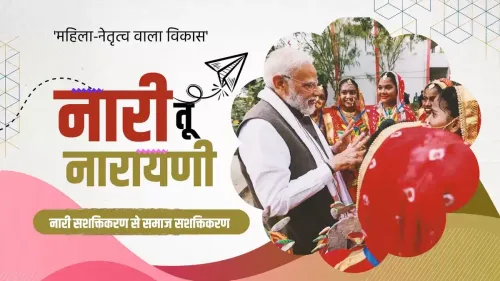
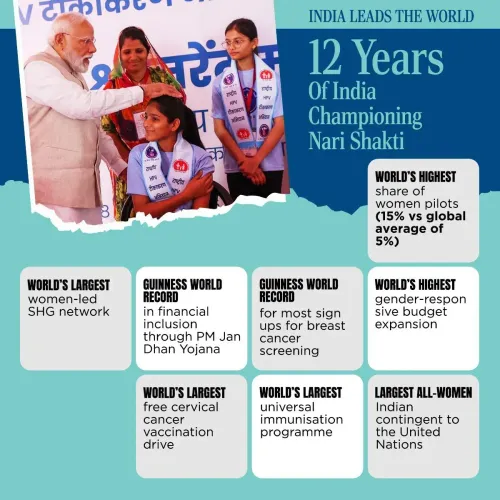
The Chief Minister's Office of Gujarat on Friday, 12 June 2026 highlighted twelve years of central government initiatives aimed at promoting women's empowerment and economic self-reliance under the leadership of Prime Minister Narendra Modi, marking the occasion with the hashtag #12YearsOfNariShakti.
Context
The post, shared in Gujarati, states that over the last 12 years, numerous schemes and initiatives have promoted women's capability and economic empowerment, making Narishakti — women's power — a participant in the country's development and 'a force for building a Viksit-Aatmanirbhar Bharat' (Developed, Self-Reliant India). The message is accompanied by a video and uses the official hashtag to frame the anniversary as a milestone in gender-inclusive governance.
Policy Backdrop
The central government has introduced a series of women-focused programmes since 2014. The Beti Bachao Beti Padhao scheme, launched in January 2015, was designed to address a declining child sex ratio and promote girls' survival and education across priority districts. In May 2016, the Pradhan Mantri Ujjwala Yojana extended free LPG connections to women in below-poverty-line households, reducing dependence on solid fuels.
The Stand-Up India scheme, rolled out in April 2016, facilitated composite loans for women entrepreneurs entering greenfield enterprises. The Mahila Shakti Kendra initiative, announced in the 2017–18 Union Budget, created rural support structures covering skill development and legal aid. Together, these programmes form the policy lineage that the Gujarat CMO's post references under the #12YearsOfNariShakti umbrella.
The broader Aatmanirbhar Bharat framework, launched in 2020, explicitly frames women's entrepreneurship and workforce participation as central to India's self-reliance goals — a linkage the post reiterates by invoking 'Viksit-Aatmanirbhar Bharat.'
Stakeholders and Impact
The primary beneficiaries cited across these schemes are rural women, women entrepreneurs, and female-headed households — particularly those in the below-poverty-line category. Financial inclusion measures have sought to bring women into the formal banking system, while energy access schemes have targeted reduction of domestic drudgery in households without clean cooking fuel.
Gujarat's amplification of the central messaging is consistent with a pattern seen across BJP-governed states, where official handles echo national welfare milestones. The post does not announce any new state-specific scheme or allocation; it positions the state government as aligned with the Centre's gender-development narrative.
What's Next
Forthcoming Periodic Labour Force Survey data will be a key indicator of whether women's economic participation has measurably shifted over the twelve-year window the post references. The next Union Budget is expected to signal whether allocations for women-centric programmes will be maintained, expanded, or restructured under the Viksit Bharat framework. If female labour force participation figures show sustained improvement, the government is likely to deepen its messaging around women-led development as a pillar of its third-term agenda.
Point of View
Reflecting the BJP's established practice of marking governance milestones through state-level amplification of central narratives. By anchoring the message in 'Viksit-Aatmanirbhar Bharat,' the post ties women's welfare to the ruling party's overarching third-term development vocabulary, reinforcing ideological continuity. The absence of any new state-specific scheme or data point suggests the primary function is political branding ahead of a potential budget cycle. Whether the twelve-year record holds up to scrutiny will depend significantly on upcoming labour force participation data that independent surveys are positioned to provide.
NationPress
23 Sept 2026
Frequently Asked Questions
What is #12YearsOfNariShakti about?
#12YearsOfNariShakti is a hashtag used by the Gujarat CMO and BJP-aligned accounts on 12 June 2026 to mark twelve years of PM Narendra Modi's women-welfare schemes, including Beti Bachao Beti Padhao, Ujjwala Yojana, and Stand-Up India.
What is Pradhan Mantri Ujjwala Yojana?
Pradhan Mantri Ujjwala Yojana, launched in May 2016, provides free LPG cooking gas connections to women in below-poverty-line households, aiming to reduce indoor air pollution and domestic drudgery.
What is Beti Bachao Beti Padhao scheme?
Beti Bachao Beti Padhao is a central scheme launched in January 2015 to improve the child sex ratio and promote girls' survival, protection, and education across priority districts in India.
What does Aatmanirbhar Bharat mean for women?
Under the Aatmanirbhar Bharat framework launched in 2020, women's entrepreneurship and workforce participation are positioned as central to India's self-reliance goals, with schemes like Stand-Up India providing loans for women-led greenfield enterprises.
Did Gujarat announce any new women welfare scheme on 12 June 2026?
No new Gujarat-specific women welfare scheme was announced; the Chief Minister's Office post amplified existing central government programmes and the #12YearsOfNariShakti milestone without introducing fresh state-level measures.